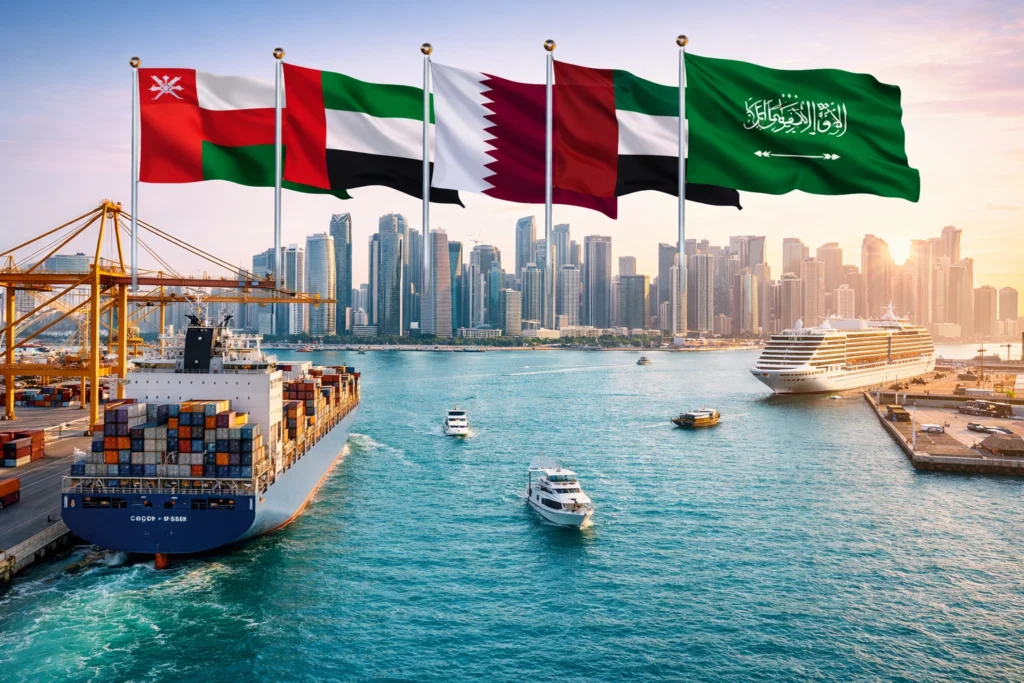
Qatar has reopened its sea routes for all vessel categories from April 12, 2026, marking a significant step for maritime movement across the Middle East. The restart supports cargo shipping, private marine travel, fishing activity and future cruise operations while reinforcing regional connectivity with neighboring markets such as the UAE, Saudi Arabia and Oman. For travelers and businesses alike, the decision signals renewed confidence in Gulf transport corridors and coastal tourism growth.
A Strategic Move for Regional Stability
The reopening allows maritime navigation daily between 6:00 AM and 6:00 PM under structured operating protocols. Although the hours remain regulated, the restoration of routes brings immediate value to logistics operators, port stakeholders and tourism planners.
Qatar occupies a strategic position between major trade flows linking Asia, Europe and Africa. Because maritime routes remain essential to global commerce, uninterrupted access through Gulf waters carries significance far beyond the region.
The move also aligns with wider infrastructure and transport investments across the Gulf, where governments continue to strengthen resilience and diversify economies through trade and tourism.
What It Means for Travelers
For visitors, renewed maritime movement can improve access to leisure boating, yacht travel and future cruise itineraries that include Doha and surrounding destinations. Multi-country Gulf journeys may become easier as operators rebuild confidence in regional scheduling.
Travelers increasingly seek combined itineraries that allow them to experience several countries in one trip. The Gulf is well placed for that trend because flight times are short and maritime distances between ports remain manageable.
As sea access improves, tourists may find more options that blend city breaks, beach escapes and luxury marine experiences across Qatar, the UAE and Oman.
Cruise Tourism Could Benefit Next
Qatar has steadily developed its profile as a cruise destination, with Doha positioned as a gateway for winter sailings in the region. The return of normal maritime movement may help cruise lines and itinerary planners restore or expand schedules in future seasons.
Cruise tourism often delivers high-value visitors who spend on excursions, retail, dining and hotel stays before or after voyages. Therefore, stronger port confidence can support a wider tourism ecosystem beyond the terminal itself.
For Doha, that means another opportunity to attract international travelers who want to combine modern city attractions with coastal experiences.
Fishing and Coastal Communities Gain Support
One of the most immediate benefits of the policy update is full-day access for licensed fishing vessels. Unlike other categories operating within set hours, fishing fleets can move without the same daytime limits.
This change can strengthen seafood supply chains while supporting local livelihoods tied to the sea. It may also benefit tourism experiences such as recreational fishing trips, coastal dining and marine heritage activities.
Many destinations now recognize that small-scale maritime industries add authenticity to visitor experiences while supporting community-based tourism.
Safety Remains Central to the Restart
Authorities have paired the reopening with clear safety expectations. Vessel operators must ensure communication systems, navigation tools and onboard safety equipment remain fully functional before departure.
That focus matters for both commerce and tourism. Travelers want reassurance when booking marine experiences, while shipping operators depend on predictable standards to manage schedules efficiently.
As visitor expectations rise globally, destinations that combine accessibility with strong safety governance often gain a competitive advantage.
Wider Economic Ripple Effects
The impact of reopened sea routes extends beyond ports. Hospitality providers, retailers, transport companies and excursion businesses can all benefit from stronger maritime activity.
Cargo growth can improve supply chains. Leisure travel can increase demand for hotels and restaurants. Cruise calls can drive spending in city centers and cultural attractions.
For Qatar, maritime accessibility supports broader economic diversification goals by linking tourism growth with trade development rather than relying on one sector alone.
Stronger Multi-Destination Gulf Travel
The Gulf has increasingly promoted regional travel rather than isolated single-country visits. Reopened routes support that strategy by making it easier for operators to design journeys that connect Doha with destinations in the UAE, Saudi Arabia and Oman.
This model appeals to international travelers who want to explore different cultures, cuisines and coastlines within one holiday. It also encourages repeat visitation, as travelers who sample one Gulf destination often return to discover others.
Improved connectivity can therefore raise the profile of the entire region.
Why This Matters in 2026
Global travelers now prioritize reliability, convenience and meaningful experiences. Maritime access contributes to all three, especially in regions where coastal tourism and cruise travel play growing roles.
Qatar’s decision to restore sea routes shows how transport policy can directly influence tourism confidence and commercial momentum. It also demonstrates the importance of adaptable planning in a rapidly changing global travel landscape.
The Bigger Picture for Middle East Travel
The reopening of Qatar’s maritime routes represents more than an operational update. It reflects a wider return to mobility across the Gulf and a stronger push toward integrated regional tourism.
For travelers, it means more ways to explore the Middle East by sea. For businesses, it reinforces trust in Gulf shipping networks. And for the region, it marks another step toward a more connected and competitive travel future.
For more travel news like this, keep reading Global Travel Wire