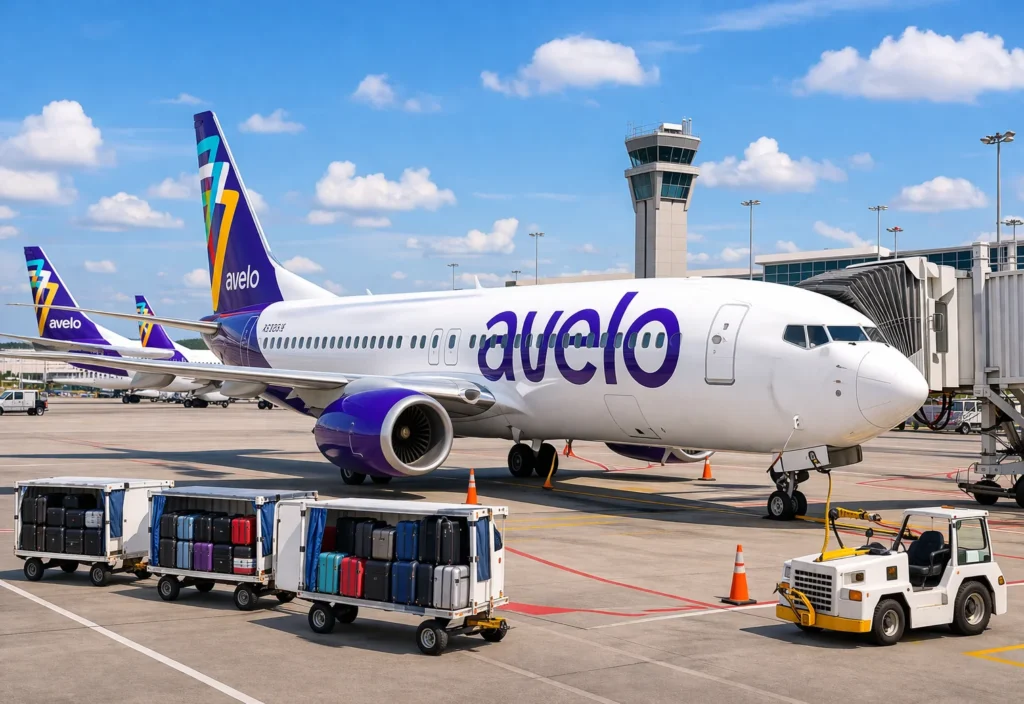
Avelo Airlines has announced a major network shift by ending its international flight operations and refocusing entirely on domestic routes across the United States. The decision marks a significant change in strategy for the ultra-low-cost carrier as it aims to strengthen its core business, improve operational efficiency, and capture growing demand for affordable domestic travel.
The move reflects broader trends in the aviation sector, where airlines are adjusting route networks to match changing traveler demand, cost pressures, and competitive market conditions. For the tourism industry, Avelo’s domestic-only strategy could create new opportunities for regional travel, secondary airports, and budget-conscious leisure passengers looking for convenient low-fare options.
Avelo Airlines Refocuses on Domestic Tourism Growth
Avelo Airlines entered the market with a model centered on affordable air travel, simplified operations, and service to underserved airports. By concentrating on domestic routes, the airline is returning to the area where many low-cost carriers can operate most efficiently.
Domestic travel remains a powerful driver of tourism in the United States. Weekend breaks, family vacations, sporting events, theme park visits, beach holidays, and national park travel all depend on reliable short-haul and medium-haul air connections. Budget airlines often play a key role in stimulating demand by making trips more affordable.
Avelo’s latest strategy suggests the carrier sees stronger long-term value in connecting U.S. travelers with domestic destinations rather than spreading resources across overseas markets that require higher costs and more complex planning.
Why Domestic Routes Matter for Tourism
The domestic tourism market in the United States is one of the largest in the world. Millions of travelers choose flights each year for leisure, business, education, and visiting friends and relatives. Airlines serving this market can benefit from year-round demand across multiple travel segments.
For tourism destinations, expanded domestic service often leads to higher visitor numbers, stronger hotel occupancy, and increased spending in restaurants, attractions, retail centers, and local transport services.
Secondary cities and regional airports can benefit the most. When airlines add direct routes outside major hubs, travelers gain easier access to destinations that may have previously required connections. This helps spread tourism beyond traditional gateway cities.
Avelo has built much of its identity around serving smaller airports with easier access, lower congestion, and faster passenger processing. That model remains attractive for travelers seeking convenience and lower fares.
Operational Simplicity Supports Airline Efficiency
International flying can create additional complexity for smaller carriers. Overseas routes often require more regulatory approvals, customs coordination, specialized staffing, and different aircraft planning. For a budget airline focused on low operating costs, these factors can reduce flexibility.
By concentrating on domestic operations, Avelo may gain several advantages:
Simpler Scheduling: Shorter sectors can improve aircraft utilization and allow faster turnarounds.
Lower Complexity: Fewer international procedures can streamline daily operations.
Better Cost Control: Domestic networks may reduce some overhead and planning expenses.
Flexible Expansion: The airline can shift capacity more quickly between U.S. destinations based on demand.
Stronger Brand Focus: Clear positioning as a domestic value carrier can help marketing efforts.
These factors are especially important in a competitive low-fare environment where efficiency often determines profitability.
Tourism Benefits for Regional Destinations
A domestic-only strategy can be positive news for smaller tourism markets across the United States. Destinations that rely on affordable flights may gain stronger visibility if airlines expand service to leisure-focused routes.
Cities near beaches, mountains, theme parks, cruise ports, music festivals, and outdoor recreation areas often benefit when budget carriers enter the market. Lower fares can encourage spontaneous getaways and short-notice travel, particularly among younger travelers and families.
Regional airports also benefit from increased traffic through parking revenue, retail spending, concession sales, and local job creation. In many communities, low-cost air links support broader economic development beyond tourism alone.
Competitive Pressure in the Low-Cost Airline Sector
The U.S. budget airline market remains highly competitive, with multiple carriers competing for price-sensitive passengers. Travelers today compare fares instantly, expect frequent promotions, and increasingly value convenience alongside low prices.
For smaller airlines, success often depends on finding underserved routes rather than competing head-to-head in crowded major hub markets. Avelo’s renewed focus on domestic routes may allow it to strengthen this niche strategy.
Rather than pursuing costly international expansion, the airline can concentrate on routes where demand is strong and competition may be lighter. This can improve sustainability while giving travelers more options in markets often overlooked by larger carriers.
What Travelers Can Expect
Passengers booking with Avelo Airlines may see the carrier continue to prioritize simple, affordable domestic travel with point-to-point routes. This can appeal to travelers who prefer direct flights and lower base fares over traditional full-service airline models.
Potential traveler benefits include:
More Regional Connectivity: Better links between smaller cities and leisure destinations.
Affordable Fares: Continued focus on low-cost travel options.
Convenient Airports: Access to less crowded airports with faster processing.
Short Break Opportunities: Easier weekend and holiday travel planning.
Growing Domestic Choices: Potential for new route announcements within the U.S.
Travelers should continue checking official airline schedules and airport updates as networks evolve.
Strong Outlook for US Domestic Tourism
The shift by Avelo Airlines comes at a time when domestic tourism remains resilient. Many travelers continue to prioritize shorter trips, flexible itineraries, and budget-friendly vacations closer to home. National parks, coastal escapes, entertainment cities, and family destinations continue to generate strong demand.
Airlines that align capacity with these trends may be well positioned for future growth. Domestic travel also allows carriers to respond more quickly to seasonal demand changes, major events, and emerging destination trends.
For tourism boards and local economies, additional domestic seats can translate directly into more visitor spending and stronger recovery momentum.
A New Chapter for Avelo Airlines
Avelo Airlines’ decision to exit international operations and focus entirely on domestic service signals a practical reset in a fast-changing aviation market. Rather than chasing expansion for its own sake, the carrier appears to be concentrating on routes where it can compete most effectively.
For travelers, the strategy may result in more affordable domestic choices and improved access to regional destinations. For the tourism industry, it highlights the continuing importance of domestic aviation as a foundation for growth.
As the airline enters this new phase, its ability to deliver reliable service, smart route planning, and value-driven travel options will shape how successfully it competes in the evolving U.S. tourism landscape.