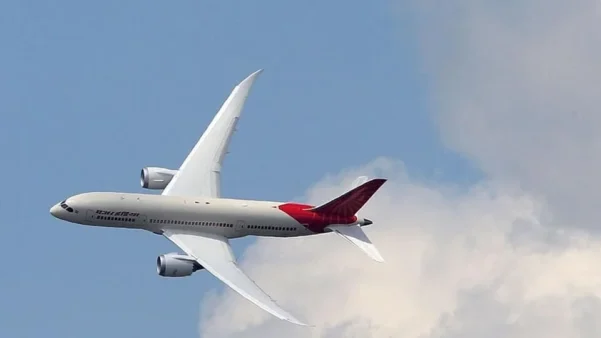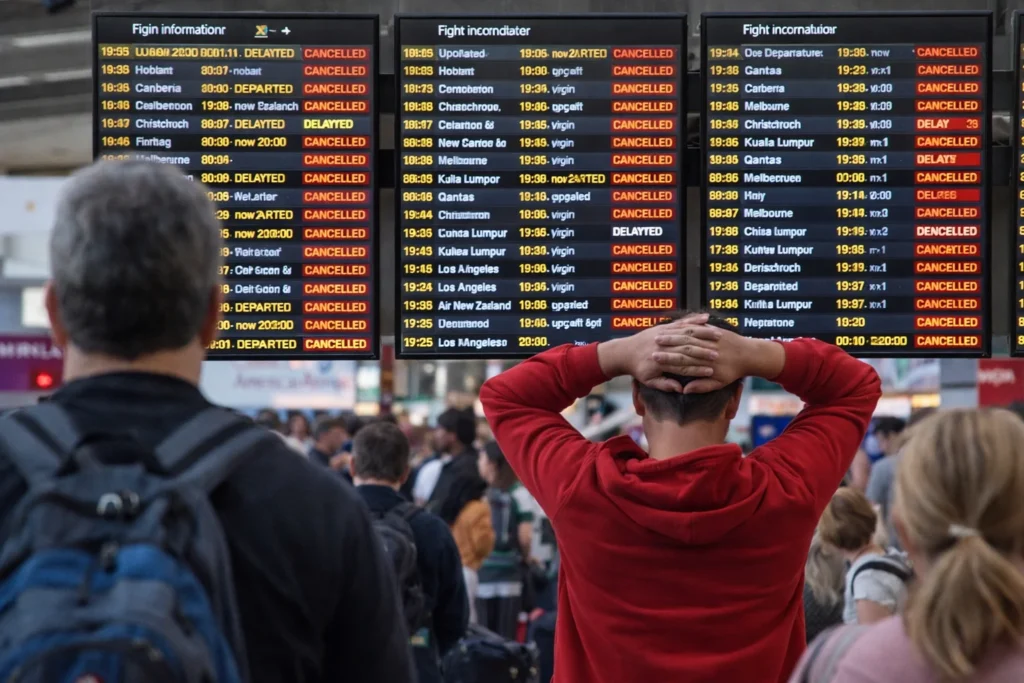
Australia flight chaos has disrupted travel plans across the country after major airports reported widespread delays and cancellations caused by weather conditions and operational pressures. The disruptions affected key gateways including Sydney, Melbourne, Brisbane, and Perth, creating challenges for domestic passengers, international travelers, and tourism businesses during a busy travel period.
With flight schedules impacted at some of the nation’s busiest airports, many travelers faced longer waiting times, rebookings, missed connections, and changes to holiday itineraries. For Australia’s tourism sector, the situation highlights how strongly air travel reliability influences visitor confidence, destination access, and seasonal travel demand.
Major Airports Face Widespread Disruption
Australia’s aviation network depends on smooth operations at its largest airports, where domestic and international services connect cities, regional communities, and overseas markets. When delays occur at these major hubs, the impact often spreads quickly across the wider network.
Sydney Airport, one of the country’s busiest gateways, experienced the heaviest disruption. As a central hub for domestic and international routes, operational slowdowns in Sydney can affect aircraft rotations, crew scheduling, and onward services nationwide.
Melbourne Airport and Brisbane Airport also reported significant delays, while Perth Airport experienced disruptions across both domestic and long-haul services. Because aircraft often operate multiple sectors in a single day, one delay in the morning can create rolling effects across later flights.
For travelers, this can mean schedule uncertainty even on routes far from the original disruption zone.
Weather and Operational Challenges Behind the Delays
Aviation systems are highly sensitive to weather conditions. Strong winds, storms, reduced visibility, and air traffic flow restrictions can all slow aircraft movements and require safety-based scheduling adjustments.
Operational challenges may include aircraft positioning, crew availability, maintenance scheduling, ground handling delays, or congestion during peak travel periods. When these factors combine with poor weather, airlines and airports may need to cancel or delay services to keep operations safe and manageable.
While such disruptions can be frustrating, aviation authorities and airlines prioritize passenger safety above schedule performance. Temporary delays are often necessary to ensure aircraft and airport systems continue operating within required standards.
Impact on Australia’s Tourism Industry
Australia is one of the world’s leading travel destinations, welcoming millions of domestic and international visitors for city breaks, nature holidays, beach vacations, business events, and cultural experiences. Efficient air connectivity is essential because of the country’s vast geography and long distances between major cities.
When airport disruptions occur, tourism businesses can feel the impact immediately.
Hotels may receive late arrivals or last-minute cancellations. Tour operators may need to reschedule day trips and transfers. Event planners can face attendance changes. Cruise passengers may require urgent transport adjustments. Restaurants and attractions may see altered visitor flows.
Domestic tourism is especially dependent on aviation, with travelers regularly flying between Sydney, Melbourne, Brisbane, Adelaide, Perth, Cairns, Hobart, and regional destinations.
Popular Destinations Affected by Network Delays
Because Australia’s route network is interconnected, airport disruption can influence access to major tourism destinations across the country.
Sydney: Harbour attractions, beaches, business travel, and cruise tourism.
Melbourne: Arts, food tourism, sports events, and cultural festivals.
Brisbane: Gateway to Queensland holidays and family travel.
Gold Coast: Theme parks, beaches, and resort stays.
Cairns: Great Barrier Reef and tropical tourism.
Perth: Western Australia leisure and business travel.
Canberra: Government travel and short-break tourism.
Even if flights to these destinations operate, delays at connecting hubs may still affect passenger journeys.
What Travelers Should Do During Flight Disruptions
Passengers traveling during periods of airline disruption can reduce stress by preparing early and staying informed. Tourism authorities and airports often advise travelers to remain flexible when weather events or operational issues affect schedules.
Helpful travel tips include:
Check Flight Status Regularly: Use airline apps and official airport updates before leaving for the airport.
Arrive Prepared: Allow extra time for queues, baggage processing, and schedule changes.
Keep Essentials Accessible: Carry medications, chargers, documents, and valuables in hand luggage.
Review Rebooking Options: Understand airline policies for delayed or cancelled flights.
Stay Flexible: If possible, consider alternative travel times or nearby airports.
Monitor Weather Conditions: Conditions can improve or worsen quickly, affecting schedules throughout the day.
These steps can make disruptions easier to manage, especially during busy holiday periods.
Strong Demand Keeps Tourism Outlook Positive
Although flight chaos creates short-term inconvenience, Australia’s tourism outlook remains strong. Domestic travel demand continues to perform well, supported by holiday travel, family visits, events, and short city breaks. International visitor interest also remains healthy thanks to Australia’s global appeal.
Many disruptions linked to weather or temporary operational issues are resolved quickly once conditions improve. Airlines typically work to recover schedules, reposition aircraft, and rebook passengers as efficiently as possible.
The resilience of Australia’s tourism market means travelers often return to planned trips once services normalize.
Why Reliable Aviation Matters for Australia
Unlike smaller countries with dense rail networks, Australia relies heavily on aviation to connect people and places. Flights are essential not only for tourism but also for trade, education, healthcare access, and regional development.
For tourism growth, reliable aviation supports:
- Faster access to destinations
- More weekend and short-break travel
- Stronger regional visitor economies
- Business event attendance
- International tourism growth
- Seasonal travel demand management
When airports and airlines operate smoothly, the entire visitor economy benefits.
Recovery Expected as Operations Stabilize
As weather systems move on and operational backlogs are cleared, airports are expected to gradually restore normal flow. Travelers should continue monitoring official airline and airport channels for the latest schedule information.
In many cases, the most severe impacts occur during the initial disruption period, with services improving steadily afterward. Additional staffing, aircraft swaps, and revised departure sequencing can help reduce delays.
For the tourism sector, quick recovery is important to maintain confidence and keep visitor movement strong across key destinations.
Australia Flight Chaos Highlights Need for Flexible Travel Planning
The latest Australia flight chaos shows how weather and operational challenges can quickly affect one of the world’s most travel-dependent nations. While delays and cancellations have disrupted thousands of journeys, they also underline the professionalism required to manage a complex aviation network safely.
For travelers, flexibility and preparation remain the best tools during disruption periods. For tourism businesses, strong recovery systems and clear communication are essential.
As airport operations stabilize, Australia is expected to continue welcoming travelers eager to explore its cities, coastlines, natural wonders, and world-class visitor experiences.