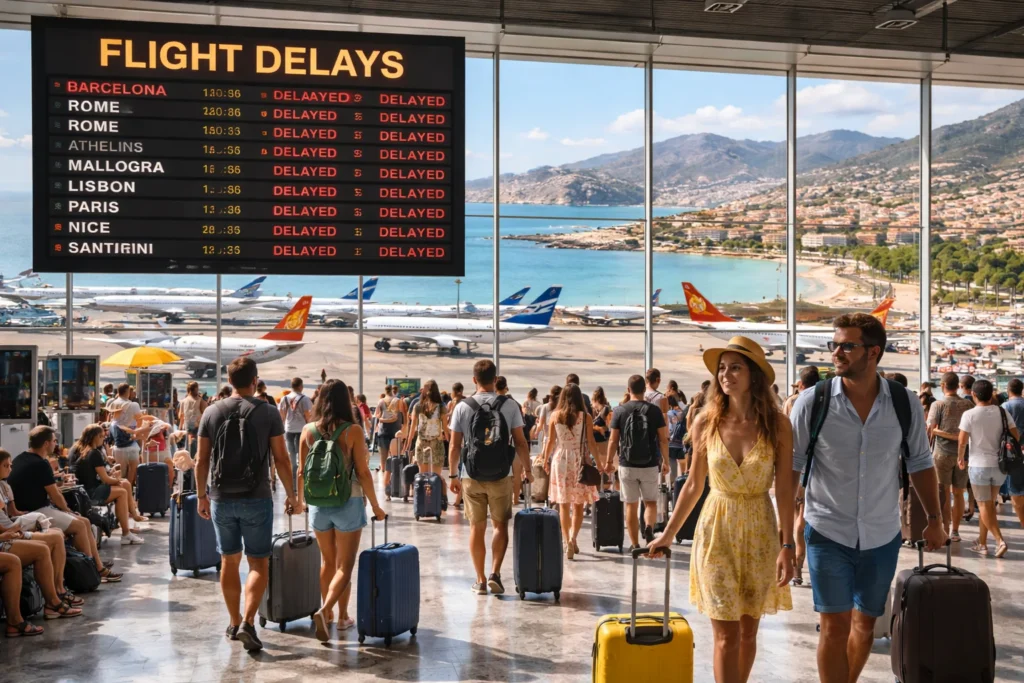
Europe summer travel is facing fresh uncertainty as fuel supply pressure linked to disruption around the Strait of Hormuz raises concerns for airlines, airports, and holidaymakers. With summer being the busiest travel season across the continent, any sustained challenge to jet fuel availability can affect flight schedules, operating costs, route planning, and passenger fares.
The situation highlights how global energy markets and tourism are closely connected. Europe’s aviation network supports millions of leisure travelers, business passengers, cruise guests, and family visitors every year. During peak summer months, demand rises sharply as travelers head to beaches, cities, festivals, islands, and cultural destinations across the continent.
If fuel costs remain elevated or supply chains tighten, travelers may see higher prices, reduced frequencies, and changing airline strategies through the season.
Why Europe Summer Travel Depends on Stable Fuel Supply
Air travel remains the backbone of European tourism. Although rail and road travel are important, aviation is essential for island destinations, long-distance city breaks, international arrivals, and high-volume holiday traffic.
Airlines rely on steady jet fuel supplies to operate efficiently. When supply routes face disruption, carriers may need to absorb higher costs, revise schedules, or reduce less profitable routes.
This is especially significant in summer because:
Peak Demand: June to September is the busiest holiday period.
Higher Capacity Needs: Airlines schedule extra flights for vacation traffic.
Island Access: Destinations like Greece, Spain, Cyprus, Malta, and Portugal depend heavily on air links.
Long-Haul Tourism: Visitors from North America, Asia, and the Middle East often arrive during summer.
Event Season: Major festivals, sports events, and conferences increase travel demand.
Even moderate fuel pressure can therefore create visible market effects.
Strait of Hormuz Importance to Global Aviation
The Strait of Hormuz is one of the world’s most important energy shipping routes. Disruption in this corridor can affect global oil and refined fuel markets, including aviation fuel used by airlines.
When shipping becomes uncertain, markets often react through higher prices, altered delivery schedules, and increased planning pressure for fuel buyers.
For Europe, which relies significantly on imported energy supplies, aviation can be particularly sensitive because airports and airlines require constant, high-volume fuel access throughout the travel season.
While supply systems are diverse and adaptive, prolonged instability can still create operational strain.
What Travelers May Notice This Summer
Passengers may not see fuel shortages directly at airports, but they could notice several indirect effects if pressure continues.
Possible impacts include:
Higher Airfares: Airlines may pass increased fuel costs into ticket pricing.
Route Changes: Some marginal or seasonal routes could see reduced frequency.
Longer Flight Times: Rerouting around affected airspace may add distance on some services.
Fewer Last-Minute Deals: Capacity discipline can reduce discount inventory.
Schedule Adjustments: Airlines may optimize aircraft use on stronger routes.
These changes vary by airline, destination, and booking period.
Popular Destinations Could See Strong Demand Despite Pressure
Even during cost challenges, Europe’s top summer destinations are expected to remain highly attractive. Demand for leisure travel often stays resilient, especially when travelers prioritize annual holidays.
Destinations likely to remain popular include:
Spain
Beach resorts, city breaks, island holidays, and family travel continue to draw strong demand.
Greece
Island tourism and Mediterranean escapes remain summer favorites.
Italy
Culture, coastline travel, luxury tourism, and culinary experiences sustain bookings.
France
Paris, Riviera holidays, and regional tourism remain major draws.
Portugal
Lisbon, Porto, Algarve resorts, and surf destinations attract global visitors.
Croatia and the Balkans
Coastal tourism and value-focused summer travel continue growing.
Strong destination appeal may support bookings even if fares rise.
Airlines Likely to Adjust Strategy
Airlines regularly adapt during periods of cost volatility. Responses may include route optimization, fleet redeployment, fuel hedging strategies, and stronger focus on profitable markets.
Carriers may prioritize:
- High-demand leisure routes
- Core hub connections
- Premium yield markets
- Strong visiting-friends-and-relatives traffic
- Strategic long-haul routes
- Popular island destinations
Lower-demand routes may face reduced frequencies rather than full suspension.
This means travelers who book early and remain flexible often have the best options.
What Travelers Should Do Now
Passengers planning Europe summer travel can take practical steps to reduce disruption and control costs.
Helpful travel tips include:
Book Early: Prices may rise closer to departure if capacity tightens.
Compare Nearby Airports: Alternate departure points can offer better fares.
Be Flexible on Dates: Midweek or shoulder dates may be cheaper.
Monitor Airline Emails: Schedule changes are common in dynamic markets.
Consider Rail Add-Ons: Combine flights with rail for regional trips.
Travel Light: Avoid extra fees where possible.
Use Refundable Options: Flexibility can be valuable in uncertain periods.
Smart planning often makes a major difference during peak seasons.
Tourism Industry Remains Resilient
Europe’s tourism sector has repeatedly shown resilience through economic shifts, weather events, and operational disruptions. Demand for holidays, cultural travel, and family reunions often returns strongly even after temporary market stress.
Hotels, tour operators, airports, cruise lines, and destination marketers are experienced in adapting to changing travel conditions. If fuel pressure eases, airlines can quickly restore capacity or stabilize pricing strategies.
The continent also benefits from diversified tourism options including rail holidays, road trips, domestic breaks, river cruises, and short-haul alternatives.
Sustainability and Alternative Transport Gain Attention
Periods of aviation cost pressure often increase interest in rail travel and multi-modal tourism. Europe’s strong train network gives many travelers additional choices for regional movement.
Travelers may increasingly consider:
- High-speed rail between cities
- Ferry and island combinations
- Self-drive holidays
- Domestic tourism closer to home
- Longer stays with fewer flights
- Open-jaw itineraries using one inbound and one outbound flight
This can support more sustainable travel behavior while easing dependence on frequent short flights.
Outlook for Europe Summer Travel 2026
The outlook for Europe summer travel depends on how energy markets, airline planning, and regional stability develop in the coming months. While challenges remain, Europe’s strong destination appeal and diversified tourism base provide significant resilience.
Many travelers are still expected to prioritize holidays, especially if they book early and plan strategically.
Fuel Pressure Highlights Need for Flexible Holiday Planning
The latest fuel concerns linked to the Hormuz crisis show how global events can influence travel costs and airline operations far beyond the source region. For passengers, the key message is preparation rather than panic.
Europe summer travel remains highly desirable, but flexibility, early booking, and smart budgeting may be more important than usual in 2026.
With iconic destinations, strong tourism demand, and adaptable transport systems, Europe is expected to remain one of the world’s top summer travel markets despite current fuel uncertainty.