The global railway market is entering a strong growth phase as governments increase investment in modern transport systems, urban mobility, and sustainable tourism travel. Industry projections indicate the sector will rise significantly by 2031, supported by expanding metro networks, faster intercity trains, safer rail systems, and stronger freight connectivity.
For tourism, the outlook is especially positive. Rail travel is becoming one of the most attractive ways to explore cities, scenic regions, and cross-border destinations. As countries modernise stations, launch new routes, and improve passenger comfort, travellers are expected to benefit from cleaner, faster, and more convenient journeys over the next decade.
The growth trend reflects wider public investment, infrastructure upgrades, and long-term plans to reduce road congestion and transport emissions.
Why Rail Matters for Tourism
Railways play a central role in global tourism because they connect airports, city centres, heritage sites, mountain regions, beach destinations, and neighbouring countries with ease. Unlike many other transport modes, trains often arrive directly in the heart of major destinations, saving time for visitors and improving the travel experience.
Rail tourism continues to grow for several reasons:
- Comfortable journeys with spacious seating
- Easy access to city centres
- Scenic routes through countryside and coastal regions
- Lower environmental impact than many road journeys
- Convenient multi-city travel options
- Strong appeal for domestic and regional holidays
As travellers increasingly seek sustainable and stress-free holidays, rail is becoming a preferred choice in many markets.
Asia-Pacific Leads Future Expansion
Asia-Pacific is expected to remain one of the fastest-growing regions for railway development. Governments across the region continue to invest in metros, monorails, high-speed rail, and cross-border links to improve mobility and reduce urban congestion.
Countries such as China, India, Japan, and Australia are expanding transport networks to meet rising demand from growing cities and tourism markets. New lines can significantly reduce travel times, open fresh visitor corridors, and support regional economic development.
For tourists, this means easier access to iconic attractions, improved domestic travel choices, and better connections between cities and airports.
Examples of likely benefits include:
- Faster transfers between major urban centres
- Improved access to cultural and heritage sites
- Better transport in rapidly growing cities
- New cross-border tourism opportunities
- More seamless airport-to-city travel
High-Speed Rail Reshaping Travel Choices
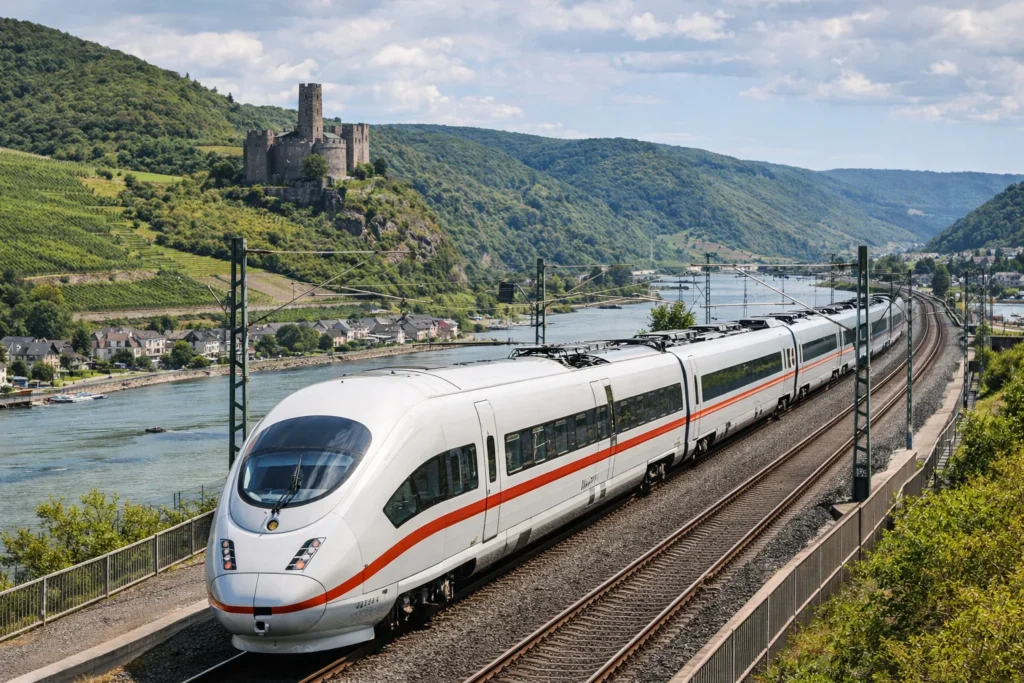
High-speed rail is changing how people travel, particularly on journeys where trains can compete directly with short-haul flights. Faster rail services offer city-centre convenience, fewer baggage hassles, and more relaxed boarding processes.
In markets where high-speed networks are expanding, tourists can often visit multiple destinations in one trip with less time spent in transit.
Popular high-speed travel advantages include:
- Shorter journey times
- Frequent departures
- More productive travel time onboard
- Lower carbon footprint
- Convenient weekend and short-break travel
As networks grow, travellers are expected to include more rail segments in holiday itineraries.
Metro Systems Support Urban Tourism
Modern metro systems are equally important to the tourism economy. Visitors depend on reliable urban transport to move between hotels, attractions, shopping districts, museums, convention centres, and entertainment venues.
Cities investing in metros and automated rail systems are often better positioned to manage rising visitor numbers while reducing congestion and improving air quality.
For tourists, efficient urban rail can transform a destination experience by making sightseeing simpler and more affordable.
This is especially valuable in mega-cities where road traffic can significantly increase travel times.
Freight Rail Also Strengthens Tourism Economies
Although passenger travel often gets the spotlight, freight rail also plays an important role in tourism growth. Strong logistics systems help hotels, restaurants, retailers, cruise terminals, and event venues receive supplies efficiently.
Rail freight can reduce road traffic, lower emissions, and improve supply chain reliability. This benefits destinations dependent on smooth delivery of food, retail goods, and hospitality services.
When transport systems work efficiently in the background, visitor experiences improve as well.
Safety and Smart Technology Drive Confidence
Modern railway growth is also being supported by new safety systems, digital signalling, anti-collision technology, and smarter operations. These investments help improve punctuality, reliability, and passenger confidence.
For tourists, dependable services are essential. Visitors planning tight itineraries need confidence that trains will run on time and connections will be manageable.
New technologies are expected to deliver:
- Better real-time travel information
- Fewer delays
- Improved onboard safety
- Smoother station operations
- Higher network capacity
- Stronger resilience during peak seasons
Destinations with dependable rail systems are often more attractive to both leisure and business travellers.
Post-Pandemic Recovery Supports Rail Investment
After pandemic-related disruption, many governments have renewed focus on infrastructure spending and long-term mobility planning. Restarted projects and new investments are helping modernise railways while supporting economic recovery.
Tourism benefits directly when transport improves. New rail links can revive regional destinations, encourage domestic holidays, and spread visitor spending beyond major gateway cities.
This creates more balanced tourism growth while reducing pressure on overcrowded hotspots.
What Travellers Can Expect by 2031
If current investment trends continue, tourists worldwide may see major improvements in rail travel over the coming years.
Likely developments include:
- More high-speed routes
- Cleaner and greener trains
- Upgraded stations
- Better airport rail links
- Easier cross-border journeys
- Expanded metro systems
- More comfortable long-distance services
These changes can make rail one of the strongest growth areas in global tourism mobility.
Positive Outlook for the Future
The projected expansion of the global railway market signals more than industry growth. It represents a transformation in how people will travel, commute, and explore destinations in the future.
For tourism, stronger rail systems mean easier access, better sustainability, and more memorable journeys. From city metros to scenic regional lines and high-speed international routes, rail is becoming a cornerstone of modern travel planning.
As governments continue investing in connectivity and cleaner mobility, the global railway market is set to play a leading role in shaping the next generation of tourism worldwide.
For more travel news like this, keep reading Global Travel Wire