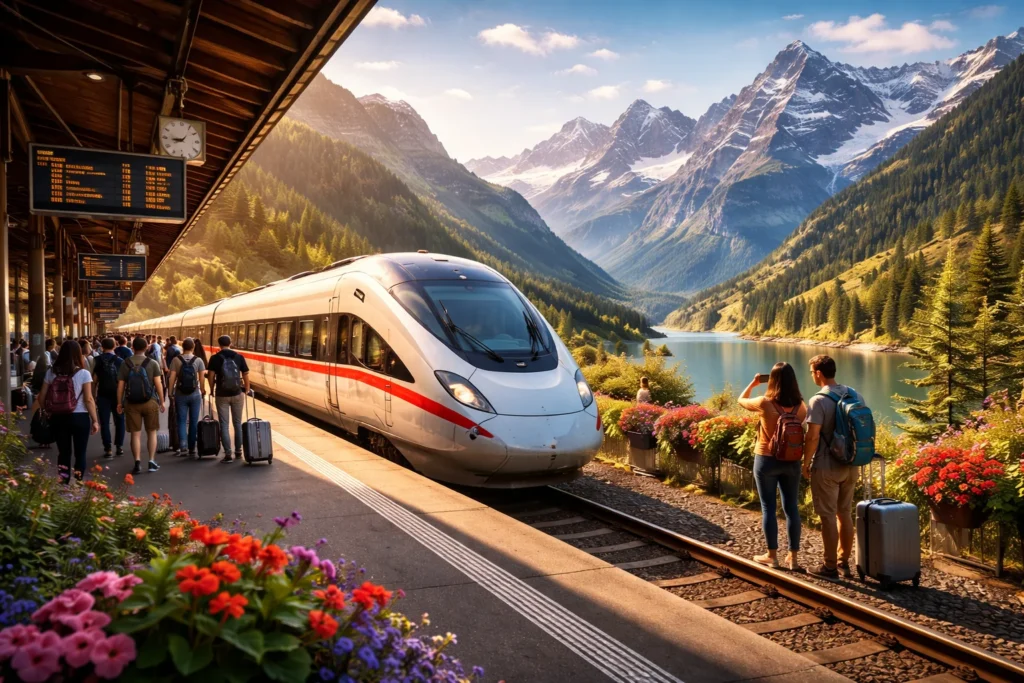
Rail transport is emerging as one of the most important pillars of tourism growth in 2026 as governments, transport authorities and destinations place greater emphasis on resilience, sustainability and regional connectivity. While rail has long been central to freight and commuter mobility, its growing role in leisure travel and destination access is now reshaping tourism strategies around the world.
Modern rail systems are increasingly viewed as more than transport infrastructure. They are economic enablers that connect cities, distribute visitors beyond crowded hotspots and support lower-emission travel. As tourism demand continues to rise, destinations with efficient railway networks are gaining a competitive edge.
From scenic journeys and high-speed corridors to airport rail links and cross-border routes, rail is becoming a defining feature of the modern visitor experience.
Why Rail Matters More Than Ever for Tourism
Tourism growth depends on reliable movement. Travellers want easy access between airports, city centres, attractions and secondary destinations. Rail offers a solution that is efficient, comfortable and scalable.
Strong rail networks help destinations by:
- Reducing road congestion
- Improving airport access
- Connecting regional towns
- Supporting multi-city holidays
- Encouraging longer stays
- Lowering transport emissions
- Increasing year-round visitor flow
For travellers, rail often provides predictable schedules, central station arrivals and a more relaxed journey compared with road congestion or short-haul flight disruptions.
As visitor expectations evolve, convenience and reliability are becoming as important as the destination itself.
Sustainable Travel Is Driving Rail Demand
Sustainability remains a major trend across global tourism. Many travellers now consider environmental impact when choosing how to travel, especially within regions where rail is a practical alternative to short flights or long car journeys.
Rail travel typically supports lower emissions per passenger kilometre compared with many road and air options, especially on electrified routes. This makes it attractive for governments promoting climate goals and for tourism boards seeking greener visitor strategies.
Destinations investing in rail can strengthen their image as responsible travel leaders while improving mobility for residents at the same time.
High-Speed Rail and City Tourism
High-speed rail continues to transform city tourism by reducing journey times between major urban centres. Faster links encourage weekend breaks, same-week itineraries and multi-destination holidays.
When cities are connected efficiently, travellers are more likely to combine experiences such as:
- Culture in one city
- Shopping in another
- Coastal escapes nearby
- Business events with leisure extensions
- Festival travel across regions
This creates broader economic benefits because spending is shared across multiple destinations instead of being concentrated in one gateway city.
For hotels, restaurants and attractions, better rail access can translate into higher visitor numbers and stronger occupancy.
Regional Tourism Benefits from Better Rail Links
One of the greatest advantages of rail tourism is its ability to spread visitors beyond traditional hotspots. Secondary cities, heritage towns, wine regions and nature destinations become more accessible when linked by dependable rail services.
This helps reduce overtourism pressure in major capitals while creating new opportunities for smaller communities.
Regional tourism benefits may include:
- Increased overnight stays
- Growth in local dining and retail
- More domestic weekend travel
- Stronger off-season demand
- Job creation in hospitality
- Better access to cultural sites
Rail can therefore support more balanced and inclusive tourism development.
Airport Rail Connections Improve the Visitor Experience
Many leading tourism destinations are investing in direct rail links to airports. Fast airport trains reduce transfer stress and improve first impressions for arriving visitors.
Travellers increasingly value smooth onward connections after landing. Rail links can help them reach city centres, conference venues or cruise ports quickly without depending solely on taxis or private transfers.
For major events and international conventions, reliable airport connectivity is especially valuable because it improves capacity and visitor satisfaction.
Scenic Rail Journeys Become Attractions Themselves
Railways are not only practical transport tools. In many markets, the journey itself has become a tourism product. Scenic rail experiences through mountains, coastlines, deserts and countryside continue attracting premium travellers and experience-seekers.
Popular rail tourism themes include:
- Heritage train journeys
- Luxury sleeper services
- Panoramic routes
- Wine region rail tours
- Wildlife and nature journeys
- Cross-country adventure travel
These experiences often generate strong media appeal and help destinations market themselves globally.
Technology and Reliability Are Key to Growth
Modern tourism depends on dependable operations. Delays, poor information and service disruption can damage visitor confidence. That is why railway modernization increasingly focuses on digital systems, predictive maintenance and real-time passenger updates.
Technology improvements may include:
- Smart ticketing
- Mobile journey updates
- Better baggage integration
- Live platform information
- Predictive maintenance systems
- Improved onboard connectivity
Reliable service encourages repeat travel and strengthens rail’s role in tourism ecosystems.
Rail and Local Economies
Beyond visitor movement, rail investment can stimulate broader economic value. Better transport often supports hotel development, retail districts, conference business and urban regeneration around stations.
Well-designed station districts can become destinations themselves, offering dining, shopping and cultural spaces that attract both visitors and residents.
This means rail spending often delivers tourism value far beyond ticket revenue.
Challenges Still Remain
Despite strong momentum, rail tourism growth depends on continued investment and coordination. Challenges can include ageing infrastructure, cross-border ticket complexity, seasonal crowding and uneven service quality.
To remain competitive, destinations need to focus on:
- Timetable reliability
- Easy booking systems
- Clean and safe stations
- Affordable fares
- Strong last-mile transport links
- Integrated tourism marketing
When these elements work together, rail becomes far more attractive to travellers.
What Travellers Should Expect in 2026
Visitors in 2026 are likely to see continued expansion of rail-focused tourism offers, especially in regions prioritising sustainable mobility. More destinations are packaging train travel with hotels, attraction passes and city experiences.
Travellers may increasingly choose rail for:
- Multi-city European holidays
- Domestic weekend escapes
- Airport transfers
- Scenic vacations
- Festival and event travel
- Business-leisure blended trips
Convenience, comfort and environmental awareness are all supporting this shift.
Final Tourism Outlook
Rail tourism is no longer a niche trend. It is becoming a central part of how destinations grow sustainably, connect communities and improve visitor experiences.
As governments and tourism authorities invest in resilience and modern mobility, rail networks are positioned to deliver long-term value. For travellers, that means easier journeys and richer itineraries. For destinations, it means stronger regional economies and more balanced tourism growth.
In 2026, the future of travel is not only in the skies. Increasingly, it is also on the rails.