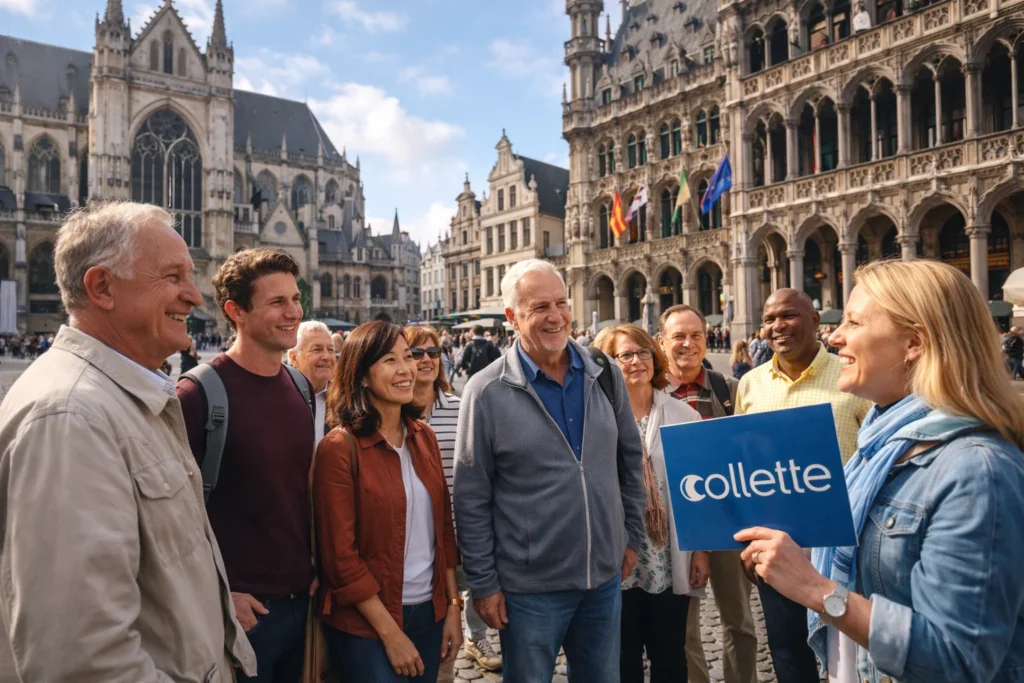
The global tourism industry has received a significant boost after Collette joined the World Travel & Tourism Council as a Global Member. The move reflects a growing shift in international travel leadership, where guided tour operators are playing a larger role in shaping tourism policy, sustainability strategies and long-term destination growth.
As one of the world’s well-known guided travel companies, Collette’s addition strengthens the voice of organised tours within global tourism discussions. It also highlights how the sector is evolving beyond simple holiday bookings toward broader goals such as responsible travel, community benefits and resilient destination planning.
For travellers, destinations and tourism businesses, this membership signals a stronger focus on quality experiences, sustainability and smarter growth across international markets.
Why WTTC Matters to Global Tourism
The World Travel & Tourism Council is one of the most influential private-sector organisations in the tourism industry. It brings together leaders from airlines, hotels, cruise companies, tour operators and travel services to help guide the future of global travel.
Its work often focuses on:
- Tourism’s contribution to jobs and economies
- Policy recommendations for governments
- Sustainable travel frameworks
- Investment in tourism infrastructure
- Workforce development
- Destination competitiveness
- Long-term resilience planning
When new members join the council, they bring practical industry experience that can shape future strategies.
Why Collette’s Membership Is Important
Collette has built a long-standing reputation in guided travel, offering escorted journeys across Europe, Asia, North America and many other regions. Guided travel companies play an important role in tourism because they help travellers discover destinations with convenience, expertise and cultural context.
By joining WTTC, Collette adds valuable perspectives on:
- Group travel demand
- Destination management
- Cultural tourism experiences
- Multi-country itineraries
- Traveller expectations
- Sustainable touring practices
This helps ensure that organised travel is represented in conversations about the future of tourism.
Guided Tours Are Growing in Popularity
Modern travellers are increasingly seeking stress-free, experience-rich holidays. Guided tours continue gaining popularity because they combine planning support with local insight and efficient travel.
Popular reasons travellers choose escorted tours include:
- Hassle-free itineraries
- Expert local guides
- Easy logistics
- Safer and smoother travel planning
- Social travel experiences
- Access to iconic attractions
- Time-saving multi-destination journeys
As global demand for meaningful travel grows, tour operators are becoming more influential across the tourism ecosystem.
Sustainability Becomes a Bigger Priority
One of the most important themes in modern tourism is sustainability. Travellers, destinations and governments are all looking for ways to grow visitor numbers while protecting local culture, communities and natural environments.
Tour operators can play a major role by:
- Managing visitor flows responsibly
- Supporting local businesses
- Encouraging respectful cultural engagement
- Reducing waste in operations
- Promoting longer stays over rushed travel
- Choosing responsible suppliers
With Collette joining WTTC, sustainable touring practices may gain greater visibility in international tourism planning.
Economic Value of Organised Travel
Guided tourism creates economic benefits across many layers of the visitor economy. Tour guests often use hotels, restaurants, transport providers, museums, attractions and local guides during their journeys.
This means escorted travel can support:
- Hospitality jobs
- Regional tourism businesses
- Heritage attractions
- Local transport services
- Food and beverage sectors
- Rural and secondary destinations
Because tours often include multiple stops, they can help spread tourism spending beyond major gateway cities.
Better Destination Management Through Collaboration
One challenge facing global tourism is balancing popularity with local quality of life. Some destinations experience congestion while others remain under-visited. Better planning is essential.
Collaboration between councils, governments and operators can help through:
- Visitor dispersal strategies
- Seasonal travel promotion
- Infrastructure planning
- Community engagement
- Capacity management
- Improved visitor standards
Tour operators that move thousands of guests annually can offer practical insight into what works on the ground.
Technology and the Future of Travel
Digital transformation is also changing how travellers research, book and experience trips. Tour companies are increasingly using smarter tools to improve service and personalise journeys.
Industry priorities now include:
- Better booking systems
- Real-time itinerary updates
- Mobile travel support
- Sustainability tracking
- Personalised travel options
- Seamless customer service
By joining a global leadership network, Collette can contribute to wider discussions on how technology should improve tourism for both travellers and destinations.
What This Means for Travellers
For consumers, stronger collaboration between travel leaders often leads to better experiences over time. While membership announcements are industry news, the long-term benefits can be very practical.
Travellers may see:
- Higher service standards
- More sustainable travel options
- Better curated itineraries
- Stronger destination partnerships
- More meaningful local experiences
- Improved traveller confidence
As tourism becomes more experience-driven, travellers increasingly value trust, transparency and purpose.
Why Destinations Benefit Too
Destinations gain when major travel brands work closely with global tourism bodies. Shared standards and research can support smarter growth instead of unmanaged expansion.
This is especially valuable for destinations seeking:
- Quality visitors over volume alone
- Stronger local economic benefits
- Better reputation management
- Balanced tourism seasons
- Community-friendly development
Responsible partnerships can help destinations grow without losing what makes them special.
Tourism Leadership Is Evolving in 2026
The tourism industry in 2026 is increasingly shaped by cooperation rather than isolated business models. Airlines, hotels, attractions and tour operators are recognising that shared challenges require shared solutions.
Those challenges include:
- Sustainability pressures
- Workforce needs
- Rising traveller expectations
- Infrastructure demands
- Digital disruption
- Climate resilience
Leadership groups that include diverse voices are better positioned to respond.
Final Tourism Outlook
Collette joining WTTC is more than a membership update. It reflects the rising importance of guided travel, sustainability and collaborative leadership in global tourism.
For travellers, it points toward better experiences and more responsible choices. For destinations, it supports smarter growth and stronger partnerships. For the industry as a whole, it shows that the future of travel will be built not only on demand, but on how well leaders work together to shape it.