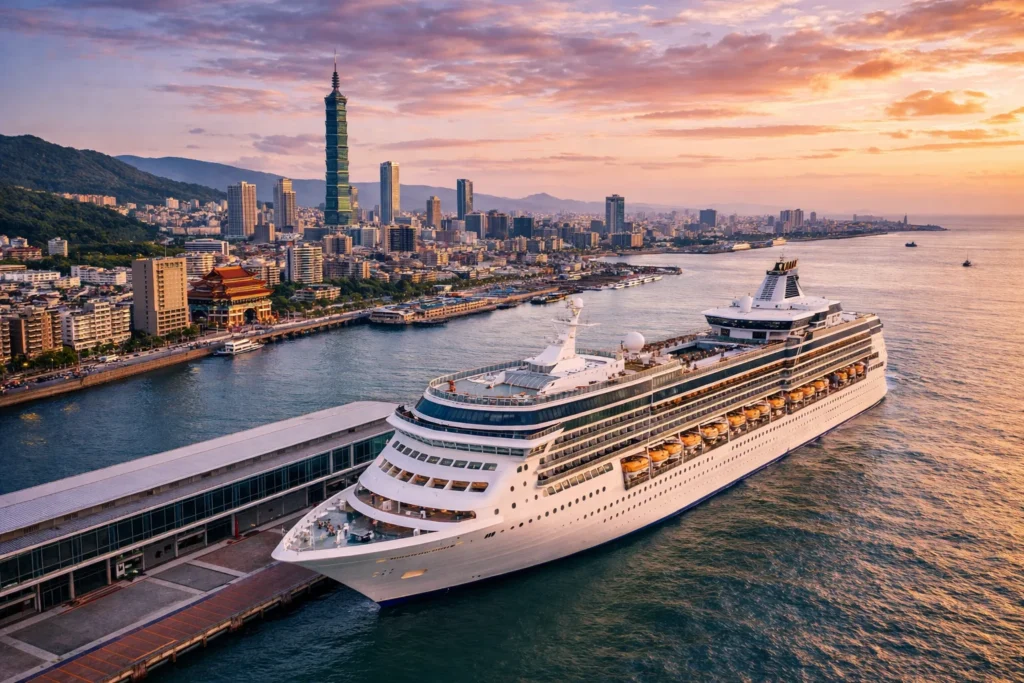
Taiwan is stepping into the global spotlight as a leading cruise destination by promoting its expanding maritime tourism opportunities at Seatrade Cruise Global 2026. Through the Taiwan Tourism Administration, the destination is presenting itself as a strategic gateway for regional cruise itineraries, homeport operations, and fly-cruise travel across Asia.
The latest push reflects Taiwan’s ambition to become one of the region’s most important cruise hubs by combining strong air connectivity, efficient port infrastructure, and a rich mix of travel experiences.
Under its international tourism identity, “Taiwan – Waves of Wonder,” the destination is showcasing how cruise travelers can enjoy vibrant cities, natural landscapes, world-famous food, culture, wellness, and lifestyle experiences in one compact and accessible island destination.
Why Taiwan Is Ideal for Cruise Growth
Taiwan’s geographic location is one of its strongest tourism advantages. Positioned at the heart of East Asia, the island sits close to major travel markets such as Japan, South Korea, Southeast Asia, and mainland Asia, making it ideal for multi-port cruise itineraries.
For cruise lines, location matters because shorter sailing times between ports can improve itinerary planning, fuel efficiency, and passenger convenience.
Taiwan’s central positioning allows operators to design attractive routes that connect several destinations in a single voyage while offering travelers a balanced mix of urban, coastal, and cultural experiences.
This makes Taiwan highly competitive in a region where demand for short and mid-length cruises continues to rise.
Strong Air Connectivity Supports Fly-Cruise Tourism
One of the key messages from Taiwan’s 2026 tourism campaign is the growth of fly-cruise travel. This model allows travelers to fly into one destination, join a cruise itinerary, and return by air after the voyage.
Fly-cruise programs are increasingly popular because they offer flexibility, save time, and expand access for long-haul travelers.
According to official tourism promotion details, Taiwan is supported by more than 180 direct flights each week between North America and Taiwan. This level of international connectivity strengthens the island’s appeal as a cruise embarkation and disembarkation point.
For travelers from North America, Europe, and other long-haul markets, seamless flight access can make Taiwan a practical starting point for exploring Asia by sea.
This air-sea integration is becoming a major factor in the future growth of cruise tourism.
Modern Port Infrastructure Builds Confidence
Alongside aviation strength, Taiwan is promoting internationally standardized port facilities designed to support smooth operations and efficient passenger movement.
Cruise travelers increasingly expect modern terminals, streamlined boarding, secure baggage handling, transport connections, and convenient access to city attractions.
Strong port infrastructure benefits both cruise operators and visitors. Ships can turn around efficiently, while passengers enjoy a more comfortable and reliable journey.
For destinations competing in the global cruise market, infrastructure readiness is often a deciding factor when cruise lines allocate ships and plan new routes.
Taiwan’s emphasis on operational quality suggests it is preparing not only for more cruise calls, but also for a larger long-term role in regional maritime tourism.
Incentives to Attract Global Cruise Lines
To accelerate growth, Taiwan is also promoting targeted incentives for cruise partners. Official programs include financial support for international cruise lines bringing overseas passengers to Taiwan.
Incentives may apply to longer port stays as well as shorter calls, encouraging operators to include Taiwan more frequently in regional itineraries.
Additional support is also being offered for fly-cruise development through per-passenger incentives tied to international arrivals connected to cruise programs.
These measures are designed to stimulate route development, boost marketing partnerships, and deepen cooperation between airlines, cruise companies, and tourism stakeholders.
In a competitive global environment, incentive programs can help destinations attract new business while building long-term relationships with operators.
Taiwan 100 Ways Expands Tourism Appeal
Beyond cruise infrastructure, Taiwan is using the global stage to promote the next evolution of its tourism identity through the “Taiwan 100 Ways” concept.
Rather than focusing on a single landmark or attraction, the campaign highlights the many different ways visitors can experience the island.
This includes food journeys, local neighborhoods, mountain escapes, wellness retreats, shopping districts, romance travel, coastal scenery, cultural heritage, and everyday lifestyle encounters.
The strategy reflects modern tourism trends where travelers increasingly seek personalized and diverse experiences rather than traditional sightseeing alone.
For cruise passengers, this is especially valuable because short visits need strong and memorable shore experiences that can be enjoyed in limited time.
Taiwan’s compact size and transport efficiency make it easier for visitors to enjoy multiple experiences during a single port call.
Culinary Tourism Gives Taiwan a Competitive Edge
Food remains one of Taiwan’s strongest tourism assets. From night markets and street snacks to fine dining and tea culture, the island is widely recognized for its rich culinary identity.
Cruise travelers often rank local cuisine among the top reasons they remember a destination. That gives Taiwan a major advantage when competing for port visits and repeat tourism.
Visitors arriving by ship can enjoy authentic flavors, seafood specialties, regional dishes, desserts, and food-centered city tours that create strong emotional connections with the destination.
As gastronomy becomes more influential in travel decisions, Taiwan’s food culture adds powerful value to its cruise proposition.
Nature, Culture, and Cities in One Destination
Another reason Taiwan stands out is its ability to offer multiple travel themes within a short distance.
Travelers can experience dynamic urban centers, scenic coastlines, hot springs, mountains, temples, cycling routes, shopping districts, and cultural attractions without needing long transfers.
For cruise lines, this diversity helps create attractive shore excursions for different passenger interests. Some travelers may want heritage sites, others may choose wellness or outdoor adventure, while many will prefer shopping and cuisine.
Few destinations can combine such variety in a compact and efficient format.
What This Means for Asia Cruise Tourism
The rise of Taiwan as a cruise gateway reflects broader changes in the Asian travel market. Cruise demand is expanding, travelers are seeking new regional itineraries, and destinations with strong infrastructure are gaining importance.
Taiwan’s proactive strategy shows how tourism boards can combine branding, incentives, transport connectivity, and destination storytelling to compete globally.
Its presence at Seatrade Cruise Global 2026 sends a clear signal that the island intends to play a larger role in shaping the next chapter of Asian cruise travel.
Strong Outlook for the Future
With strategic geography, modern ports, direct international flights, and a wide range of visitor experiences, Taiwan cruise tourism is entering a new phase of growth.
For cruise operators, Taiwan offers efficiency and market potential. For travelers, it offers memorable journeys filled with culture, cuisine, and natural beauty.
As the Asian cruise sector expands, Taiwan is positioning itself not just as another stop on an itinerary, but as one of the region’s most important gateways to the future of cruising.