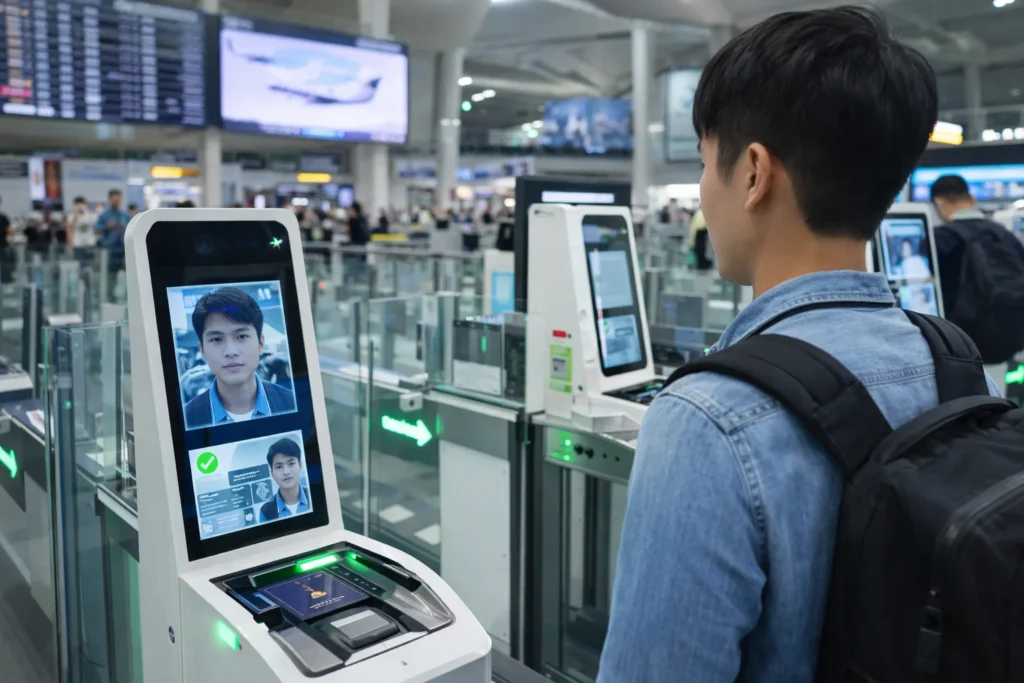
France, Spain, the United States, and China are emerging as powerful drivers of the next phase of tourism innovation. Across airports, airlines, hotels, and visitor services, these four markets are helping turn artificial intelligence, biometric systems, and smart hospitality tools into everyday travel experiences.
For millions of international travelers, technology is no longer an optional extra. It is becoming part of the standard journey from booking and boarding to hotel check-in and personalized service.
The transformation is especially significant because these countries represent some of the world’s largest tourism and travel markets. Their investments in digital systems often influence wider industry standards and encourage faster adoption across other destinations.
As a result, what begins in Paris, Madrid, New York, or Shanghai can quickly shape travel expectations worldwide.
Why Visitor Volume Drives Innovation
Large travel markets face intense pressure to improve speed, efficiency, and service quality.
France and Spain remain among the world’s most visited destinations, welcoming strong international arrivals through their cultural cities, beach resorts, and business travel hubs. The United States continues to process large volumes of international visitors while maintaining one of the world’s most extensive aviation networks. China remains one of the most influential travel markets through domestic scale and outbound demand.
When destinations serve huge passenger volumes, even small efficiency gains can create major economic value.
Shorter queues, faster boarding, smoother hotel check-ins, and better disruption management all improve traveler satisfaction while reducing operational strain.
That is why high-volume tourism markets often become testing grounds for new technology.
AI Is Changing the Travel Journey
Artificial intelligence is increasingly visible across tourism services.
Airlines are using AI to improve customer support, automate responses, forecast demand, personalize offers, and manage disruptions. Hotels are using AI for room preferences, concierge assistance, dynamic pricing, and tailored recommendations.
For travelers, this means less waiting and more relevant service.
Instead of searching through endless options, guests may receive smarter suggestions based on preferences, loyalty history, seasonality, or trip purpose.
During delays or schedule changes, AI tools can also help provide quicker rebooking options and more accurate updates.
As these systems improve, travel becomes less stressful and more responsive.
Biometrics Speed Up Airports and Borders
Biometric technology is one of the most visible changes in modern travel.
Facial recognition and digital identity systems are being introduced at check-in points, boarding gates, immigration areas, and airport access zones.
The main advantage is speed. Traditional document checks can slow passenger flow, especially during peak travel periods. Biometric systems can reduce processing times while improving identity verification.
For tourism destinations, smoother airport experiences create a stronger first impression.
Travelers increasingly judge destinations not only by attractions and hotels, but also by how efficiently they move through airports and borders.
As adoption expands, biometric travel could become a standard feature in many major gateways.
France Strengthens Premium Smart Travel Experiences
France remains a global leader in tourism thanks to strong visitor demand for culture, gastronomy, heritage, and luxury travel.
Its investment in digital travel tools reflects the need to manage high passenger volumes while maintaining premium service standards.
Smart boarding systems, digital customer support, and connected hospitality services can help major hubs and city hotels deliver smoother journeys.
In premium tourism markets such as Paris and the French Riviera, smart-room technology and personalized guest services are becoming increasingly valuable.
For visitors, technology enhances convenience while preserving the destination’s iconic travel appeal.
Spain Blends Tourism Scale with Personalization
Spain’s tourism success is built on city breaks, beach holidays, cultural routes, and year-round international demand.
With strong visitor flows through Madrid, Barcelona, and coastal regions, personalization technology is becoming more important.
AI tools can help travelers receive better itinerary suggestions, tailored hotel offers, and faster assistance during travel disruptions.
For hotels and tourism providers, personalization supports stronger guest satisfaction and higher repeat visitation.
Spain’s position as a tourism powerhouse makes it an ideal environment for scaling visitor-focused innovation.
United States Expands Digital Travel Ecosystems
The United States combines large domestic mobility with significant inbound tourism and major aviation hubs.
Its travel technology strength is supported by innovation ecosystems, software development, and partnerships across airlines, hospitality groups, and digital platforms.
Mobile check-in, keyless hotel entry, dynamic pricing, customer apps, and integrated loyalty tools are all shaping the American travel experience.
Because many global travel brands operate from or partner with U.S.-based technology providers, innovations introduced in the American market often spread internationally.
This gives the United States a major role in setting digital travel trends.
China Scales Smart Travel at Speed
China’s travel market is known for rapid adoption of digital systems, mobile payments, and smart infrastructure.
Biometric processing, app-based travel services, and integrated hospitality tools have become increasingly important across large transport networks and tourism centers.
The country’s scale allows technologies to be tested and refined with large user volumes.
As Chinese travel companies expand internationally and more global businesses partner with Chinese platforms, these systems can influence tourism experiences in other regions as well.
China’s role in the future of travel technology is likely to remain significant.
Smart Hotels Redefine Guest Expectations
The same digital shift seen in aviation is transforming hotels.
Travelers increasingly expect mobile check-in, digital room keys, smart climate controls, voice-enabled services, and personalized offers.
Hotels that use data responsibly can better understand guest preferences, improve service efficiency, and create memorable stays.
For tourism boards, modern accommodation standards help strengthen destination competitiveness.
A traveler choosing between two destinations may consider not only attractions but also the quality and convenience of the overall stay.
Smart hospitality is therefore becoming a strategic tourism advantage.
Benefits for Global Travelers
The combined effect of AI, biometrics, and smart hospitality creates real benefits for visitors.
Queues can be shorter. Support can be faster. Booking choices can be more relevant. Hotel stays can feel more personalized. Disruptions can be managed more smoothly.
Perhaps most importantly, consistency is improving. Travelers moving between multiple countries increasingly encounter familiar digital tools and service expectations.
That continuity builds confidence, especially for first-time international travelers.
The Next Chapter of Tourism Innovation
As more destinations modernize, the travel technology leadership currently visible in France, Spain, the United States, and China is likely to inspire wider adoption across the world.
Other major tourism economies are also investing in smart airports, digital identity systems, and connected hospitality platforms.
The future traveler will expect seamless journeys, intelligent support, and personalized experiences as standard.
For the tourism industry, the message is clear: technology is no longer separate from travel. It is becoming one of the defining features of the journey itself.