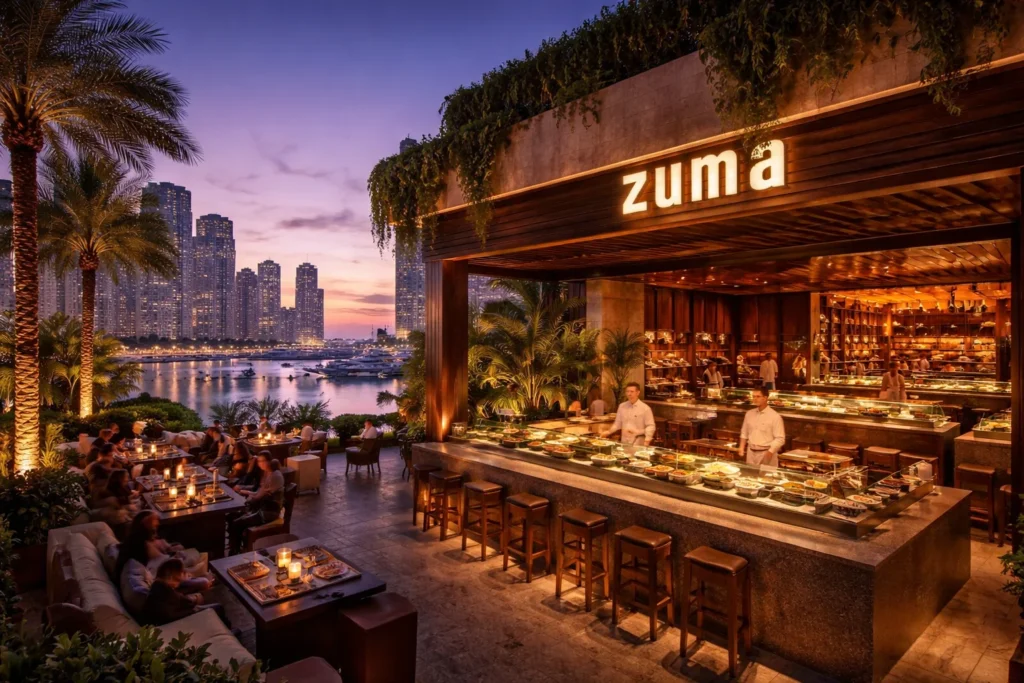
Luxury dining brand Zuma is preparing for its next stage of global growth as it approaches its 25th anniversary, focusing on premium tourism destinations, selective expansion, and high-value guest experiences. Rather than rapid expansion, the internationally known restaurant brand is prioritizing disciplined growth that protects quality, brand identity, and long-term relevance in the evolving travel and hospitality market.
This strategy reflects a larger tourism trend in which travelers increasingly seek curated lifestyle experiences instead of standard dining options. High-end restaurants are no longer just places to eat. They are becoming part of destination appeal, influencing where visitors stay, celebrate, and spend their leisure time.
As luxury tourism continues to grow across resort hubs, coastal escapes, and global cities, Zuma’s measured expansion model shows how hospitality brands are adapting to changing traveler expectations.
Premium Destinations Lead Zuma’s Tourism Strategy
The next phase of Zuma’s growth includes planned openings in globally recognized leisure and lifestyle destinations such as Vail, San Diego, Cabo, and St Barths. These locations are known for attracting affluent travelers, holidaymakers, and experience-focused visitors looking for premium hospitality offerings.
Choosing high-value destinations rather than mass-market expansion allows the brand to align with audiences already seeking upscale travel experiences. It also supports stronger destination positioning, where dining becomes part of a complete luxury journey that may include resorts, beach clubs, wellness, shopping, and nightlife.
This approach mirrors a wider shift in global tourism, where destinations compete not only through attractions and hotels but also through standout culinary experiences that enhance visitor satisfaction and spending.
Luxury Dining Becomes a Tourism Driver
Food tourism has become one of the fastest-growing segments of travel. Visitors increasingly plan trips around restaurants, chefs, local cuisine, and unique culinary concepts. For many travelers, dining is now a headline experience rather than an add-on activity.
Zuma’s international recognition gives destinations an additional premium attraction that can appeal to tourists, corporate guests, event travelers, and residents alike. Well-known dining brands often increase the visibility of a city or resort, helping it attract new audiences.
As travelers seek memorable evenings, social experiences, and sophisticated settings, luxury restaurants can extend visitor stays and encourage higher tourism spending. This makes hospitality-led dining venues an important part of tourism development strategies in many global markets.
Focus on Quality Over Quantity
One of the most notable aspects of Zuma’s expansion plan is its emphasis on consistency rather than speed. In today’s competitive hospitality environment, maintaining service standards, atmosphere, and food quality across multiple countries is essential for long-term success.
Travelers who visit a trusted global brand often expect the same level of excellence wherever they go. Strong consistency builds loyalty and repeat visitation, especially among international guests who move between business hubs and leisure destinations.
By selecting locations carefully and avoiding overexpansion, the brand is reinforcing a premium image that appeals to discerning travelers. This disciplined approach also supports sustainable growth in an industry where guest expectations continue to rise.
Partnerships with Hotels and Integrated Resorts
Zuma is increasingly focusing on hospitality-led environments where restaurants form part of a larger luxury ecosystem. This includes collaborations with premium hotels, resorts, and mixed-use lifestyle destinations.
For tourism markets, such partnerships create stronger visitor experiences. Guests can enjoy accommodation, wellness, entertainment, and dining within one integrated destination. This convenience is particularly attractive for short-break travelers, couples, luxury families, and event attendees.
Resort destinations benefit when globally recognized brands enhance their food and beverage offerings, while restaurant brands gain access to established traveler audiences. The result is a mutually beneficial model that strengthens destination competitiveness.
Seasonal and Lifestyle Markets Continue to Grow
Beyond permanent openings, the brand is also expanding in seasonal tourism hotspots such as Bodrum and Mykonos, while strengthening its presence in Dubai. These destinations are known for summer tourism, luxury beach travel, nightlife, and international visitor demand.
Seasonal operations allow hospitality brands to connect with travelers during peak demand periods while maintaining exclusivity and destination excitement. Limited-season experiences can generate strong interest, repeat visits, and social media visibility, especially in markets where travelers seek the newest premium experiences each year.
This trend shows how tourism and hospitality are becoming more flexible, with brands adapting formats to match destination seasonality and traveler behavior.
Lifestyle Experiences Beyond the Restaurant Table
Another major part of Zuma’s evolution is the move beyond the traditional restaurant model into broader lifestyle experiences. The brand’s partnership with the Mercedes-AMG PETRONAS Formula One Team reflects how luxury hospitality and global events are increasingly connected.
Through curated experiences around major race weekends such as Miami and Las Vegas, the brand is reaching audiences who value performance, exclusivity, entertainment, and premium service. This type of experiential tourism is growing rapidly as travelers look for unforgettable moments tied to sports, music, festivals, and international events.
For destinations hosting global events, premium dining activations can enhance visitor experience and boost spending across hospitality sectors.
Why This Matters for Global Tourism
The future of tourism is increasingly shaped by experiences that combine travel, lifestyle, and emotional connection. Today’s visitors often choose destinations where they can enjoy distinctive food, memorable design, social energy, and high service standards.
Zuma’s strategy demonstrates that successful tourism growth is not always about being everywhere. It is about being in the right destinations, with the right partners, and delivering experiences that travelers genuinely value.
As luxury tourism continues to expand, brands that balance exclusivity with consistency are likely to perform strongly in both urban and resort markets.
Looking Ahead
Approaching its 25th anniversary, Zuma is entering a new era defined by relevance, destination fit, and premium hospitality experiences. Its selective global pipeline, focus on partnerships, and expansion into lifestyle events position the brand strongly for the next generation of tourism demand.
For travelers, this means more opportunities to enjoy world-class dining in some of the world’s most desirable destinations. For the tourism industry, it highlights the growing power of culinary brands in shaping how and why people travel.
For more travel news like this, keep reading Global Travel Wire