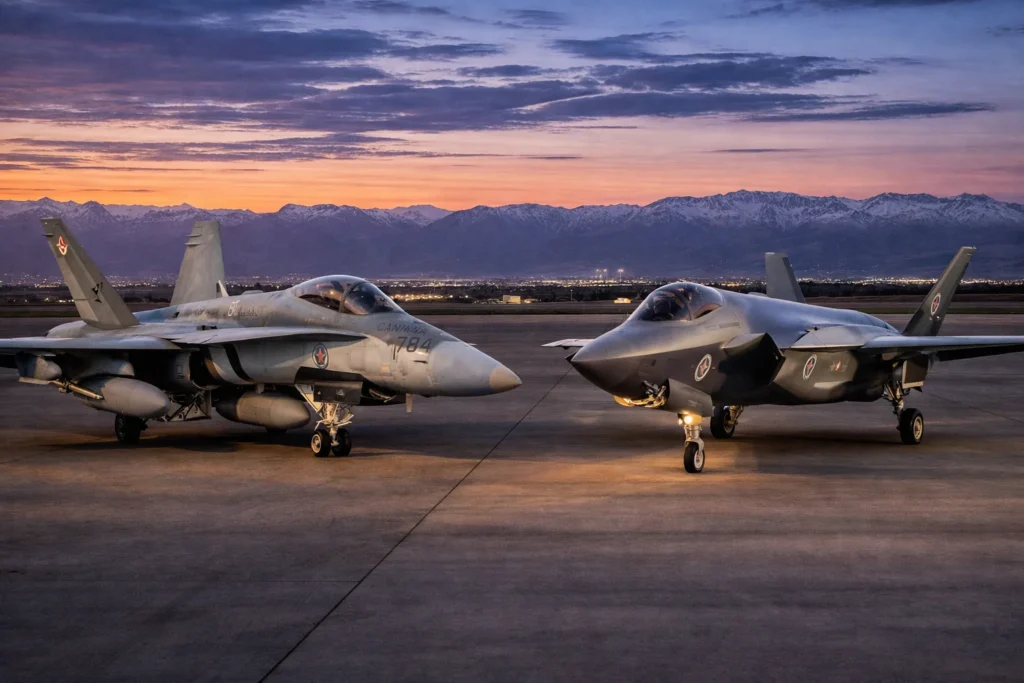
Canada’s decision to replace its long-serving CF-18 Hornet fleet with new F-35A fighter aircraft is primarily a national defense modernization program, but it also carries wider significance for aviation tourism, aerospace events, museum interest, and public fascination with military aircraft. Major fleet transitions often extend beyond operational policy, influencing airshows, aviation heritage attractions, industrial tourism, and traveler interest in aerospace destinations.
The Government of Canada has confirmed plans to acquire 88 F-35A aircraft, with the first deliveries beginning in 2026 and operational entry expected later in the decade. While the program is focused on future readiness and interoperability, the arrival of one of the world’s most recognized next-generation aircraft is also likely to generate fresh public attention across Canada’s tourism and aviation sectors.
From museum visitors to plane spotters and airshow travelers, military aviation remains a strong niche within global tourism.
Why Aviation Matters to Tourism
Aircraft have long inspired travel. Around the world, aviation museums, airport observation areas, aerospace exhibitions, and flying events attract millions of visitors annually.
Travelers often plan trips around:
- International airshows
- Historic aircraft displays
- Aviation museums
- Airport experiences
- Military heritage sites
- Aerospace industry events
When a country introduces a major new aircraft type, public curiosity often rises sharply. That can create new tourism opportunities linked to education, entertainment, and national heritage.
The End of the CF-18 Era
The CF-18 Hornet has served Canada for decades and has become an iconic part of the country’s modern aviation identity. For many Canadians, the aircraft is associated with air demonstrations, sovereignty patrols, and a visible presence at public events.
As the fleet gradually transitions out of service, interest in the aircraft’s legacy is expected to grow.
This often leads to increased demand for:
- Farewell flypast events
- Aviation photography trips
- Museum preservation projects
- Historical exhibitions
- Collectors and enthusiast travel
Aircraft retirement periods frequently create nostalgia-driven tourism among aviation fans.
Arrival of the F-35 Creates New Interest
The F-35 is one of the most talked-about military aircraft in the world due to its advanced design, stealth profile, sensor systems, and multinational use.
Its arrival in Canada is likely to attract attention from:
- Aviation enthusiasts
- Students and researchers
- International defense observers
- Airshow audiences
- Technology-focused travelers
Public appearances of new aircraft often become headline attractions at major aviation events.
For tourism boards and event organizers, high-profile aerospace milestones can help drive attendance and media visibility.
Airshows Could See Stronger Demand
Airshows remain one of the most popular forms of event tourism in many countries. Visitors often travel regionally or internationally to watch military demonstrations, heritage flypasts, and aerobatic displays.
As Canada introduces the F-35, future appearances at air events could significantly boost interest and ticket demand.
Potential tourism benefits include:
- Higher visitor numbers at airshows
- Increased hotel occupancy during events
- More family travel around aviation festivals
- Growth in local food and retail spending
- Greater international event visibility
A single major aircraft appearance can transform an event into a national attraction.
Aerospace Museums and Heritage Tourism
Fleet transitions often encourage preservation efforts for retiring aircraft. Former CF-18 jets may eventually appear in museums, memorial parks, educational institutions, or static displays.
This supports heritage tourism by giving visitors opportunities to explore Canada’s aviation story from past to present.
Museums can build exhibits around themes such as:
- Cold War aviation history
- NORAD cooperation
- Technological evolution
- Canadian pilot stories
- Aircraft engineering progress
Interactive exhibits and retired aircraft displays are especially popular with families and school groups.
Industrial and Education Tourism
Large aerospace programs can also increase interest in industrial tourism and educational travel. Students, researchers, and professionals may seek opportunities connected to engineering, manufacturing, simulation, and defense technology.
Canada already has a strong aerospace sector, and major procurement programs can shine a spotlight on domestic innovation and skilled industries.
This can support:
- Academic conferences
- STEM tourism programs
- Industry exhibitions
- Career fairs and training visits
- Technical learning tours
Modern travelers increasingly combine learning with travel experiences.
Arctic and National Geography Awareness
Discussions around Canada’s future air fleet often highlight the country’s vast geography, northern regions, and Arctic approaches. This can indirectly increase global awareness of Canada’s unique landscapes and strategic environments.
For tourism, broader visibility of Canada’s North can support interest in:
- Arctic expeditions
- Northern lights travel
- Remote wilderness tourism
- Indigenous cultural experiences
- Adventure travel in northern provinces and territories
Sometimes aviation stories help introduce global audiences to places they had not previously considered visiting.
Why This Matters for Canada Tourism
While military procurement is not a tourism campaign, high-profile national developments can still shape destination interest. Canada benefits when global audiences engage with its innovation, geography, infrastructure, and public events.
The F-35 transition may contribute to that through:
- Stronger international media attention
- Growth in aviation event tourism
- Museum visitation increases
- Aerospace conference opportunities
- Public interest in Canadian aviation heritage
These niche segments may be smaller than mainstream tourism, but they are valuable, engaged, and often high-spending.
Balancing Public Interest and Purpose
It is important to note that the core purpose of the program remains defense capability and future operational readiness. Tourism impacts are secondary and indirect.
However, history shows that major aviation milestones often inspire public engagement far beyond policy circles. New aircraft capture imagination in ways few technologies can.
That fascination can create educational and economic value when linked responsibly to museums, events, and community outreach.
Looking Ahead
As Canada prepares for the arrival of the F-35, the country is entering a new chapter in aviation history. The retirement of the CF-18 and introduction of a next-generation fleet will mark an important transition for the Royal Canadian Air Force.
For travelers and aviation enthusiasts, it may also open fresh reasons to visit airshows, museums, and aerospace events across Canada.
The story is not only about replacing one aircraft with another. It is also about how aviation continues to inspire curiosity, travel, and connection between technology and tourism.
For more travel news like this, keep reading Global Travel Wire