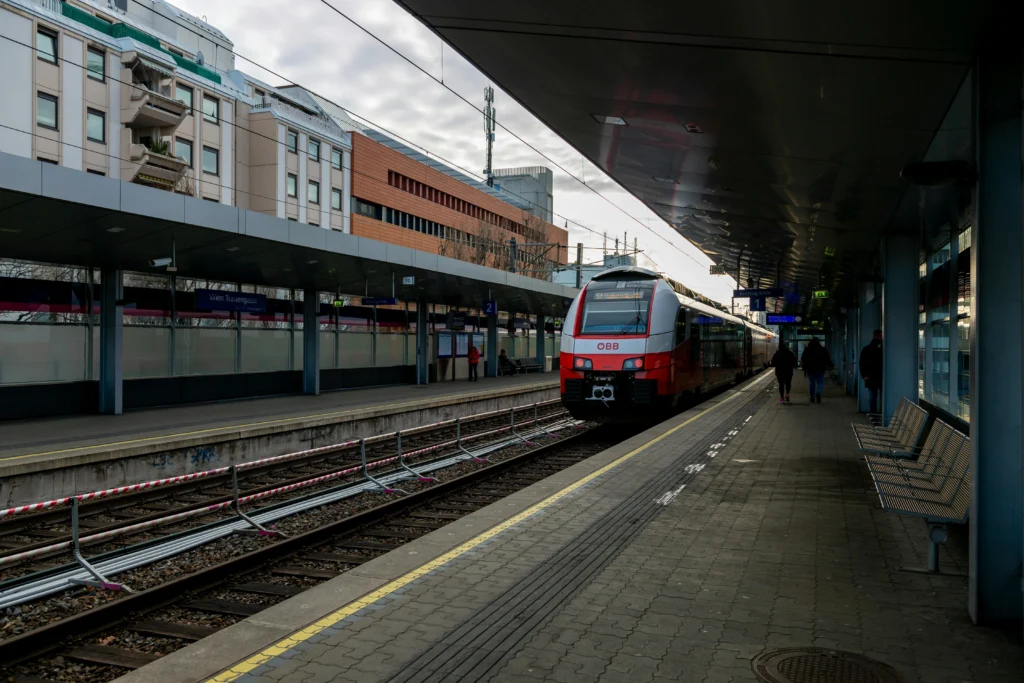
The landscape of European rail travel has received a significant technological upgrade with the official opening of a new specialized workshop in Obersiebenbrunn, located near Vienna. Developed by the international rail manufacturer Stadler in partnership with construction firm Strabag, this facility is designed to serve as a cornerstone for the maintenance of high-speed Westbahn trains and the commissioning of next-generation rolling stock. For the Austria tourism sector, this infrastructure investment represents more than just industrial growth; it is a vital step toward ensuring the reliability and comfort of the trans-European rail networks that bring millions of visitors to the heart of the continent.
During the opening ceremony held in mid-April 2026, officials emphasized that the facility is designed as a “hall for everyone.” While its immediate priority is supporting the Westbahn fleet, the workshop is uniquely positioned to offer servicing, certification, and technical support for a wide array of Stadler vehicles operated by various international carriers. According to official statements from Stadler Austria, this strategic move is a direct response to the increasing demands of a technologically sophisticated and highly congested rail network. By streamlining maintenance processes, the hub aims to reduce downtime for passenger trains, ensuring that travelers exploring the scenic routes between Vienna, Salzburg, and beyond experience fewer disruptions and higher service quality.
Enhancing the Passenger Experience Through Infrastructure
The opening of the Obersiebenbrunn facility aligns with broader Austrian government initiatives to promote sustainable travel. As Vienna continues to rank as one of the world’s most accessible cities by rail, the ability to maintain and certify rolling stock locally ensures that the latest innovations in passenger comfort and safety are integrated into the fleet more rapidly. Official tourism statistics indicate that a growing percentage of international visitors are choosing rail over short-haul flights, citing the environmental benefits and the high standard of Austrian rail infrastructure as primary motivators.
This new workshop is equipped with advanced diagnostics and repair technology, allowing for the precise servicing of complex electronic and mechanical systems. By hosting these services within the Vienna metropolitan area, the rail industry is effectively securing the backbone of the country’s tourism transit system. This ensures that the high-frequency services required during peak summer and winter seasons are supported by a resilient and ready fleet.
Strengthening the Backbone of European Rail Networks
Beyond the borders of Austria, the broader European rail industry is seeing a wave of modernization aimed at enhancing the efficiency of cross-border travel. In the Netherlands, infrastructure manager ProRail has announced the successful deployment of advanced optic fiber integrity monitoring technology across its 4,600 km backbone network. This system, implemented in collaboration with technical partners, allows for real-time monitoring of the rail network’s communications infrastructure. For the traveler, this means a significantly reduced risk of signal failures and communication delays, which are often the root cause of large-scale network interruptions.
Such technological investments are becoming the standard across the continent as nations work toward a unified and digitized European rail space. Official ministry statements from various EU member states suggest that these “invisible” infrastructure upgrades are the most critical factors in maintaining the competitiveness of rail travel against other modes of transport. When infrastructure is monitored with high-precision fiber optics, the entire network becomes more predictable and efficient, facilitating smoother transitions for international tourists moving between major European capitals.
Investing in the Future of Sustainable Mobility
The financial sector is also playing an increasingly active role in supporting the transition to sustainable rail tourism. Recent reports from international financial advisors highlight significant promotional loans—some reaching as high as €100 million—being funneled into rolling stock investment firms like Railpool. These funds are specifically earmarked for the acquisition and maintenance of sustainable rail mobility solutions. Official government communications suggest that these financial frameworks are essential for replacing aging diesel fleets with modern, electric, or hybrid alternatives that meet the stringent environmental standards of the 2026 travel era.
The integration of sustainable financing into the rail sector ensures that the growth of the industry is matched by a commitment to carbon reduction. For the global traveler, this translates into a cleaner, quieter, and more ethical way to explore the diverse landscapes of Europe. Whether it is through the deployment of new locomotives or the establishment of unified service brands like the newly consolidated Railserve, the industry is moving toward a more cohesive and user-friendly model.
Impact on Global Tourism Trends
The ripple effects of these developments are felt far beyond the rail yards. Efficient rail networks are a major driver of regional tourism, allowing visitors to reach less-explored areas outside of major urban centers. In Austria, the reliability of the Westbahn and Federal Railway services has allowed for the growth of “hidden gem” destinations in the Alpine regions, which rely on consistent train schedules to bring in guests.
As Stadler’s new Vienna-area workshop begins full operations, and as digital monitoring systems become the norm across the Netherlands and Germany, the future of European tourism looks increasingly tied to the rails. The commitment to maintaining a “hall for everyone” reflects a spirit of international cooperation that is necessary to handle the high volumes of modern global travel. With advanced technology, sustainable financing, and a focus on infrastructure resilience, the rail industry is ensuring that the journey remains a highlight of the travel experience for years to come. Travelers planning their 2026 itineraries can do so with the confidence that the systems supporting their transit are more robust, technologically advanced, and environmentally conscious than ever before.
For more travel news like this, keep reading Global Travel Wire