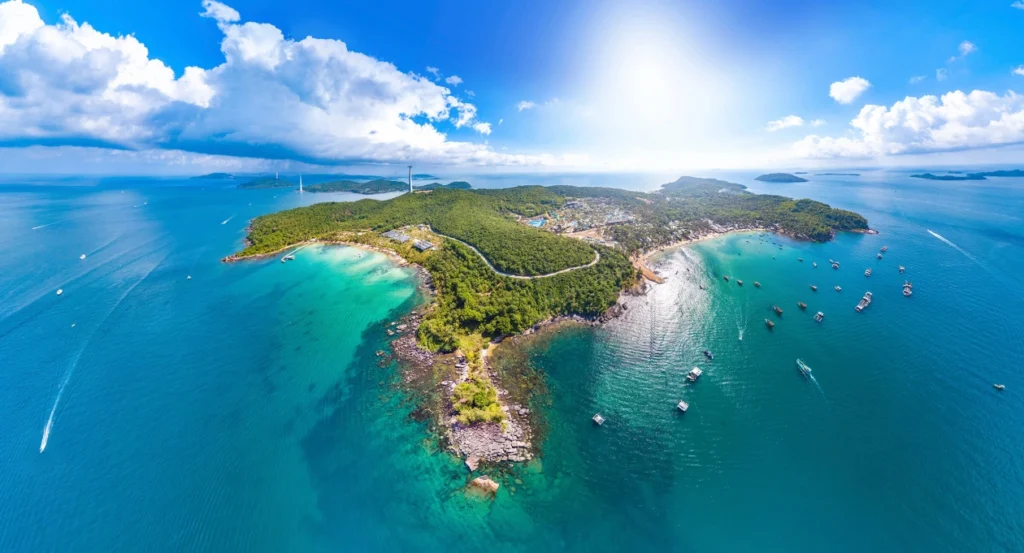
Vietnam’s island destination of Phu Quoc is entering a new era of global prominence after being confirmed as the host location for APEC 2027, a move that is accelerating major infrastructure, hospitality, and tourism developments across the tropical resort destination. The decision places Phu Quoc at the center of one of the Asia-Pacific region’s most influential economic gatherings and signals Vietnam’s growing ambitions in business travel, high-level diplomacy, and premium tourism.
Set in the Gulf of Thailand, Phu Quoc has long been known for beaches, luxury resorts, and nature-based tourism. Now, the island is rapidly evolving into a world-class platform for international conferences, executive travel, and trade events. Authorities and investors are moving quickly to ensure the destination can welcome heads of state, global executives, media delegations, and thousands of supporting attendees when the summit arrives in 2027.
Major Infrastructure Projects Gather Pace
Preparations for the summit are driving one of the most ambitious development phases in the island’s history. Key projects include the expansion of Phu Quoc International Airport, new road links, upgraded public spaces, and a large convention and exhibition center designed to host meetings on a global scale. Local authorities have also outlined plans for transport improvements that will strengthen long-term visitor access well beyond the summit itself.
For travelers, these upgrades are expected to bring smoother arrivals, improved mobility, and greater capacity during future peak seasons. For airlines, expanded airport infrastructure could unlock more direct routes from regional and long-haul markets, increasing Phu Quoc’s appeal as a year-round international gateway.
Hotel Supply Expands for Global Demand
Accommodation is a central pillar of APEC readiness, and Phu Quoc is responding with a wave of new hotel and resort development. Large-scale projects announced for the island include thousands of additional hotel rooms, serviced apartments, and branded luxury stays aimed at both summit delegates and leisure travelers. International operators are expected to play a growing role as the destination scales up to meet premium global demand.
The hospitality expansion is likely to create benefits long after the summit ends. More inventory can help Phu Quoc accommodate rising leisure arrivals, reduce sell-out pressure during holidays, and support the island’s ambition to compete with leading resort destinations across Southeast Asia.
MICE Tourism Becomes a Strategic Growth Engine
The APEC announcement has also strengthened Phu Quoc’s position in the lucrative MICE sector—meetings, incentives, conferences, and exhibitions. The island already combines resort appeal with improving business facilities, and the summit is expected to accelerate demand from corporations seeking destinations that blend work and leisure.
Modern ballrooms, flexible event venues, beachfront gala spaces, and executive retreat options are increasingly part of the destination’s tourism offer. This gives organizers the ability to host conferences, product launches, reward trips, and leadership gatherings in a setting that offers both efficiency and relaxation.
For Vietnam’s tourism economy, that matters. MICE travelers often spend more, stay in upscale hotels, and travel in shoulder seasons, making them a valuable segment for sustainable tourism growth.
Tourism and Trade Converge
Beyond tourism, APEC 2027 is expected to raise Phu Quoc’s profile as a gateway for investment and regional commerce. Vietnamese officials have described the event as a catalyst for trade, infrastructure, and economic development, not only for the island but also for the wider Mekong Delta region.
That convergence of tourism and trade can have lasting effects. Business visitors attending the summit may return later for leisure stays or investment opportunities, while global media exposure can introduce Phu Quoc to new markets that have yet to fully discover the island.
Nature Remains a Core Advantage
Even as development accelerates, Phu Quoc’s natural appeal remains one of its greatest strengths. The island is known for clear waters, marine experiences, tropical landscapes, and protected ecological zones. This balance of nature and modern hospitality gives the destination a competitive edge over urban conference cities.
For delegates and future travelers alike, the ability to pair high-level meetings with wellness escapes, beach downtime, golf, and outdoor activities creates a distinctive visitor experience. It also supports the trend toward bleisure travel, where business trips are extended for leisure purposes.
What It Means for Travelers
For visitors planning future trips, APEC preparations are likely to improve the overall travel experience through better infrastructure, broader flight access, more hotel choice, and enhanced tourism services. While demand may surge around the summit period itself, the long-term legacy should be a stronger and more globally connected destination.
For airlines, cruise operators, tour companies, and hotel investors, Phu Quoc is increasingly a market to watch. The island is no longer just a beach escape—it is becoming one of Asia’s most strategically important tourism stories.
As the countdown to 2027 continues, Phu Quoc is positioning itself as a destination where diplomacy, luxury travel, and economic ambition meet on Vietnam’s coastline.
For more travel news like this, keep reading Global Travel Wire