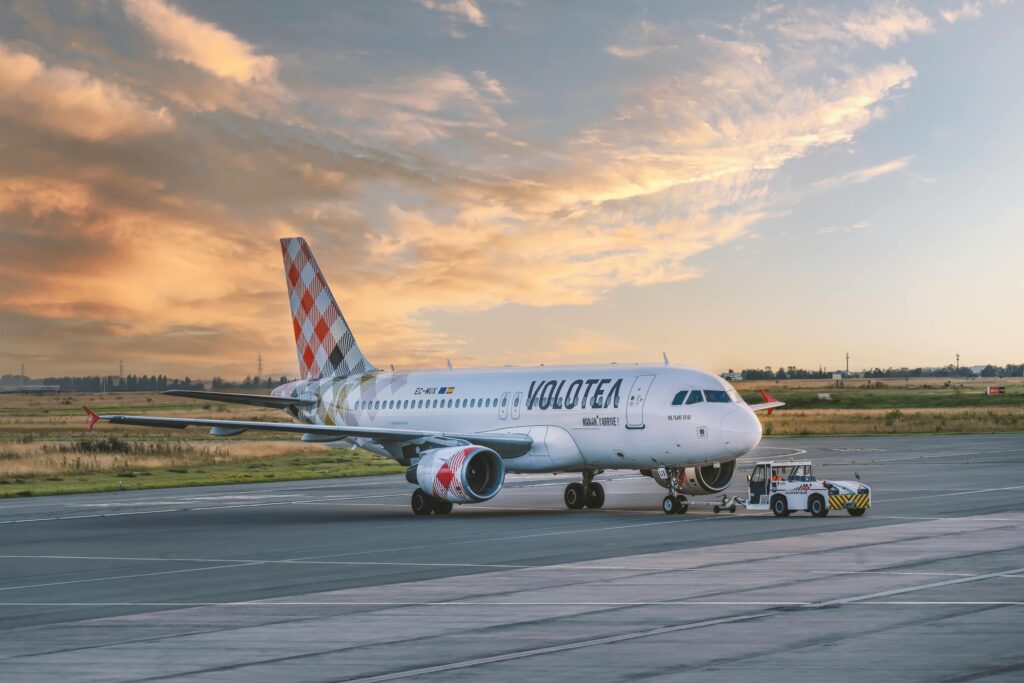
Air travelers could soon experience a major shift in how ticket prices are calculated, as Spanish low-cost carrier Volotea introduces a flexible airfare model that allows prices to change even after booking. The move comes amid rising global fuel costs and ongoing energy market uncertainty, factors that are increasingly influencing the cost of travel worldwide.
The airline announced that this temporary pricing strategy will apply to bookings made on or after March 16, 2026, reflecting a broader trend across the aviation industry where fuel volatility is directly impacting how airlines manage pricing and operations.
For tourists and frequent flyers, this development signals a new phase in travel planning where airfare may no longer remain fixed from the moment of purchase.
Why Airline Fares Are Becoming More Flexible
Fuel is one of the largest expenses for airlines, and fluctuations in oil prices can significantly affect operating costs. With recent disruptions in global energy supply chains, airlines are adjusting strategies to remain financially stable while continuing to offer competitive fares.
Volotea’s approach introduces a dynamic pricing adjustment based on fuel market conditions shortly before departure. This means that airfare may increase or decrease depending on the cost of fuel at that time.
According to the airline’s official announcement, this is not a fixed surcharge system but a temporary measure designed to respond to exceptional global conditions while maintaining transparency with passengers.
For travelers, this reflects a shift toward more flexible and responsive pricing models in the aviation sector.
How the New Pricing Model Works
Under the updated system, airfare adjustments will be calculated based on fuel prices approximately one week before departure. If fuel costs rise, passengers may be required to pay a small additional fee. If fuel costs fall, travelers may receive a refund.
The airline has stated that any increase will be capped, ensuring that changes remain limited and predictable. At the same time, the company has committed to refunding customers if fuel prices decrease, offering a two-way pricing adjustment that is relatively uncommon in the industry.
Passengers will receive advance notifications if any changes are applied to their booking, allowing them to make informed decisions before their travel date.
What This Means for Tourists
For travelers planning holidays, city breaks, or business trips, this new model introduces both flexibility and uncertainty. While the possibility of lower fares is appealing, the chance of additional charges may influence how and when people book flights.
Tourism experts suggest that travelers may start paying closer attention to:
- Fuel price trends
- Booking timelines
- Flexible ticket options
- Airline policies on changes and refunds
- Travel insurance coverage
The ability to modify or cancel bookings close to departure becomes more valuable in this environment, especially for those planning trips during periods of high demand or market instability.
A Wider Industry Trend Emerging
Volotea’s pricing strategy reflects a broader shift across the airline industry. Rising fuel costs have already led several airlines to introduce additional fees, adjust baggage policies, or revise ticket pricing structures.
Airlines in North America and Europe have recently taken steps to offset higher operating expenses, with some carriers increasing ancillary charges or adjusting fare categories.
Tourism authorities note that airlines are balancing two priorities: maintaining affordable travel options and ensuring operational sustainability in a challenging economic environment.
As global travel demand remains strong, airlines are seeking new ways to manage costs without significantly reducing capacity.
Impact on Travel Planning in 2026
The introduction of flexible airfare adjustments may influence traveler behavior throughout 2026. Passengers may become more strategic in their booking decisions, choosing airlines that offer clear policies and flexible options.
Destinations that rely heavily on budget airlines could also see changes in booking patterns, particularly if travelers delay purchases or opt for alternative routes.
At the same time, the potential for fare reductions could encourage last-minute travel if fuel prices ease, creating opportunities for spontaneous trips and off-peak tourism growth.
Tour operators and travel agencies are expected to adapt by offering more flexible packages and updated pricing strategies to align with airline changes.
The Role of Global Energy Markets
The aviation industry remains closely tied to global energy markets, and recent geopolitical developments have highlighted this connection. Disruptions in key oil supply routes have increased uncertainty, affecting fuel availability and pricing.
Tourism stakeholders are monitoring these developments closely, as fuel costs influence not only airfare but also cruise operations, transport services, and overall travel expenses.
Stable energy markets are essential for maintaining predictable travel pricing and supporting long-term tourism growth.
Balancing Affordability and Stability
Volotea has emphasized that its new pricing model is designed to balance affordability with operational stability. By adjusting fares in response to fuel costs, the airline aims to avoid larger price increases while continuing to operate efficiently.
For travelers, this approach may offer a more transparent link between global conditions and ticket pricing, even if it introduces some variability.
The airline has also highlighted its commitment to customer flexibility, allowing passengers to make changes or cancel bookings shortly before departure under its updated policy framework.
What Travelers Should Do Now
As airline pricing evolves, travelers can take steps to navigate the changing landscape:
- Monitor airline policies before booking
- Choose flexible fare options where possible
- Stay updated on travel notifications
- Book early for peak travel seasons
- Consider destinations with multiple airline options
Being informed and adaptable will help travelers make the most of their plans while minimizing unexpected costs.
A New Era for Airline Pricing
Volotea’s flexible airfare model represents a significant shift in how airlines respond to global challenges. As fuel costs continue to fluctuate, similar strategies may be adopted by other carriers seeking to maintain balance between pricing and operations.
For the tourism industry, this marks a transition toward more dynamic travel economics, where fares reflect real-time conditions rather than fixed assumptions.
While the change may require travelers to adjust their expectations, it also highlights the resilience of the aviation sector and its ability to adapt in a rapidly evolving global environment.
As 2026 unfolds, airline fares will remain a key factor shaping travel decisions, with flexibility and transparency becoming increasingly important for both airlines and passengers.
For more travel news like this, keep reading Global Travel Wire