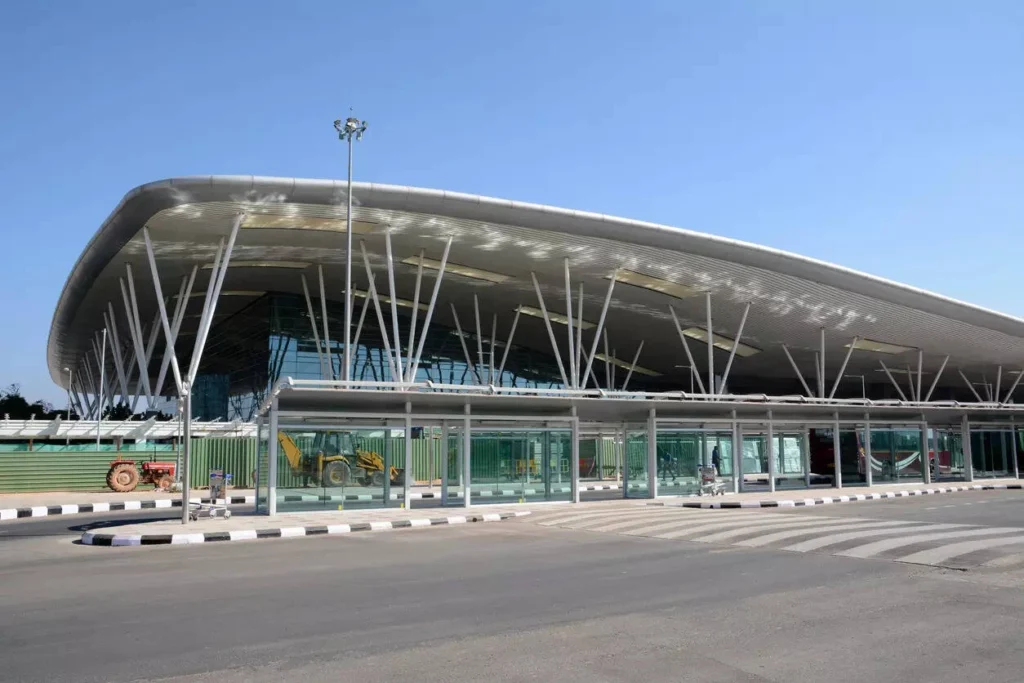
Kempegowda International Airport in Bengaluru is preparing to introduce fully automated passenger processing for international travel, a move that could redefine the airport experience in India and strengthen the country’s position in the global aviation market. By deploying biometric systems, artificial intelligence and self-service technologies, the airport aims to reduce waiting times, improve security and create a faster, more seamless journey for millions of passengers.
The upgrade reflects India’s broader push to modernize airport infrastructure under national digital transformation goals. As international demand rises and carriers expand routes into India, efficient and scalable airport systems are becoming increasingly important for tourism, business travel and long-term economic growth.
Major Leap for Passenger Experience
Airports are often the first and last impression of a destination. Faster processing, clearer systems and smoother movement through terminals can significantly improve how travelers perceive a city and country.
At Bengaluru’s main gateway, the new automated model is designed to simplify every stage of the journey, from check-in to boarding. For international passengers, this can mean less time in queues, fewer manual checks and more predictable transit times.
For airlines, smoother airport flow can improve punctuality and support higher passenger volumes without equivalent increases in congestion.
Biometric Travel Without Paper Bottlenecks
A key part of the transformation is the use of biometric identification, including facial recognition. Instead of repeatedly presenting paper documents, travelers will be able to move through multiple checkpoints using secure digital identity verification.
This approach is already gaining traction at leading airports worldwide because it combines convenience with stronger identity assurance. Faster identity checks can reduce bottlenecks at security and immigration while helping staff focus on exceptions rather than routine processing.
For frequent flyers and business travelers, time savings can be especially valuable on tight schedules.
Self Check-In and Bag Drop
The airport is also introducing automated check-in kiosks and self-bag drop systems. These tools allow passengers to complete tasks independently without waiting for staffed counters, especially useful during peak departure waves.
Self-service technology has become a standard expectation at major hubs because it offers flexibility and can reduce stress for travelers who prefer speed and control over their journey.
For airport operators, it also frees staff to assist passengers who need more personalized support.
AI-Powered Security Screening
Security remains one of the most critical parts of the airport process, and Bengaluru’s new systems will include AI-powered screening tools designed to analyze baggage and detect risks more efficiently.
Advanced algorithms can help identify anomalies faster and support more consistent decision-making. The result can be stronger security performance combined with quicker throughput, a balance airports around the world are trying to achieve.
For passengers, that can translate into shorter lines without compromising safety.
Smart Passenger Flow Management
Another major feature is integrated passenger flow management. Real-time monitoring systems can assess crowd levels across check-in areas, security lanes and boarding zones, then adjust operations or redirect passengers when congestion builds.
This type of dynamic management is particularly important in fast-growing markets where traffic volumes can change quickly due to multiple simultaneous departures or delays.
A better-managed terminal improves traveler comfort and helps maintain on-time performance.
Boost for India’s Global Aviation Ambitions
India is one of the world’s fastest-growing aviation markets, and modern airports are central to its ambitions to become a leading international hub. Bengaluru already serves as a major technology and business center, making strong air connectivity essential.
By investing in smart infrastructure, Kempegowda International Airport can compete more effectively with established Asia-Pacific hubs known for efficiency and innovation. Better airport experiences can also influence airline decisions when evaluating route expansion and partnerships.
Tourism and Economic Benefits
Improved airport systems often generate benefits far beyond the terminal. Faster processing can attract more travelers, support additional flights and encourage repeat visits.
That can benefit hotels, convention centers, restaurants, ride services and attractions across Bengaluru and beyond. For business travel, easier arrivals and departures strengthen the city’s appeal for conferences, investment and international events.
Operational efficiencies may also reduce costs over time, creating broader value for airlines and travelers alike.
A Model for Other Indian Airports
The Bengaluru rollout could become a blueprint for future modernization across India. Other major gateways in Delhi, Mumbai, Kolkata and elsewhere are also expected to continue investing in biometrics, automation and AI-led passenger systems.
As more airports upgrade, India’s entire travel ecosystem could become faster, more connected and more competitive.
Looking Ahead
Kempegowda International Airport’s automated international travel systems mark a major step toward the future of flying in India. By combining biometrics, AI and smart operations, Bengaluru is creating a passenger experience built for rising demand and global expectations.
For travelers, it means quicker and smoother journeys. For India, it signals growing confidence as a modern aviation powerhouse ready to compete on the world stage.
For more travel news like this, keep reading Global Travel Wire