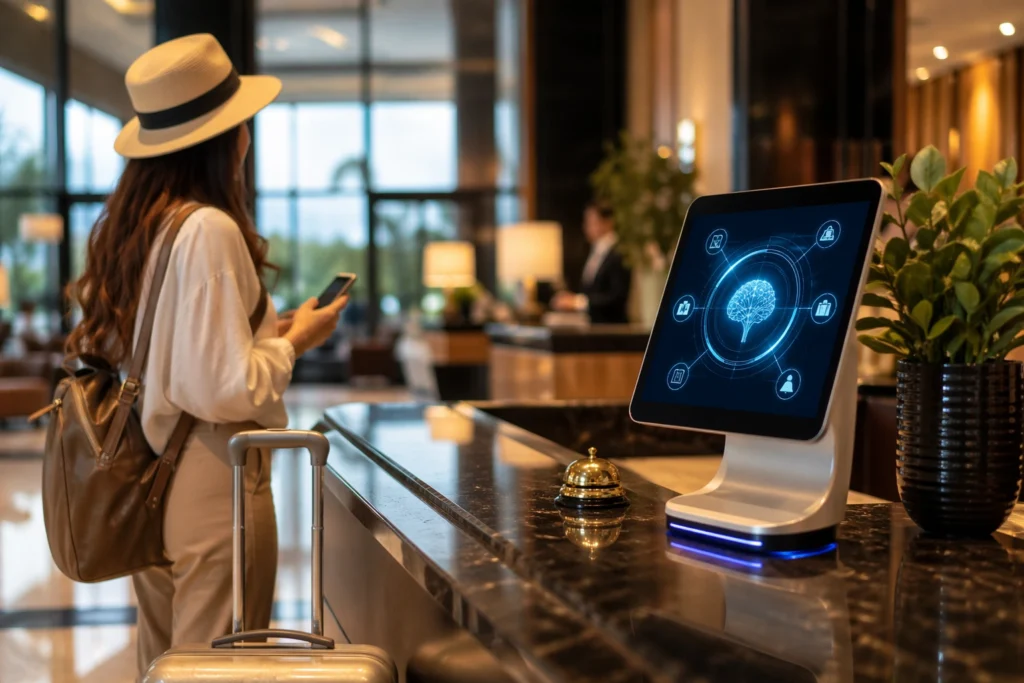
Hotels worldwide are facing a new competitive threat as travelers increasingly turn to AI-powered search tools for trip discovery and decision-making. Industry analysts say the shift is changing how guests choose accommodation, reducing the influence of traditional search engines and forcing hotels to rethink digital visibility strategies or risk losing bookings.
For years, hotel marketing centered on search engine rankings, paid ads, and online travel agency placement. Now, AI platforms are entering the earliest stages of the booking journey, where travelers ask conversational questions, compare options, and build shortlists before they ever visit a hotel website. That means brands absent from AI recommendations may never enter the traveler’s consideration set.
AI Search Is Reshaping Travel Discovery
The biggest change is happening at the inspiration stage. Instead of typing keywords into a search engine, travelers are asking AI tools for tailored advice such as where to stay for families, best boutique hotels near attractions, or top-value beach resorts within a budget.
These systems deliver curated responses rather than long lists of links. As a result, visibility is no longer only about ranking high on a search page. It is about being selected by AI as a relevant answer.
According to the information provided, a growing share of travelers used generative AI tools for planning in late 2025, with adoption rising sharply since 2022. That rapid growth signals a structural shift rather than a passing trend.
Why Hotels Risk Losing Direct Bookings
When AI tools shape the shortlist, hotels that fail to appear can lose both direct bookings and brand awareness. Travelers may book competitors simply because those properties were surfaced first in an AI-generated response.
This creates pressure on independent hotels and smaller groups that rely heavily on organic discovery. Large chains with stronger data systems and broader digital footprints may gain an early advantage unless smaller operators adapt quickly.
The risk extends beyond room nights. Missing from discovery stages can reduce revenue from restaurants, spas, events, upgrades, and loyalty sign-ups linked to direct reservations.
Traditional SEO Alone Is No Longer Enough
Search engine optimization still matters, but it is no longer sufficient on its own. AI systems do not rely solely on backlinks, keyword density, or classic ranking signals. Instead, they prioritize content that is clear, structured, consistent, and easy to interpret.
That means a hotel with strong traditional SEO but poor data quality may underperform in AI search environments. Meanwhile, a property with accurate listings, detailed amenities, and clearly organized information may gain stronger visibility.
For hospitality marketers, the challenge is no longer just how to rank. It is how to be understood.
What Hotels Need to Do Now
To remain competitive, hotels are being urged to overhaul digital strategies around machine-readable content and trust signals.
Key priorities include:
- Accurate property details across all platforms
- Consistent address, contact, and location information
- Structured data and schema markup
- Clear descriptions of rooms, amenities, and experiences
- Strong review management with detailed guest feedback
- Up-to-date imagery and booking information
These improvements help AI systems identify what makes a hotel relevant to specific traveler requests.
For example, if a traveler asks for a family-friendly hotel with airport access and breakfast included, AI tools need clean data to match that intent accurately.
Reviews and Reputation Gain More Influence
Guest reviews are becoming even more valuable in an AI-first environment. Rich, specific feedback about service, cleanliness, food quality, accessibility, or neighborhood convenience can strengthen how a property is interpreted.
Generic marketing language may matter less than authentic guest experiences expressed in natural language. That is because AI systems often evaluate context, sentiment, and recurring themes when identifying strong recommendations.
For hotels, reputation management is no longer just about star ratings. It is about the quality of the story customers tell.
Hospitality Marketing Enters a New Era
The rise of AI search is also transforming hotel marketing strategy. Instead of focusing only on how users find a website, brands must think about how travelers phrase needs and how AI tools respond.
That requires more proactive content creation. Hotels may need destination guides, experience-led landing pages, seasonal travel advice, and clearer answers to common guest questions.
Properties that align content with real traveler intent can improve chances of being recommended early in the planning cycle.
Winners and Losers in the AI Travel Race
Hotels that move quickly could gain market share, especially in competitive urban and resort destinations where discovery drives high booking volumes. Those that delay may become less visible over time, even if they offer strong products.
The opportunity is especially significant for destinations investing in tourism growth. Better digital visibility can help hotels capture international demand, shoulder-season travelers, and high-value niche segments such as wellness, family, or luxury travel.
The Bottom Line
The hospitality industry is entering an AI-first search era where visibility increasingly determines commercial success. Travelers are changing how they plan, compare, and book. That shift is already influencing where demand flows.
For hotels, the message is urgent: relying on yesterday’s digital strategy is no longer enough. Brands that improve data quality, content clarity, and AI readiness can stay competitive. Those that do not risk disappearing before the booking journey truly begins.
For more travel news like this, keep reading Global Travel Wire