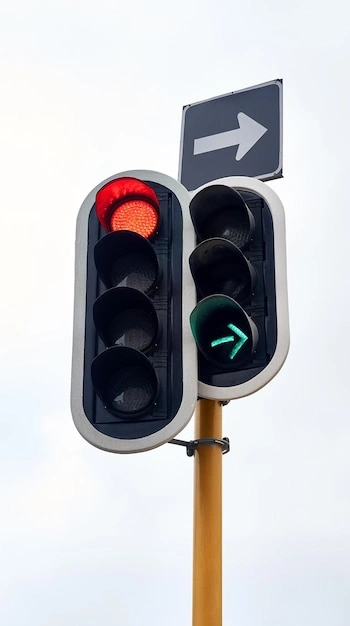
Ahmedabad has introduced a new AI-driven traffic control system aimed at reducing congestion, improving travel efficiency, and creating a smoother experience for commuters and visitors across the city. Officially launched on April 25, 2026, the technology uses real-time traffic data from sensors and cameras to automatically adjust signal timings based on road conditions, helping traffic move more efficiently through busy intersections.
The rollout marks a significant step in Ahmedabad’s urban modernization strategy as one of India’s fastest-growing cities. With rapid population growth, rising vehicle numbers, and increasing tourism demand, the need for smarter mobility solutions has become more urgent. The new system is designed not only to ease daily travel stress for residents but also to improve access to attractions, business districts, and transport corridors for travelers.
For a city balancing heritage tourism with modern expansion, efficient movement is becoming a key part of the visitor experience.
How the AI Traffic System Works
At the center of the project is Adaptive Traffic Control Technology, powered by artificial intelligence. Sensors and cameras installed at major intersections collect live data including vehicle counts, traffic speed, and congestion levels. The system then analyzes conditions in real time and adjusts green and red signal durations accordingly.
If one side of an intersection experiences a sudden surge in traffic, the green light can be extended to clear queues more quickly. If traffic volumes are lower, the signal cycle can shorten to keep vehicles moving instead of waiting unnecessarily.
The technology also considers pedestrian crossing requirements, aiming to improve both traffic flow and road safety. By balancing the needs of drivers and pedestrians, Ahmedabad is moving toward a more responsive and user-friendly transport model.
Faster Journeys for Residents and Visitors
For everyday commuters, the biggest gain is expected to be shorter travel times and fewer frustrating delays at traffic signals. Reduced stop-start traffic can make routine journeys more predictable, particularly during morning and evening rush hours.
For tourists, the benefits could be equally significant. Ahmedabad is home to major cultural and heritage attractions that draw visitors throughout the year, including Sabarmati Ashram, Adalaj Stepwell, Kankaria Lake, Jama Masjid, and Bhadra Fort. Better traffic flow means easier movement between these sites, allowing travelers to spend more time exploring and less time sitting in vehicles.
That convenience can be especially valuable for short-stay visitors, day-trippers, and business travelers with limited time in the city.
Travel agencies, guided tour operators, and private transport providers may also benefit from more reliable journey times and improved itinerary planning.
Tourism Impact Across the City
Efficient transport often plays a major role in tourism competitiveness. When visitors can move easily between attractions, shopping districts, restaurants, and hotels, overall satisfaction tends to rise.
Ahmedabad offers a diverse travel mix that includes UNESCO-recognized heritage areas, local markets such as Law Garden, lakeside leisure zones, museums, and civic landmarks. Improved road movement can help distribute visitor activity more evenly across the city instead of concentrating demand in a few areas.
This can create broader economic opportunities for local businesses, cafés, retail stores, cultural venues, and neighborhood attractions that rely on visitor spending.
Environmental Benefits Support Sustainable Travel
The AI traffic system also supports Ahmedabad’s environmental goals. By reducing idle time at intersections and minimizing unnecessary stop-and-go driving, the technology is expected to lower fuel consumption and reduce emissions.
That is increasingly important as travelers become more aware of sustainability and seek destinations investing in greener urban infrastructure. Cleaner, more efficient transport networks can strengthen a city’s reputation among eco-conscious visitors and residents alike.
For Ahmedabad, the project demonstrates how technology can improve urban life while supporting responsible tourism growth.
Part of the Smart City Vision
The new traffic system forms part of Ahmedabad’s wider smart city development agenda. As one of the cities included in India’s Smart Cities Mission, Ahmedabad has been adopting data-driven solutions to improve infrastructure, public services, and mobility.
Using AI for traffic management places the city among a growing number of urban centers globally that are turning to automation and analytics to solve congestion challenges. It also creates a model that other Indian cities may watch closely if results prove successful.
What Comes Next
Officials are expected to monitor the system closely as the rollout continues, with plans to expand coverage to more high-traffic areas and refine operations based on real-world conditions. Future upgrades could include stronger integration with buses, metro services, and broader city transport planning.
If successful, Ahmedabad’s AI traffic control system could become a blueprint for smarter mobility across India.
For now, the city has taken a bold step toward faster journeys, cleaner streets, and a more seamless experience for everyone who travels through it.
For more travel news like this, keep reading Global Travel Wire