London is emerging as a leading hub in the global travel technology race in 2026 as major brands including Virgin Atlantic, GetYourGuide, and ATPCO unveil new tools designed to transform how travelers search, compare, and book trips. The latest wave of innovation signals a broader shift across aviation and tourism, where artificial intelligence, immersive content, and smarter digital retailing are becoming central to customer experience strategies.
For millions of travelers planning holidays, reunions, and business journeys, the new services could make trip planning faster, more personalized, and significantly less stressful. Instead of navigating multiple websites and platforms, users are increasingly being offered streamlined tools that simplify decisions and reduce friction from inspiration to booking confirmation.
London at the Center of a New Travel Era
As one of the world’s most connected aviation and tourism markets, London is well placed to lead this next chapter of digital travel. The city is home to global airlines, travel startups, distribution technology providers, and one of the largest outbound travel markets in Europe.
The newest announcements show how travel brands are responding to changing consumer behavior. Today’s travelers expect instant answers, tailored recommendations, mobile-first experiences, and visual confidence before they commit to spending. Companies that can meet those expectations are gaining an important competitive edge.
The result is a travel marketplace where technology is no longer just a support tool. It is now at the center of growth, loyalty, and revenue strategies.
Virgin Atlantic Brings Flight Search into ChatGPT
Virgin Atlantic has taken a bold step by launching an integrated flight search experience within ChatGPT, allowing customers to explore fares and routes using natural language prompts. Travelers can ask simple questions such as finding flights to Barbados next month or premium options to New York within a specific budget.
Instead of traditional filters and multiple search screens, users receive clear options in a conversational format before being directed to complete their booking through Virgin Atlantic’s own digital channels.
The move highlights how airlines are adapting to where customers already spend time online. Rather than waiting for users to visit an airline website first, carriers are now meeting travelers inside AI environments that are rapidly becoming part of everyday digital life.
For the airline sector, this could mark an important evolution in distribution, customer acquisition, and brand engagement.
GetYourGuide Gives Local Operators Stronger AI Tools
GetYourGuide is also reshaping the tourism marketplace with new supplier tools aimed at helping tour guides and experience operators improve performance and grow bookings.
The latest upgrades include AI-powered dashboards, flexible pickup settings, and automated reply suggestions that can help businesses respond faster to customer questions. For smaller operators, these features could be especially valuable.
Many local guides and independent tour companies do not have access to advanced analytics or large customer service teams. Smarter digital tools can help level the playing field, allowing them to optimize products, improve response times, and compete more effectively in a crowded marketplace.
That matters for destinations worldwide because local operators are often the backbone of visitor experiences, from walking tours and food trails to cultural workshops and adventure activities.
ATPCO Enhances Flight Shopping with Rich Content
ATPCO, a major force in airline retailing data and content, is also helping redefine how consumers choose flights. Its Routehappy Virtual Tours product offers visual previews such as cabin imagery, onboard amenities, and experience details that help travelers understand what they are buying before checkout.
The content is being integrated by major travel sellers including SAP Concur, Navan, Fareportal, and AmTrav, extending its reach across corporate and leisure booking channels.
This reflects a major trend in aviation retail: customers increasingly want more than price and schedule comparisons. They also want to know what the seat looks like, what services are included, and whether the experience matches their expectations.
As airlines continue to unbundle products and offer more fare choices, rich content can become a decisive factor in conversion and customer satisfaction.
Partnerships Accelerate Smarter Travel Commerce
Beyond individual launches, strategic partnerships are also driving the industry forward. Travelport has extended its relationship with Webjet through 2029, supporting access to personalized fares and ancillary products.
Meanwhile, payment specialists such as Adalte and Repayd are simplifying cross-border transactions for tours and travel services through merchant-of-record solutions. Cloud-based travel platforms including Spotnana are expanding internationally through partnerships that strengthen their reach and booking capabilities.
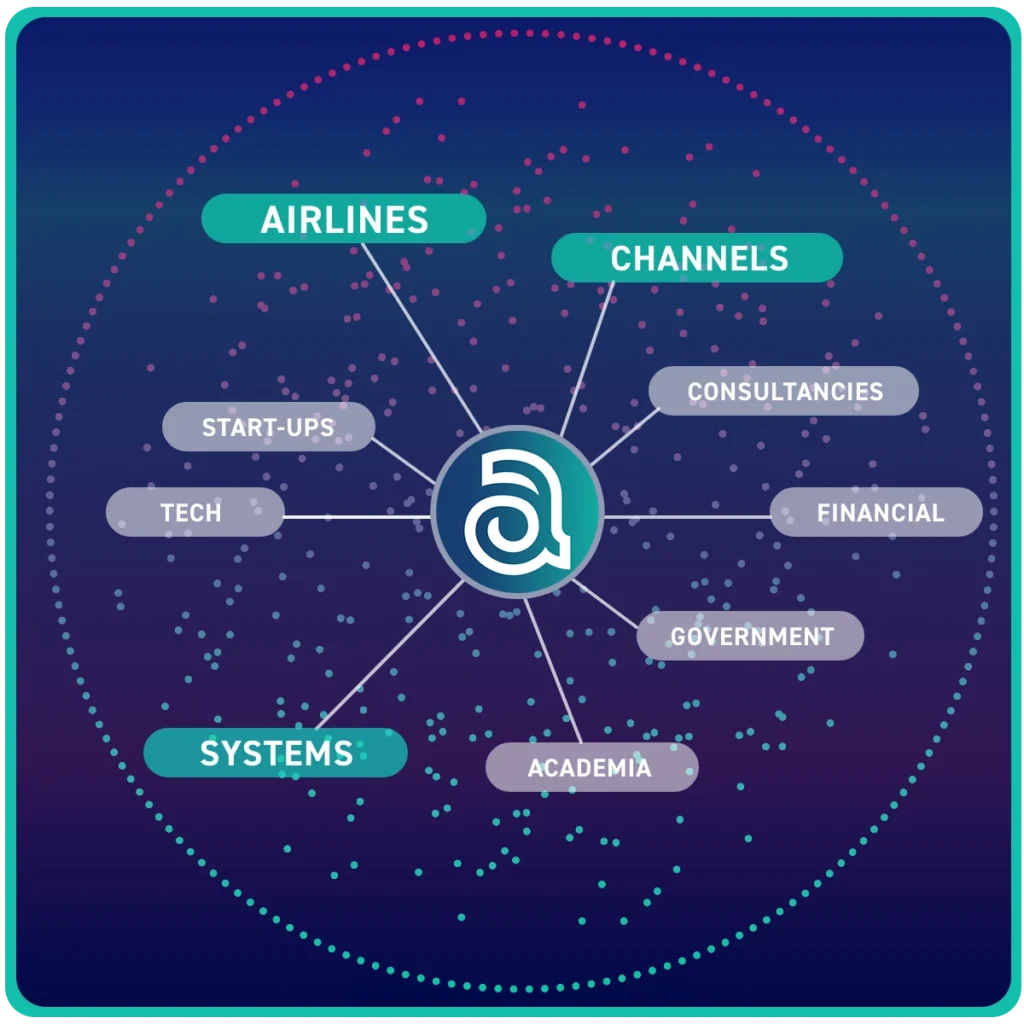
Together, these moves show that travel innovation increasingly depends on connected ecosystems rather than isolated platforms. Airlines, tour providers, payment firms, and technology companies are building networks that can deliver smoother end-to-end journeys for customers.
Why It Matters for Travelers
For consumers, the impact could be immediate. Faster search tools reduce planning time. Better visuals increase confidence before purchase. AI support can simplify complex choices. Stronger payment systems reduce checkout friction. More efficient supplier tools can improve service on the ground.
After years of disruption and uncertainty, travelers are once again prioritizing meaningful journeys. They want technology that saves time, removes stress, and helps them discover better options.
Outlook for 2026
The latest developments from Virgin Atlantic, GetYourGuide, and ATPCO suggest that 2026 could become a defining year for digital travel transformation. London may be leading this moment, but the ripple effects are global.
As competition intensifies, travelers stand to benefit most. The future of booking is becoming smarter, faster, and more human-centered—turning trip planning from a chore into the first exciting step of the journey.
For more travel news like this, keep reading Global Travel Wire