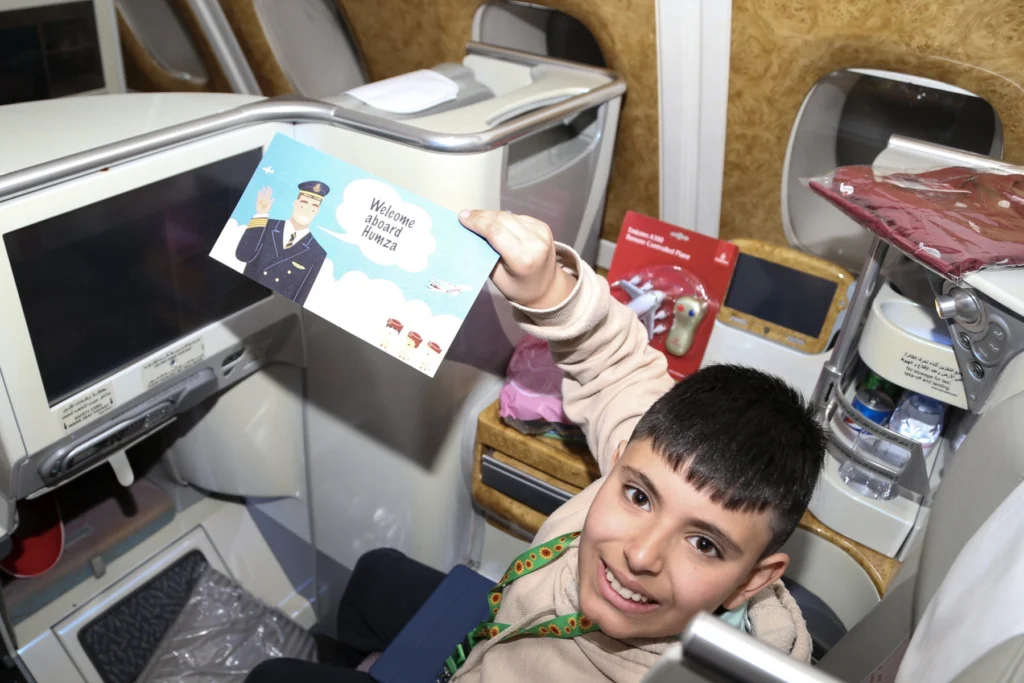
Emirates has expanded its pioneering Travel Rehearsal Programme to more countries including Norway and Spain, strengthening its global push to make flying more accessible for neurodiverse passengers. The initiative, designed to help individuals with autism become familiar with the airport journey before a real trip, now stretches across a growing network of destinations in Europe and beyond.
The expansion places Emirates at the forefront of inclusive aviation at a time when accessibility is becoming a higher priority for travelers, airports, and tourism authorities worldwide. By offering guided practice sessions in real airport environments, the programme helps reduce anxiety, build confidence, and support families who may previously have found air travel overwhelming or difficult to consider.
For the travel industry, it is a clear sign that future growth depends not only on new routes and technology, but also on making journeys easier for every type of passenger.
What the Programme Does
The Travel Rehearsal Programme simulates key stages of a real journey in a calm and controlled environment. Participants can experience check-in procedures, security screening, immigration areas, departure lounges, gate processes, and in some locations, onboard aircraft familiarization.
The goal is to remove uncertainty from the travel process. Airports can be highly stimulating environments with crowds, noise, changing routines, and multiple checkpoints. For many autistic travelers, these elements can create stress or sensory overload.
By practicing the journey in advance, passengers and their families gain a clearer understanding of what to expect on travel day. Familiarity can significantly improve comfort and confidence when taking an actual flight.
Spain and Norway Join a Growing Network
The addition of Spain and Norway marks another important phase in the programme’s international rollout. Spain’s participation is especially significant given its role as one of Europe’s largest tourism markets and a key destination for global visitors. Expanding access in Spanish-speaking markets also broadens the programme’s reach for families seeking more inclusive travel support.
Norway’s inclusion adds momentum in Northern Europe, where accessibility and traveler wellbeing continue to be important priorities across the tourism and transport sectors.
The programme now operates in more than 40 cities worldwide, including major gateways such as London, Madrid, Barcelona, Oslo, Athens, Brussels, Dublin, Istanbul, Paris, Rome, Sydney, Delhi, Dubai, Hong Kong, and Orlando.
That scale makes it one of the most visible accessibility initiatives currently operating in commercial aviation.
Why It Matters for Families
For many families with autistic children or neurodiverse relatives, travel planning often involves concerns that other passengers may never need to consider. Sensory triggers, communication barriers, unexpected changes, and crowded spaces can turn a holiday into a source of anxiety before it even begins.
The rehearsal model helps shift that experience. Instead of facing the unknown, families can prepare gradually with support from trained staff in a low-pressure setting.
Many parents report that confidence grows significantly when children know what the airport looks like, where they need to go, and what happens next. That reassurance can open the door to family holidays, reunions, educational trips, and visits that may once have felt out of reach.
A Competitive Advantage in Inclusive Tourism
Accessible travel is no longer a niche topic. It is an increasingly important part of mainstream tourism strategy as destinations and travel brands recognize the economic and social value of serving diverse traveler needs.
Airlines that invest in inclusion can strengthen customer loyalty, improve brand trust, and attract families seeking supportive travel environments. For destinations, easier access means broader visitor markets and stronger tourism participation.
Emirates’ programme also aligns with wider efforts across the travel sector to create seamless experiences for passengers with visible and invisible disabilities.
Training Behind the Initiative
A core part of the programme’s success is staff readiness. Emirates has invested heavily in autism awareness training for cabin crew and ground employees, helping teams better understand sensory sensitivities, communication preferences, and how to provide personalized assistance.
According to the provided information, more than 35,000 employees have completed autism awareness training. That scale of workforce preparation helps ensure support extends beyond rehearsal sessions and into the real travel experience itself.
Training is often the difference between a policy on paper and a genuinely welcoming journey in practice.
What Comes Next
Emirates plans to continue expanding the Travel Rehearsal Programme in partnership with airports, schools, and autism support organizations. Additional tools such as sensory resources, virtual guidance, and more inclusive onboard environments may also form part of future development.
As more destinations join the network, the initiative could help set a new benchmark for the aviation industry.
For travelers and families who have long faced invisible barriers, that progress means more than convenience. It means greater freedom to explore the world with confidence, dignity, and support.
For more travel news like this, keep reading Global Travel Wire