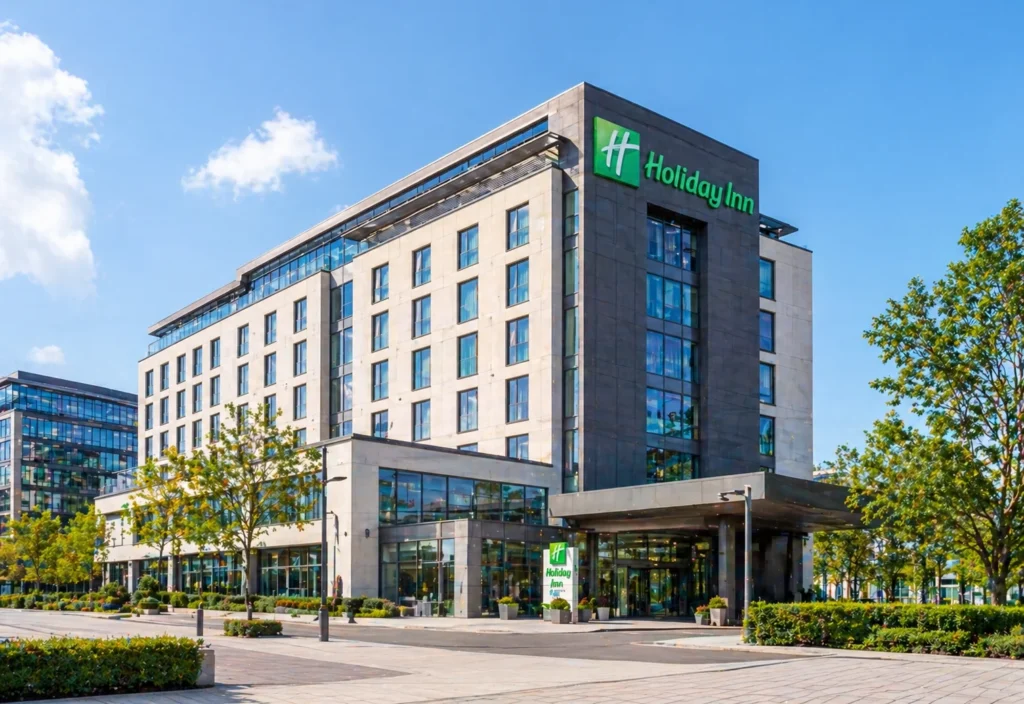
IHG Hotels & Resorts has announced a major European growth move with a new portfolio of 11 hotels across Germany, Belgium, and France. The expansion will add more than 1,800 rooms to the company’s regional network and strengthen its presence through the Holiday Inn, voco, and Garner brands.
The hotels are expected to join IHG’s system during the first half of 2027, marking another significant step in Europe’s post-pandemic tourism and hospitality recovery. For travelers, the announcement means more accommodation choices in key city centers and major airport locations. For the tourism industry, it reflects continued investor confidence in Europe’s strong travel demand and hotel market potential.
As international tourism rebounds and business travel steadily returns, global hotel groups are increasingly investing in flexible, conversion-led growth strategies that bring recognized brands into high-demand destinations.
11 Hotels Across Three Key European Markets
The newly announced portfolio includes properties in three of Europe’s most important tourism and business markets.
The expansion covers:
- Germany: 6 hotels with 1,125 rooms
- Belgium: 4 hotels with 497 rooms
- France: 1 hotel with 186 rooms
These locations include major urban and gateway destinations such as Leipzig, Bremen, Wiesbaden, Brussels Airport, Brussels city center, and Paris Charles de Gaulle Airport.
By focusing on cities with strong leisure and corporate demand, IHG is targeting markets where year-round occupancy potential remains high.
Why Germany Is a Priority Market
Germany continues to be one of Europe’s strongest hotel markets due to its balanced mix of business travel, domestic tourism, trade fairs, and city breaks. Destinations such as Leipzig, Bremen, and Wiesbaden attract visitors for culture, events, corporate travel, and regional tourism.
The addition of six hotels in Germany will further strengthen IHG’s footprint in the country. Recognized international hotel brands often perform well in Germany because travelers value consistency, loyalty benefits, and convenient locations.
Germany’s central position within Europe also makes it an important hub for rail, road, and air connectivity, helping support stable hotel demand across multiple traveler segments.
Belgium Gains New City and Airport Hotels
Belgium will receive four new hotels, including properties near Brussels Airport and in Brussels city center. This is strategically important because Brussels serves as a major center for international institutions, conferences, diplomatic travel, and short city breaks.
Airport hotels remain especially valuable in the tourism sector because they serve transit passengers, early departures, late arrivals, and business travelers needing quick access.
City center hotels, meanwhile, benefit from demand linked to sightseeing, meetings, events, and weekend tourism.
The expansion will also introduce new brand options in Belgium’s midscale hospitality segment, giving travelers more price points and styles of stay.
Paris Airport Presence Strengthens in France
France will add one new property near Paris Charles de Gaulle Airport, one of Europe’s busiest international aviation gateways. Airport-adjacent hotels are a critical part of tourism infrastructure, supporting long-haul travelers, stopovers, airline crews, and business visitors.
Paris remains one of the world’s most visited cities, and accommodation near major airports is essential for handling high passenger flows. A branded hotel in this location can appeal to both leisure tourists and corporate guests seeking convenience before or after travel.
The move also strengthens IHG’s presence in France, where demand remains strong across urban, resort, and transport-linked destinations.
More Choice for Travelers
One of the biggest benefits of the expansion is greater consumer choice. The three brands involved target different traveler needs:
- Holiday Inn: Trusted mainstream comfort for families, business travelers, and leisure guests
- voco: Premium lifestyle stays with individual character and upscale comfort
- Garner: Midscale conversion brand focused on value and reliable essentials
This multi-brand strategy allows IHG to serve a broader customer base, from budget-conscious city break travelers to premium guests seeking elevated experiences.
For tourists, more branded choices can mean easier booking decisions, stronger service consistency, and access to loyalty rewards.
Conversion Growth Shapes the Future of Hotels
Rather than building entirely new properties, many hotel groups are expanding through conversions. This means existing hotels are rebranded and upgraded under international flags.
The strategy offers several advantages:
- Faster market entry
- Lower development timelines
- Efficient use of existing assets
- Quicker response to travel demand
- Improved standards for guests
In Europe, where many cities already have mature hotel infrastructure, conversions are becoming one of the fastest ways to grow branded supply.
This latest IHG deal reflects how conversions are reshaping the region’s hospitality landscape.
Loyalty Programs and Direct Bookings Matter
The newly added hotels are expected to benefit from IHG’s global booking systems, brand recognition, and IHG One Rewards loyalty program.
Loyalty ecosystems are increasingly important in tourism because repeat travelers often prefer hotel groups where they can earn points, receive perks, and enjoy consistent experiences across multiple destinations.
Direct booking channels also help hotels attract customers more efficiently while offering travelers easier access to packages, promotions, and member benefits.
For business travelers moving between European cities, loyalty-connected hotel networks can be especially valuable.
Positive Signal for European Tourism
The announcement comes at a time when Europe continues to show strong tourism momentum. International arrivals, domestic leisure demand, conferences, and event travel are all supporting hotel performance in many destinations.
Investments in city centers and airport locations suggest confidence in year-round travel demand rather than only seasonal tourism peaks.
This is positive for the wider travel economy, including:
- Restaurants and local retail
- Ground transportation providers
- Attractions and cultural venues
- Event organizers
- Airport services
- Employment in hospitality sectors
Large hotel deals often create ripple effects beyond accommodation alone.
What Travelers Can Expect by 2027
As these hotels transition into the IHG system, travelers can expect refreshed branding, standardized service levels, upgraded booking access, and new stay options in popular destinations.
For those planning future European trips, the expansion may offer more availability during busy periods and stronger brand choice in competitive markets.
Airport travelers may benefit from more convenient overnight options, while city visitors gain additional centrally located accommodation.
A Strong Next Chapter for IHG in Europe
With more than 1,230 open and pipeline properties across Europe, IHG continues to deepen its regional presence through strategic growth in high-demand markets. The addition of 11 more hotels across Germany, Belgium, and France highlights long-term confidence in Europe’s tourism future.
For travelers, it means more places to stay. For cities, it supports visitor growth. For the hospitality sector, it confirms that branded expansion remains a key force shaping the next phase of European tourism development.
For more travel news like this, keep reading Global Travel Wire