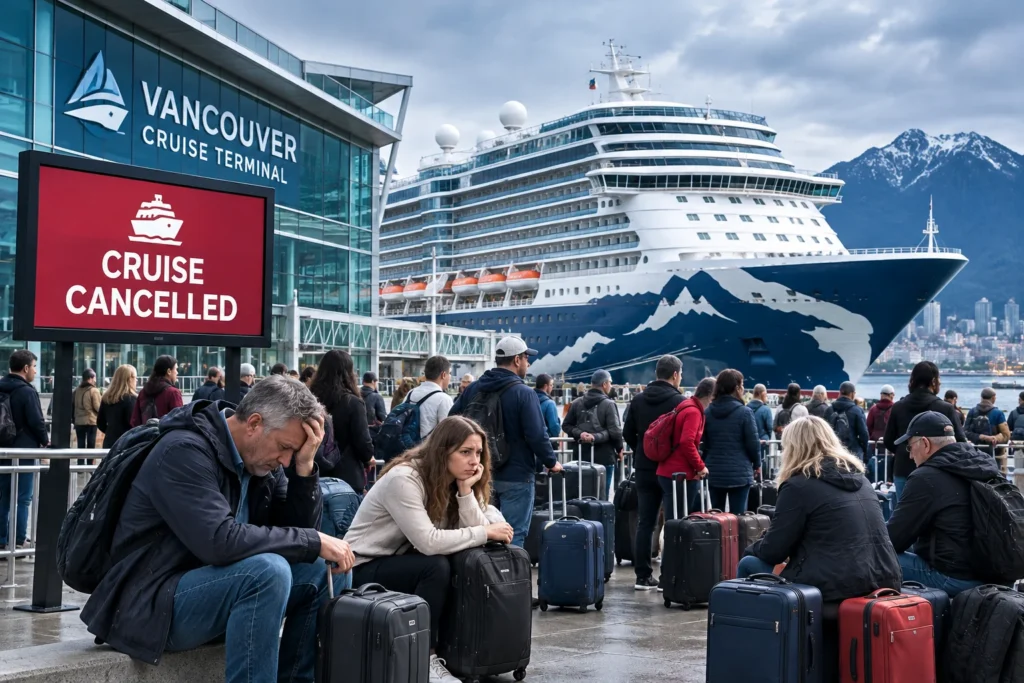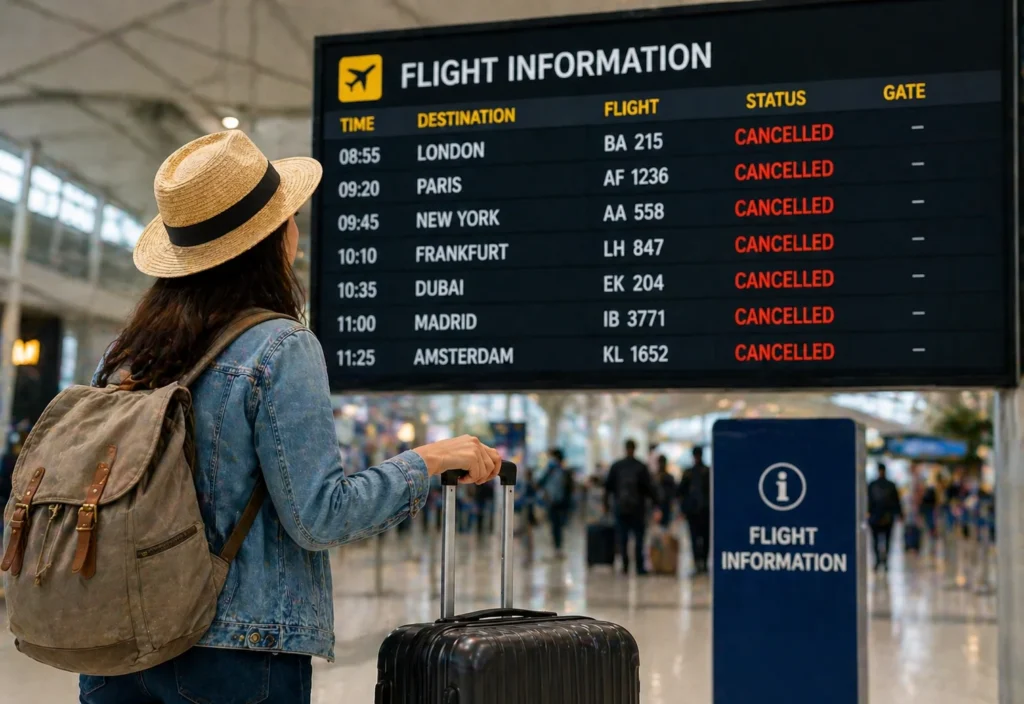
Travelers worldwide are being urged to prepare for schedule changes as rising jet fuel costs place new pressure on airline operations. In several markets, carriers have already begun reducing flights or adjusting schedules as higher fuel prices and supply concerns affect costs across the aviation sector.
For passengers, the biggest challenge is not only the cancellation itself, but understanding what to do next. Rebooking options, refund rights, compensation rules, and customer support processes can vary depending on where you are flying and which airline operates your trip.
With summer travel demand increasing and airports preparing for busy holiday periods, knowing your rights and acting quickly can make a major difference if your flight is canceled.
Why Flights Are Being Canceled
Fuel is one of the largest operating expenses for airlines. When jet fuel prices rise sharply, airlines may review route profitability, trim capacity, or consolidate services to manage costs more efficiently.
Unlike weather disruptions, which often happen at the last minute, fuel-related schedule changes may be announced days or weeks in advance. That can give travelers more time to adjust plans, but it also means popular replacement flights may sell out quickly.
When demand remains high and available seats fall, passengers may face tighter choices, longer waits, or higher fares on alternative routes.
First Step: Check Your Airline Immediately
If your flight is canceled, the first action should be to check the airline’s official app, website, email notifications, or text alerts. Many carriers now offer self-service rebooking tools that allow passengers to move onto the next available flight without waiting in long call center queues.
Useful places to check include:
- Airline mobile app
- Airline website booking page
- Email notifications
- SMS alerts
- Airport departure screens
Fast action matters because seats on replacement flights can disappear quickly during large disruptions.
If online tools do not work, contact customer service or speak with airport staff.
Refund or Rebooking: What You Can Expect
In many cases, airlines will offer one of two core options when they cancel a flight:
- Rebooking on another available flight
- Refund if you no longer wish to travel
The exact rules depend on the country of departure, airline policies, and local consumer protection laws. However, these two options are the most common baseline responses.
If you still need to travel, rebooking may be the best choice. If the alternative offered is too delayed or no longer useful, a refund could be more practical.
Always review the terms carefully before accepting credits or vouchers if you prefer cash reimbursement where allowed.
Passenger Rights Are Different Around the World
One of the most important things travelers should understand is that passenger protections are not the same everywhere.
Rules can vary widely between regions such as:
- European Union
- United Kingdom
- United States
- Canada
- Brazil
- Türkiye
- Asia-Pacific markets
Some regions have stronger protections than others. In parts of Europe, passengers may have rights to assistance, rerouting, and in some situations compensation depending on the reason for disruption.
In other markets, the airline’s own contract of carriage or customer policy may play a larger role.
Before travel, it is wise to search the passenger rights rules of your departure country so you know what applies if plans change.
Duty of Care Still Matters
Even when compensation is not automatic, many jurisdictions require airlines to provide reasonable assistance during disruptions. This is often called a duty of care.
Depending on circumstances, support may include:
- Rebooking assistance
- Meals or refreshments during long waits
- Hotel accommodation for overnight delays
- Ground transport between airport and hotel
- Communication access
The level of support can depend on delay length, airport location, and local regulations.
Travelers should ask politely but clearly what assistance is available rather than assuming nothing is offered.
Should You Accept the First New Flight?
Not always.
Many passengers automatically accept the first replacement option presented, but that may not be the best route. Sometimes a better solution exists through another connection, a nearby airport, or a later same-day departure.
Before confirming, check:
- Other flights on the same airline
- Partner airline services
- Nearby departure airports
- Nearby arrival airports
- Shorter connection options
A few extra minutes of research can save hours or even days of delay.
Can You Book Another Flight Yourself?
Yes, but proceed carefully.
If the airline cannot offer a suitable alternative and you urgently need to travel, some passengers choose to buy a new ticket on another carrier. This can work well, but reimbursement is not always guaranteed.
Before spending money, try to obtain written confirmation of your cancellation and ask whether self-booked alternatives may be refunded under the airline’s policy.
Keep in mind you may need to pay the difference upfront and recover costs later, if eligible.
Documentation Is Essential
If you need a refund, expense claim, insurance claim, or formal complaint, documentation is your strongest tool.
Save the following:
- Boarding passes
- Booking confirmation
- Cancellation notices
- Receipts for meals, hotels, or transport
- Screenshots of app updates
- Emails and text messages
- Notes from phone calls
If possible, request written confirmation of the cancellation reason from the airline.
Well-organized records can significantly improve the outcome of claims or disputes.
How to Prepare Before Your Trip
The best time to handle a disruption is before it happens. Smart preparation reduces stress and improves your options.
Helpful steps include:
- Book directly with the airline when possible
- Choose earlier flights in the day
- Sign up for alerts
- Keep travel insurance active
- Save airline contact details
- Build flexible connection times
- Research nearby airports
Earlier departures are often useful because there are more rebooking opportunities later in the day if something goes wrong.
Summer Travel Pressure Is Rising
The timing of fuel-related disruptions matters because they are arriving during one of the busiest travel periods of the year. Holiday traffic, school breaks, and major international events can already strain airports and airline schedules.
When capacity is reduced during peak demand, the impact can grow quickly. Full flights leave fewer spare seats, customer service lines become busier, and hotel availability near airports may tighten.
That is why travelers this season should monitor bookings more closely than usual.
Stay Calm and Flexible
Disruptions are frustrating, but attitude can help. Calm, respectful communication with airline staff often leads to faster solutions. Frontline teams are managing high volumes of requests and usually have more flexibility when conversations remain constructive.
Flexibility with airports, travel dates, and routings can also open better alternatives.
Final Advice for Travelers
If your flight is canceled amid rising jet fuel costs, act quickly, know your options, and keep records. Most disruptions can be managed successfully when passengers stay informed and respond early.
Air travel systems are under pressure, but millions of journeys still operate smoothly every day. With preparation and awareness, travelers can reduce stress, protect their rights, and keep their trip on track even when plans suddenly change.