Pakistan’s travel and tourism sector is closely monitoring regional developments after the latest ceasefire diplomacy involving the United States and Iran failed to produce immediate progress. While the headlines center on geopolitics, the wider tourism impact is being felt through airline planning, traveler confidence, regional mobility, and booking behavior across South Asia and the Middle East.
For Pakistan, the moment is significant because the country is strengthening its tourism profile through mountain tourism, heritage destinations, religious routes, and expanding hospitality services. In an interconnected global travel market, regional events can shape how travelers move, where they book, and which destinations gain attention.
The latest developments are a reminder that tourism growth depends not only on attractions, but also on confidence, accessibility, and stable transport networks.
Why Regional Stability Matters for Tourism
Modern tourism is highly sensitive to geopolitical conditions. Even when a destination is not directly involved in a conflict, changes in surrounding regions can affect airlines, insurance costs, and traveler decisions.
For Pakistan and neighboring markets, regional uncertainty can influence:
- International flight schedules
- Transit passenger flows
- Hotel occupancy levels
- Conference and event travel
- Corporate mobility plans
- Leisure booking confidence
Many long-haul journeys depend on multi-country aviation networks. When one part of the system changes, travelers often adapt quickly by choosing new routes or delaying trips.
This means tourism sectors must stay flexible and responsive.
Pakistan’s Tourism Momentum Continues
Despite external uncertainty, Pakistan continues to build momentum as an emerging destination. The country offers a wide range of tourism experiences that appeal to domestic and international travelers seeking authenticity, nature, and cultural depth.
Major tourism strengths include:
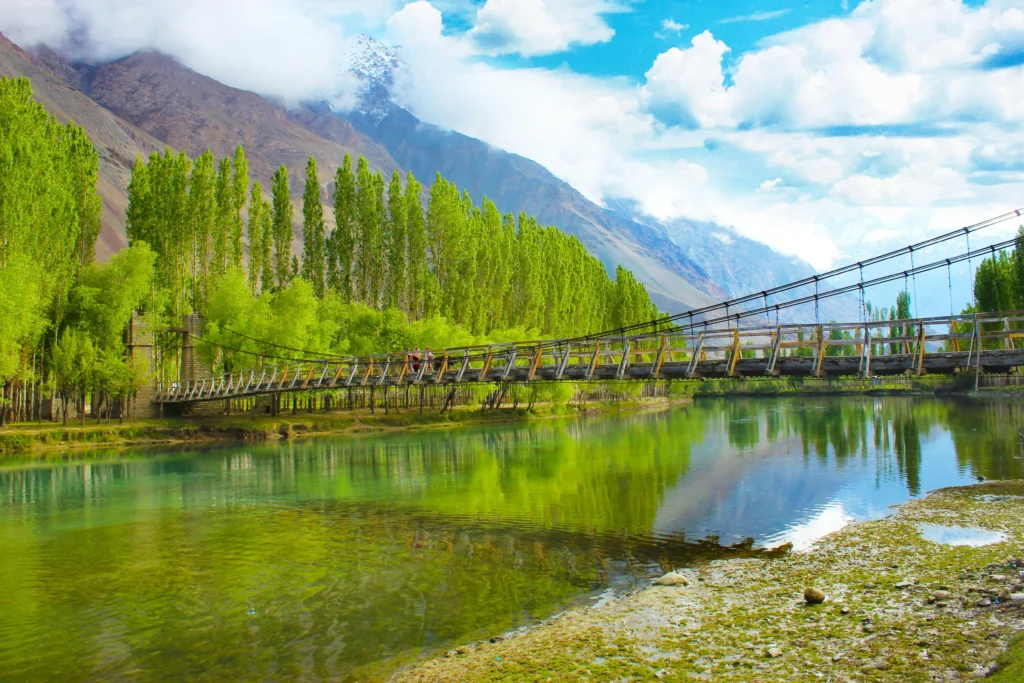
- Northern mountain landscapes
- Trekking and adventure travel
- Historic forts and heritage cities
- Religious tourism routes
- River valleys and scenic road journeys
- Growing urban hospitality in major cities
These assets have helped Pakistan gain visibility among travelers looking for destinations beyond traditional mass tourism markets.
The long-term opportunity remains strong, especially as global demand shifts toward meaningful and experience-led travel.
Air Connectivity Is Critical
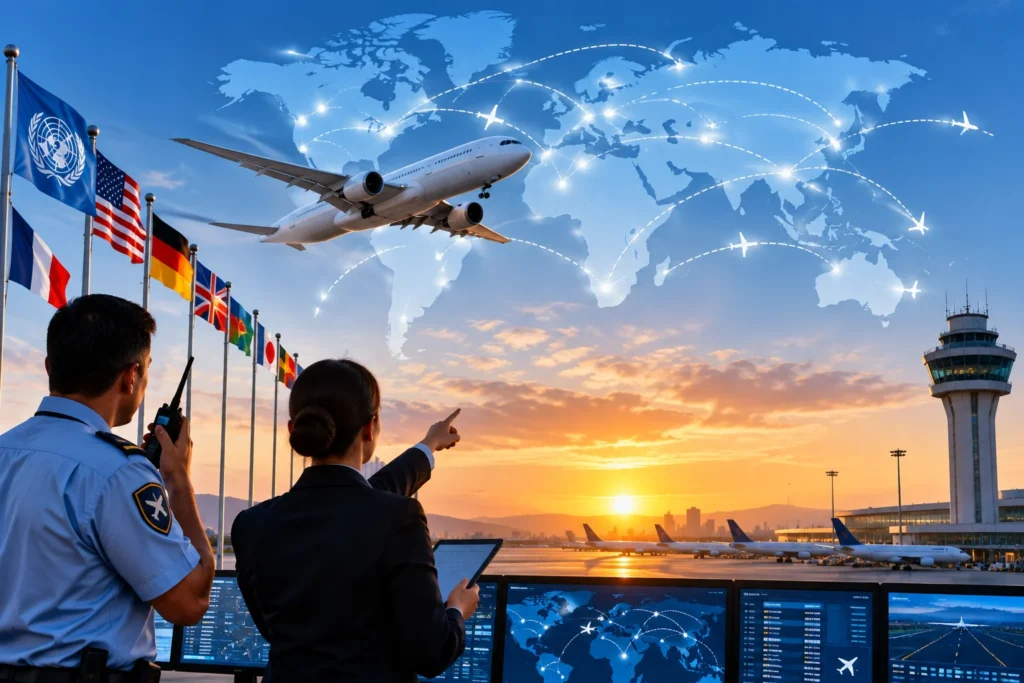
Tourism growth depends heavily on reliable air access. Pakistan’s airports connect travelers with the Gulf, Asia, Europe, and domestic regions. Any shift in regional travel flows can therefore influence fares, transit times, and route demand.
Possible travel effects during periods of uncertainty include:
- Schedule changes on some international routes
- Higher demand on alternate transit hubs
- Longer connection times
- Price fluctuations on key sectors
- Stronger demand for direct flights where available
For travelers, checking airline updates and booking flexible itineraries has become more important than ever.
For tourism planners, expanding route diversity remains a valuable long-term strategy.
Islamabad’s Role as a Diplomatic Gateway
Islamabad often plays an important role in regional diplomacy and international meetings. This can indirectly support the visitor economy through official delegations, media travel, security teams, and business services.
Cities that host international discussions frequently benefit from:
- Hotel demand
- Transport bookings
- Restaurant and hospitality spending
- Conference facility use
- Global visibility
While diplomatic events are different from leisure tourism, they still contribute to broader travel activity and urban hospitality performance.
As Pakistan strengthens its international profile, this role may continue to grow.
Domestic Tourism Builds Resilience
One of the strongest lessons in recent years is the importance of domestic tourism. Local travelers help support hotels, attractions, and transport providers even when international demand becomes uncertain.
Pakistan’s domestic tourism market has expanded significantly, with strong interest in:
- Northern summer escapes
- Family road trips
- Weekend nature breaks
- Heritage exploration
- Seasonal festivals
- Culinary travel experiences
Domestic demand creates year-round activity and helps tourism businesses remain resilient during global disruptions.
A balanced tourism economy usually combines local travel strength with international growth.
Opportunity in Emerging Travel Preferences
Global travelers are increasingly looking for less crowded destinations, outdoor experiences, cultural authenticity, and better value. These trends create opportunities for countries with strong natural beauty and rich heritage.
Pakistan can appeal to these travelers through:
- High-altitude scenery
- Unique cultural traditions
- Adventure routes
- Historic architecture
- Local cuisine
- Warm hospitality experiences
As awareness grows, more travelers may add Pakistan to future plans, especially those seeking alternatives to heavily saturated tourism markets.
What Travelers Should Do Now
Travelers planning journeys to Pakistan or through the wider region should stay informed and flexible. Most travel continues normally, but preparation can reduce stress if schedules change.
Recommended steps include:
- Check airline schedules directly
- Monitor official travel advisories
- Keep travel documents updated
- Use flexible booking options
- Review insurance coverage
- Allow extra time for connections
- Save emergency contact details
Good preparation is now a core part of modern travel planning.
Hotels and Hospitality Stand to Benefit
As Pakistan attracts more interest, hospitality investment becomes increasingly important. Quality hotels, guesthouses, eco-lodges, and transport services all help convert curiosity into actual visitor arrivals.
Tourism growth supports sectors such as:
- Accommodation providers
- Restaurants and cafés
- Local guides
- Transport operators
- Handicraft businesses
- Adventure tour companies
This wider economic impact shows why tourism matters beyond leisure alone.
Long-Term Outlook for Pakistan Travel
Short-term regional events can influence sentiment, but long-term tourism success depends on fundamentals. Pakistan’s fundamentals include exceptional landscapes, deep history, cultural richness, and a growing appetite among travelers for new experiences.
Future growth is likely to be shaped by:
- Better infrastructure
- Easier visitor processes
- Expanded international routes
- Sustainable tourism planning
- Stronger digital marketing
- Improved visitor services
These factors can continue driving progress regardless of temporary headlines.
A Sector Ready to Adapt
Tourism today is more adaptable than ever. Travelers compare destinations quickly, switch routes easily, and seek value with confidence. Destinations that remain welcoming, accessible, and well-prepared can continue to grow even during uncertain times.
Pakistan’s travel story is larger than any single diplomatic moment. With expanding domestic tourism, rising international awareness, and world-class natural attractions, the country remains one of the most interesting emerging destinations in Asia.
Looking Ahead
As ceasefire diplomacy evolves, travel markets across the region will keep adjusting. For Pakistan, the focus remains clear: strengthen tourism, improve connectivity, and showcase the country’s unique experiences to the world.
For travelers, preparation and flexibility are key. For the tourism sector, resilience and long-term vision remain the path forward.