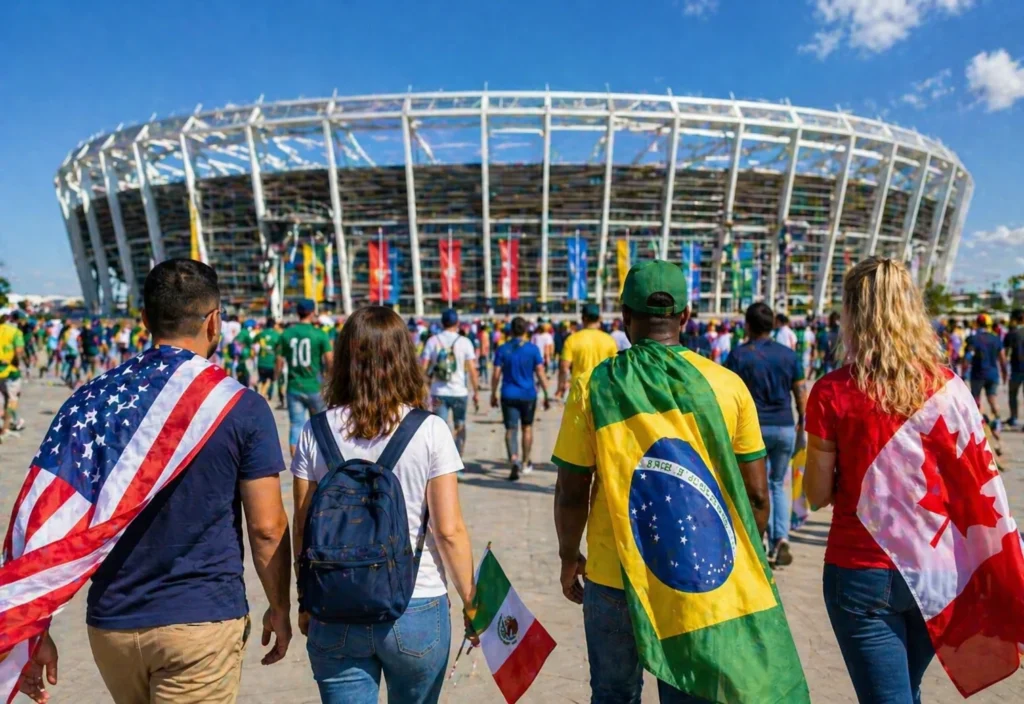
With the FIFA World Cup set to begin across North America, travel planning for millions of international football fans is accelerating. In the United States, more than 100 civil rights organizations have issued a visitor advisory ahead of the tournament, encouraging travelers to understand local procedures, know their rights, and prepare carefully before attending matches in host cities including Santa Clara and other major venues nationwide.
The advisory arrives as cities across the United States finalize preparations for one of the largest sporting events in the world. The tournament is expected to generate substantial tourism activity through hotel bookings, restaurant spending, local transport demand, entertainment visits, and international media attention. For host destinations, the World Cup represents both an economic opportunity and a chance to showcase hospitality on a global stage.
Organizers behind the advisory said the message is intended to inform rather than discourage travel. Their focus is on helping visitors feel prepared when entering the country, navigating airport processes, and understanding practical travel considerations in advance of their trip.
The United States has a long history of hosting major global events, from international sporting competitions to large conventions and cultural festivals. Cities selected for World Cup matches are already experienced in welcoming overseas visitors and managing high-capacity events. Tournament planning typically includes coordination among local governments, transport agencies, tourism boards, venue operators, and public safety teams.
Santa Clara, one of the scheduled host locations, is expected to draw thousands of supporters from around the world. Located in California’s Bay Area, the city offers access to technology hubs, diverse dining, regional attractions, and nearby destinations such as San Francisco, coastal communities, and wine country. The World Cup gives the region a chance to attract first-time visitors who may extend their stays beyond matchdays.
Across the United States, host cities are using the tournament to strengthen tourism branding. Visitors attending games often combine sports travel with sightseeing, shopping, road trips, family visits, and cultural experiences. This wider travel impact can significantly increase the value of mega-events for local economies.
The advisory includes practical recommendations such as sharing itineraries with family, staying informed through official channels, securing travel documents, and reviewing entry procedures before departure. These are common travel best practices that can benefit any international visitor, especially during periods of high passenger volume.
For global fans, preparation is especially important because the World Cup will bring large crowds to airports, hotels, and city centers. Booking accommodation early, confirming transport routes, arriving at venues with extra time, and monitoring match schedules can help reduce stress and improve the overall experience.
Tourism officials in many host cities have emphasized welcoming environments and visitor readiness. Temporary signage, volunteer programs, multilingual support, fan zones, mobility planning, and public information campaigns are expected to help guests move smoothly through matchday experiences.
The tournament also offers a major boost to U.S. tourism visibility. International broadcasts will showcase stadiums, city skylines, landmarks, and regional attractions to a global audience. This exposure often creates long-term tourism benefits by inspiring future leisure travel after the event concludes.
California is expected to be one of the biggest beneficiaries of this attention. In addition to football fans, the state attracts travelers for beaches, national parks, entertainment, shopping, wine regions, culinary tourism, and road-trip experiences. Visitors attending matches in Santa Clara may extend their journeys to explore Los Angeles, San Diego, Napa Valley, Yosemite, or the Pacific Coast.
Sports tourism continues to grow worldwide, and the World Cup is among its most powerful drivers. Fans increasingly travel internationally not only to watch matches but also to experience destination culture, meet supporters from other countries, and take part in fan festivals and city celebrations.
For businesses, the tournament can create strong demand across sectors. Hotels may see higher occupancy, restaurants larger footfall, retailers increased sales, and transport providers heavier passenger volumes. Local attractions often benefit as visitors fill non-match days with sightseeing and entertainment.
Travelers heading to the United States for the World Cup should ensure passports are valid, visa or entry requirements are completed where necessary, travel insurance is active, and digital copies of important documents are stored securely. Using official event apps and trusted transport services can also improve convenience.
Safety remains a key priority for organizers. Large international events typically involve layered planning that includes crowd management, emergency response systems, traffic operations, public communication, and venue security procedures. These measures are designed to help visitors enjoy the tournament with confidence.
The advisory has also sparked broader discussion about visitor awareness and traveler rights. Such conversations are increasingly common around global mega-events as tourism becomes more international and complex. In many cases, clear information helps reduce confusion and empowers visitors to make informed decisions.
Despite the attention around the advisory, enthusiasm for the tournament remains strong. Ticket demand, accommodation searches, and fan travel planning continue to rise as kickoff approaches. The World Cup is expected to deliver memorable moments both inside stadiums and across host communities.
For many travelers, this will be their first visit to the United States. The event therefore represents more than a football tournament—it is a gateway experience that can shape perceptions of the country for years to come. Positive visitor experiences often lead to repeat tourism, future business travel, and stronger cultural connections.
As countdown celebrations continue, the central message for fans is simple: plan ahead, stay informed, and enjoy the journey. With host cities preparing extensively and global excitement building, the United States is set to welcome the world for one of the biggest tourism and sporting moments of 2026.