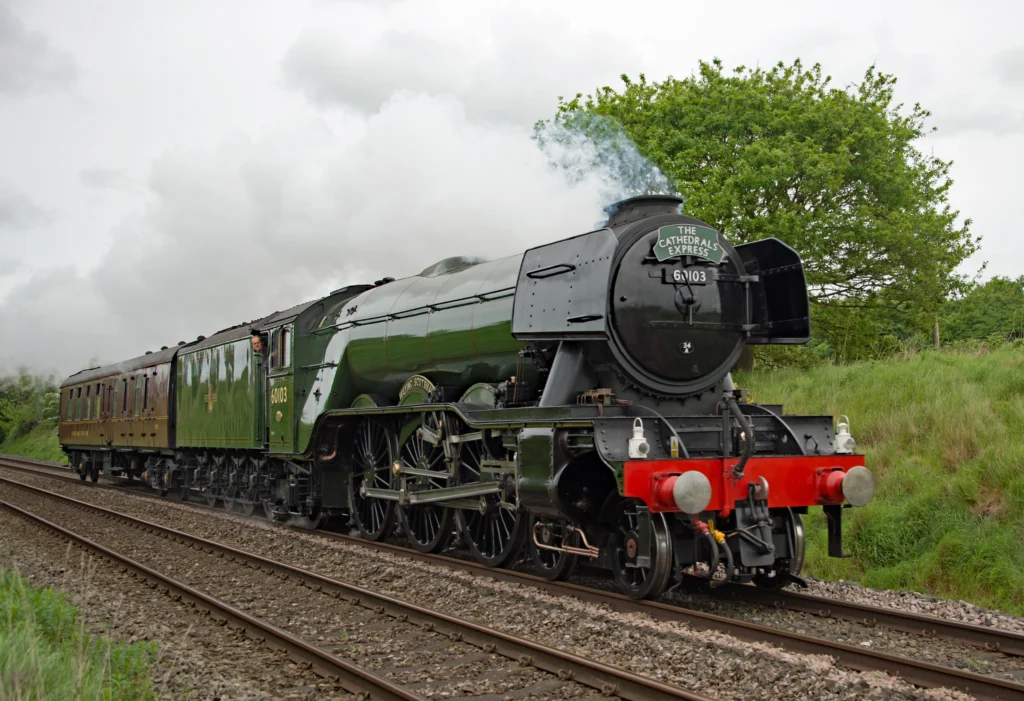
The United Kingdom is reviving one of its most iconic rail traditions as the Flying Scotsman returns with a restored mid-morning timetable from May 18, 2026. Operated by London North Eastern Railway, the celebrated London-Edinburgh service will depart London King’s Cross at 10:30 a.m. and Edinburgh Waverley at 10:00 a.m., closely reflecting the classic schedule that helped make it one of the world’s most famous named train journeys.
The move is more than a timetable update. It blends heritage branding with modern rail travel at a time when demand for sustainable city-to-city journeys is growing. For tourists, it creates a memorable rail experience between two capital cities. For regular passengers, it offers a more convenient daytime departure window on one of Britain’s busiest intercity corridors.
Historic Name Returns to a Familiar Time
The Flying Scotsman first began running in the nineteenth century and adopted its famous name in 1924. Over generations, it became synonymous with premium travel between England and Scotland, representing speed, reliability and prestige on the East Coast Main Line.
Although the service name has continued, the classic mid-morning departure pattern had been absent for more than a decade. Its reinstatement reconnects the route with a timetable many travelers associate with the golden era of British rail.
That emotional link matters. Heritage remains a powerful draw in tourism, especially when historic experiences are updated for modern expectations.
London to Edinburgh with Modern Comfort
While the name evokes steam-era nostalgia, the renewed service will be operated by contemporary LNER Azuma trains. These trains provide high-speed travel, upgraded seating, onboard services and improved reliability compared with historic operations.
Passengers can expect a journey that combines tradition with twenty-first-century convenience. That formula is increasingly attractive in travel markets where customers want both storytelling and comfort.
Rail operators worldwide are finding that legacy brands and routes can gain fresh relevance when paired with modern rolling stock and service standards.
Better Timing for Travelers
The revised departure times are likely to appeal to a broad range of passengers.
Business travelers gain a practical daytime option that avoids very early departures. Leisure passengers benefit from a relaxed start, allowing easier hotel checkouts, city mornings or same-day sightseeing plans before travel. Families and international visitors may also find mid-morning departures easier than dawn schedules.
The route’s calls at major hubs such as York and Newcastle further widen its appeal, offering strong regional connections and access to key tourism and business markets.
Convenient schedules often play a decisive role in rail choice, particularly when travelers compare trains with short-haul flights or long car journeys.
Boost for UK Tourism and Summer Travel
The relaunch arrives ahead of the busy summer season, when domestic tourism and inbound travel typically increase across Britain.
For overseas visitors, the Flying Scotsman offers more than transport. It becomes part of the holiday itself: a scenic rail journey linking two globally recognized cities while passing through historic landscapes and major regional centers.
That experience can support longer itineraries that include London, York, Newcastle, Edinburgh and surrounding attractions.
Hotels, visitor attractions, restaurants and tour operators along the corridor may all benefit from stronger demand linked to the route’s renewed profile.
Launch Day Celebrations Add Experience Value
LNER is planning special events on launch day to mark the service’s timetable return. Performances by The Red Hot Chilli Pipers at key stations and a Scottish-themed First Class menu featuring traditional dishes are designed to create a celebratory atmosphere for passengers.
These touches reflect a wider trend in travel: transportation providers are increasingly creating event-style moments rather than offering only functional journeys.
Memorable launch experiences can generate social media attention, stronger brand engagement and added demand from enthusiasts and first-time riders.
Heritage Year Strengthens the Story
The timetable revival also aligns with Gresley 150, commemorating the 150th anniversary of Sir Nigel Gresley, one of Britain’s most influential railway engineers.
Linking the service relaunch to a broader heritage celebration adds depth to the story and gives rail tourism another reason to attract enthusiasts in 2026.
Rail heritage remains a valuable niche within tourism, drawing visitors who seek authentic cultural experiences tied to transport history and engineering achievement.
Sustainable Travel Alternative
The Flying Scotsman’s return also highlights rail’s growing role in lower-emission travel choices.
As travelers look for alternatives to domestic aviation and long road trips, high-quality rail services between major cities become more competitive. Fast city-center to city-center journeys with fewer transfer hassles can be especially attractive on routes like London to Edinburgh.
That shift supports broader climate and transport goals while improving traveler choice.
New Chapter for a Classic Journey
The restored Flying Scotsman timetable shows how historic travel brands can thrive in a modern market. By pairing a beloved name with updated trains, practical schedules and experience-led touches, the UK is giving one of its greatest rail icons fresh momentum.
For passengers, it is a chance to ride history with modern comfort. For British tourism, it is another compelling reason to choose rail in 2026.
For more travel news like this, keep reading Global Travel Wire