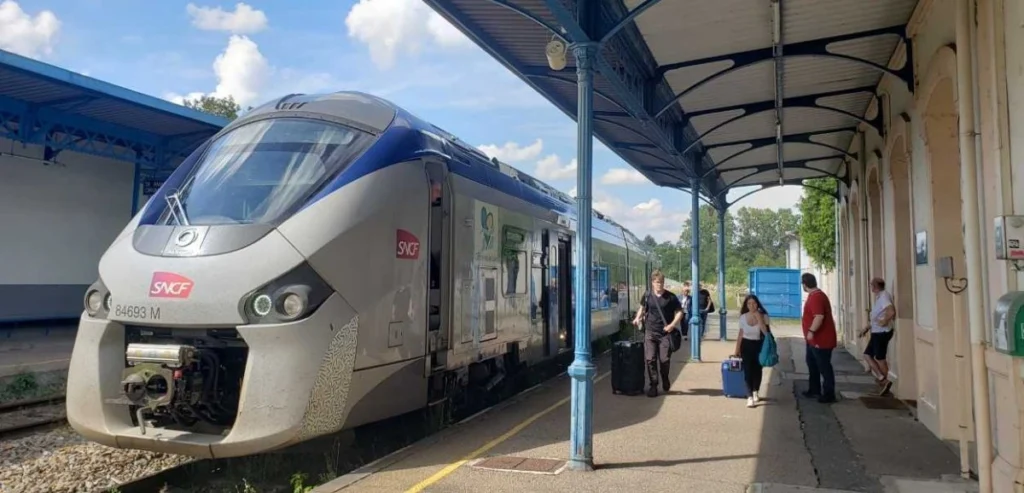
France has suspended all regional train services on the Bourges-Montluçon line until May 7, 2026, as major infrastructure works move forward across the route. The closure affects TER services linking key towns in central France, including Bourges, Saint-Florent-sur-Cher and Montluçon, with replacement buses and alternative travel options introduced for affected passengers.
The disruption is temporary, but significant. For commuters, students and visitors, the line is an important regional connector. For the wider rail network, the closure highlights a growing focus on renewing aging infrastructure to improve reliability, safety and long-term service quality. While travelers face short-term inconvenience, the works are intended to strengthen the route for future demand.
Why the Entire Route Is Closed
The shutdown is linked to planned engineering works led by SNCF Réseau, France’s national rail infrastructure manager. The program includes track modernization, ballast renewal, rail replacement and signaling improvements across multiple sections of the line.
Such projects often require full closures because heavy machinery, technical teams and safety zones must be coordinated over long stretches of track.
Although disruptive, planned closures can prevent larger operational problems later, including speed restrictions, unexpected breakdowns or emergency repairs that cause even greater passenger disruption.
Important Regional Link in Central France
The Bourges-Montluçon route forms part of the TER Centre-Val de Loire network and plays a valuable role in connecting communities across central France.
Regional lines like this support daily commuting, access to education, healthcare appointments and domestic tourism. They also help smaller towns remain linked to economic centers without total dependence on private cars.
When services pause, the effects can be felt quickly across local mobility and business activity.
That is why replacement transport planning is a key part of any rail engineering program.
Replacement Buses and Alternative Travel Options
To maintain connectivity during the closure, replacement road coaches are being deployed on affected sections. These buses are expected to serve similar points along the route, helping passengers continue essential journeys while rail operations are suspended.
However, bus journeys may take longer than train services, particularly during busy travel periods or road congestion.
Passengers are being advised to allow extra time, especially if they have onward rail connections, appointments or time-sensitive commitments.
Some travelers may also choose alternative routes through other rail corridors depending on destination and timetable availability.
What Passengers Should Do Now
Travelers using the route should check real-time updates before departure through official SNCF channels and station information boards.
Schedules for replacement buses, platform changes, connection updates and service resumptions can change during engineering periods. Planning ahead is especially important for those making multi-leg journeys.
Passengers holding tickets for canceled services are generally able to exchange bookings, travel on replacement services or request refunds where applicable.
Flexible rebooking policies are increasingly important during planned disruptions, helping maintain customer confidence in public transport.
Impact on Tourism and Local Economy
The closure may also affect tourism flows across the region, particularly for spring travelers visiting central France by rail.
Smaller destinations often depend on regional train access to attract domestic visitors who prefer car-free travel. Temporary suspensions can reduce spontaneous trips, day visits and weekend breaks. At the same time, effective replacement transport can limit those losses if passengers are well informed and supported.
Restaurants, shops and local attractions near stations may see short-term changes in footfall until trains return.
Why Rail Upgrades Matter
Across Europe, many rail networks are investing heavily in modernization as passenger demand grows and sustainability goals push more travelers toward trains.
Reliable regional lines are critical because they feed larger national networks and support balanced regional development. Improvements to tracks and signaling can increase punctuality, reduce maintenance incidents and create better passenger experiences over time.
For France, continued investment in TER routes is important not only for transport policy but also for tourism competitiveness and low-carbon mobility.
When Services Return
Current plans indicate that train services are expected to resume after the completion of works, with full operations targeted from May 8, 2026.
As with all infrastructure programs, final timelines depend on successful completion of engineering and safety checks. Travelers should continue to monitor official updates in the days leading up to reopening.
Short-Term Disruption, Long-Term Gain
The Bourges-Montluçon closure is a reminder that better rail networks often require temporary inconvenience. While passengers face detours and longer journeys this week, the investment is designed to deliver a safer and more dependable line in the future.
For central France, stronger regional rail can support commuters, visitors and local economies long after the buses are gone.
For more travel news like this, keep reading Global Travel Wire