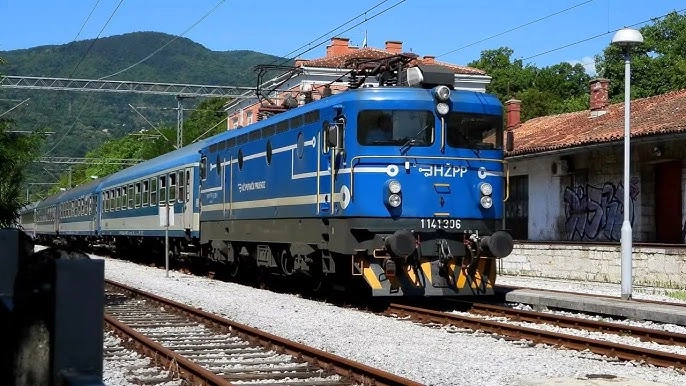
Poland is expanding one of Europe’s most talked-about seasonal rail routes as the Adriatic Express returns for Summer 2026 with more weekly departures, new stops in Slovenia and enhanced onward links to Italy. Operated by PKP Intercity, the overnight service connecting Warsaw with Croatia’s Adriatic coast will increase frequency, broaden regional access and strengthen cross-border tourism flows during the peak holiday season.
The upgrade reflects growing demand for long-distance rail travel across Europe, where passengers are increasingly choosing sleeper trains over short-haul flights. For travelers, the expanded route offers a comfortable and lower-stress way to reach beach destinations and major cities. For tourism markets across Central and Southern Europe, it brings more visitors directly into the region.
More Weekly Departures for Peak Summer Demand
The biggest change for 2026 is frequency. The Adriatic Express will run six weekly rotations between Warsaw and Rijeka, up from four weekly services in 2025.
That increase is significant because seasonal rail routes often sell strongly during summer holidays, especially when they connect major cities with coastal leisure destinations. More departures mean greater flexibility for travelers planning short breaks, family holidays or longer multi-country itineraries.
For operators, added frequency can also improve route visibility and encourage repeat demand.
As rail booking habits become more spontaneous, having more weekly choices matters.
New Stops in Slovenia and Better Access to Italy
The expanded service will introduce detached carriages serving Ljubljana, creating new travel opportunities into Slovenia. Passengers will also be able to continue to Koper, Slovenia’s coastal gateway, while integrated bus links to Trieste in Italy will be available under the same ticket structure.
These additions transform the route from a point-to-point train into a wider Adriatic travel network.
Instead of only reaching Croatia, passengers gain smoother access to multiple countries and city-break options in one journey.
For tourism boards and local businesses, that kind of connectivity can help spread visitor spending across several destinations rather than concentrating it in one resort market.
Strong Alternative to Flying
The Adriatic Express arrives at a time when many travelers are reassessing how they move around Europe.
Overnight rail can reduce the need for airport transfers, baggage restrictions and early check-ins while offering a lower-emission alternative to short-haul aviation. Travelers board in the evening, sleep onboard and arrive ready to begin their holiday the next day.
That combination of practicality and sustainability is driving renewed interest in sleeper trains across the continent.
For environmentally conscious travelers, rail is increasingly part of the holiday choice, not just the transport method.
Scenic Journey Adds Experience Value
The appeal of the Adriatic Express is not only about reaching the coast. The route itself passes through diverse landscapes including Central European cities, Alpine scenery and Adriatic approaches.
Modern travel demand increasingly values the journey as part of the experience. Rail excels in this space because passengers can relax, dine, socialize or enjoy changing scenery in a way aviation cannot easily match.
That experiential element can be especially attractive to international visitors seeking memorable European travel beyond standard airport-to-hotel itineraries.
Comfort of Overnight Sleeper Travel
The service is expected to offer sleeper cabins, couchettes and onboard facilities designed for long-distance comfort.
For couples, solo travelers and families, overnight trains can reduce the need for an extra hotel night while maximizing time at the destination. Travelers who depart after work or after sightseeing can effectively travel while resting.
As hotel rates rise in many European cities during summer, that value proposition becomes even stronger.
The convenience of waking up near the Adriatic coast gives sleeper rail a unique competitive advantage.
Benefits for Tourism and Regional Economies
Improved rail links can deliver wide economic benefits across the route.
Cities such as Warsaw, Kraków, Vienna, Ljubljana, Rijeka and connected coastal areas may all benefit from stronger visitor flows. Hotels, restaurants, attractions and local transport providers often gain when direct transport links improve access and lengthen average stays.
Cross-border services also strengthen cultural exchange and support Europe’s wider goal of integrated mobility between neighboring countries.
For Croatia and Slovenia, the train adds valuable inbound capacity during the busiest travel period of the year.
Booking Demand Likely to Be Strong
With ticket sales expected to open ahead of the season, early demand is likely to be high.
Popular summer rail routes often see fast bookings for private sleepers and preferred dates, particularly among families and travelers planning extended holidays. Flexible fares and early reservations may become important for securing the best options.
New Momentum for European Sleeper Rail
The return of the Adriatic Express in expanded form highlights the resurgence of overnight rail across Europe. What was once seen as a nostalgic mode of travel is becoming a modern answer to sustainable tourism, comfortable mobility and cross-border connectivity.
For Summer 2026, Poland’s Adriatic Express is positioned to be more than a train. It is a gateway to the Adriatic and a symbol of rail’s growing future in Europe.
For more travel news like this, keep reading Global Travel Wire