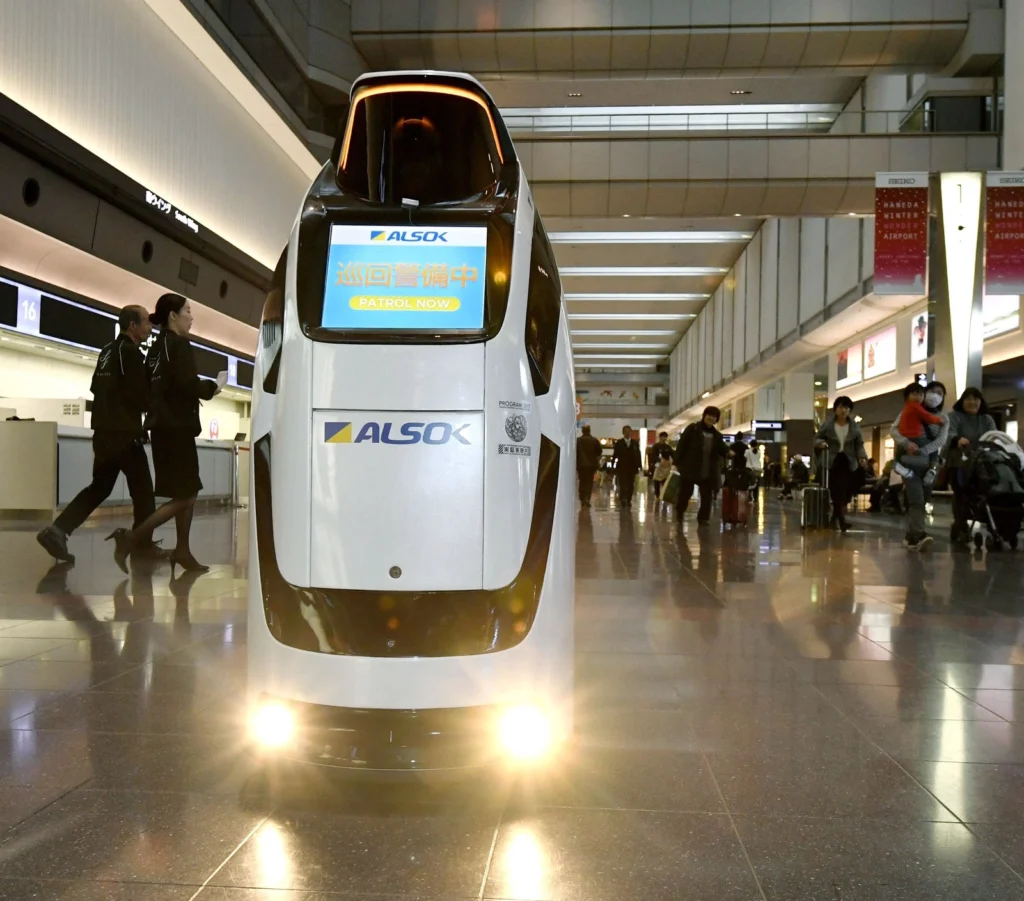
Japan is taking a major step toward the future of aviation operations as humanoid robots begin trial work at Tokyo’s Haneda Airport. The pilot program, led by Japan Airlines in coordination with aviation authorities, focuses on supporting baggage handling and ground operations as passenger numbers rise and labour shortages place increasing pressure on airport services.
Rather than replacing staff, the initiative is designed to test how robotics can safely assist human teams in one of Asia’s busiest airport environments.
Why Airports Are Turning to Automation Now
Haneda Airport handles more than 60 million passengers annually, making efficiency critical across every part of the travel journey. As international travel continues to recover and expand, baggage teams and ramp workers are facing heavier workloads, tighter turnarounds and growing operational complexity.
At the same time, Japan’s ageing population and shrinking labour pool are creating recruitment challenges in physically demanding airport roles. This combination of rising demand and limited staffing is pushing airports to explore practical automation solutions that can integrate into existing infrastructure.
Robots Focus on Support Tasks, Not Full Replacement
The current trial centres on controlled, repetitive tasks rather than fully autonomous operations. Small humanoid robots are being deployed in clearly defined zones where they can safely assist with baggage logistics under close human supervision.
Their early responsibilities include pushing baggage carts, moving lightweight luggage items and helping staff during peak traffic periods. Human workers remain in charge of decision-making, coordination and safety oversight at all times.
Built for Tight Airport Spaces and Real-Time Navigation
The robots being tested are compact units designed specifically for indoor transport environments such as service corridors, loading zones and baggage areas. Their size allows them to operate in narrow spaces without disrupting normal airport movement.
Key capabilities include onboard sensors, cameras, lidar-based navigation, battery swap systems and secure remote monitoring. These technologies help the machines react to obstacles, follow routes and pause operations instantly if conditions change.
Safety Rules Drive Every Stage of Deployment
Aviation environments demand strict control, and the robotics rollout is being introduced through phased testing with regulatory oversight. Before live deployment, work processes are mapped in detail, potential risks are identified and simulations are completed in controlled settings.
Even in operational zones, emergency stop systems, geofencing restrictions and remote shutdown functions are built into every unit. This cautious approach allows the airport to gather real-world performance data without compromising safety standards.
Benefits for Ground Staff and Daily Operations
For airport workers, baggage handling is one of the most physically demanding jobs in aviation. Repetitive lifting, constant movement and time pressure can contribute to fatigue and long-term strain injuries.
By taking over selected repetitive tasks, robots may help reduce physical stress while allowing employees to focus on coordination, customer service and more complex operational duties. That shift could improve workplace sustainability and help airports retain skilled staff in challenging roles.
Economic Impact for Airlines and Airports
Automation also has a commercial dimension. Labour shortages can increase overtime costs, training expenses and service disruption risks during peak seasons. Robotics require investment in hardware, maintenance and software, but they may offer long-term efficiency gains if deployed effectively.
For airlines and airport operators, smoother baggage operations can support punctual departures, faster turnarounds and stronger passenger satisfaction—three critical drivers of competitiveness in global aviation markets.
What This Means for Travellers
Passengers may not immediately notice robots working behind the scenes, but they could benefit from more reliable baggage handling, fewer delays and stronger on-time performance. During busy holiday periods, extra operational support can make a visible difference across check-in, loading and arrival processes.
As travellers increasingly expect seamless airport experiences, back-end innovation is becoming just as important as terminal design or inflight comfort.
Could This Expand Beyond Japan?
The Haneda trial is being watched closely by airports worldwide. If the program proves successful, similar robotics systems could be introduced in other hubs facing labour shortages or rising passenger demand.
Future versions may feature longer battery life, heavier load capacity and smarter coordination with conveyor belts, autonomous vehicles and digital airport management systems.
A Practical Vision of the Airport Future
What is unfolding at Haneda Airport is less about science fiction and more about solving real operational problems. Japan’s approach shows that robotics in aviation can be gradual, controlled and focused on practical support rather than disruption.
If results remain positive, Tokyo’s humanoid robot trial may become a model for how airports worldwide modernize baggage handling and ground operations in the decade ahead.
For more travel news like this, keep reading Global Travel Wire