Air Sierra Leone Halts Gatwick Operations Amid Aircraft Shortage
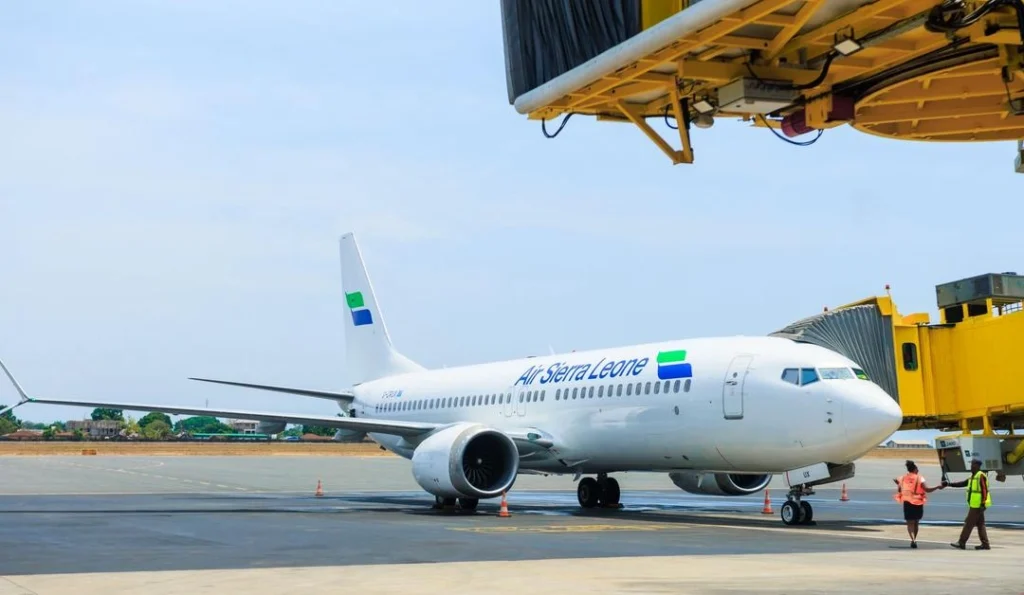
Air Sierra Leone has suspended its flights to London Gatwick Airport, citing a shortage of aircraft, in a move that disrupts a key international air link between the United Kingdom and Sierra Leone. The sudden halt affects all services between Gatwick and Freetown, leaving passengers scrambling for alternatives and raising concerns about regional connectivity.
The airline confirmed that limited fleet availability forced the suspension, with no immediate timeline for resumption. The London route has been a critical corridor for business, tourism and diaspora travel, making the disruption particularly significant for both markets.
Fleet Constraints Expose Operational Challenges
The suspension highlights ongoing operational pressures faced by smaller carriers, particularly in emerging aviation markets. Air Sierra Leone has been working to expand and modernize its fleet, but global aircraft shortages, rising leasing costs and supply chain constraints have slowed progress.
Efforts to secure additional aircraft through leasing arrangements have so far not delivered immediate solutions, prompting the airline to temporarily withdraw from one of its most important international routes. The situation reflects broader industry challenges, where limited aircraft availability continues to affect capacity planning and route stability.
Passengers affected by the suspension are being advised to seek alternative travel arrangements. While the airline is offering rebooking support, limited fleet capacity has reduced flexibility, leading to frustration among travelers facing uncertainty over their travel plans.
Impact on UK–Sierra Leone Travel and Tourism
The London–Freetown route plays a vital role in connecting Sierra Leone to Europe, particularly for the large Sierra Leonean diaspora in the United Kingdom. The suspension is expected to significantly impact passenger flows, especially during peak travel periods.
Tourism stakeholders are also closely monitoring the situation. Sierra Leone has been gradually rebuilding its tourism sector, with international air connectivity considered a key driver of visitor growth. The loss of direct flights to London may slow this momentum by reducing accessibility for international tourists.
In addition to leisure travel, the route has supported business and trade links between the two countries. Disruptions could lead to increased travel costs and longer journey times, as passengers are forced to rely on connecting flights through other hubs.
Economic Ripple Effects Across Aviation and Hospitality
The suspension is likely to have wider economic implications beyond aviation. Reduced flight capacity may impact hotels, tour operators and local businesses that depend on international arrivals. Lower passenger volumes could translate into decreased tourism spending, particularly in key destinations within Sierra Leone.
Airlines operating alternative routes to Freetown may experience a temporary rise in demand. However, reduced competition on the London route could lead to higher fares and limited seat availability, affecting traveler affordability and overall travel demand.
Financial Pressures and Competitive Landscape
For Air Sierra Leone, the suspension comes at a critical time as the airline seeks to strengthen its financial position and expand its network. The inability to maintain consistent service on a flagship route may result in lost revenue and reduced market share.
The competitive aviation landscape, especially on routes linking Africa and Europe, requires reliability and capacity. Any prolonged disruption risks pushing passengers toward competing carriers, potentially making it more challenging for the airline to regain its position once operations resume.
Additionally, maintaining competitive pricing while addressing operational constraints remains a key challenge. Balancing affordability with service quality will be essential as the airline navigates this period of uncertainty.
Recovery Plans and Future Outlook
Air Sierra Leone has indicated that it is actively exploring solutions to resolve its fleet shortage. These include ongoing discussions with leasing companies and potential partnerships to increase aircraft availability. However, global supply constraints mean that recovery may take time.
The airline is also working to improve communication with affected passengers, providing updates and rebooking options where possible. Restoring traveler confidence will be critical once services resume.
Looking ahead, the airline may need to accelerate fleet expansion plans and enhance operational resilience to prevent similar disruptions. Strengthening partnerships and diversifying capacity sources could also play a role in ensuring long-term stability.
Outlook for Travelers and the Market
In the short term, travelers between the UK and Sierra Leone will need to rely on alternative carriers and connecting routes, potentially increasing travel time and costs. The disruption underscores the importance of robust airline operations in maintaining global connectivity.
For Sierra Leone’s tourism and business sectors, restoring direct air links will be essential to sustaining growth and international engagement. As the situation evolves, the pace of recovery will depend on how quickly Air Sierra Leone can address its fleet challenges and resume operations on this vital route.
For more travel news like this, keep reading Global Travel Wire