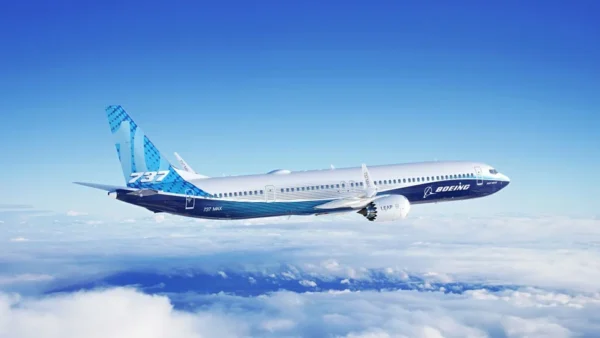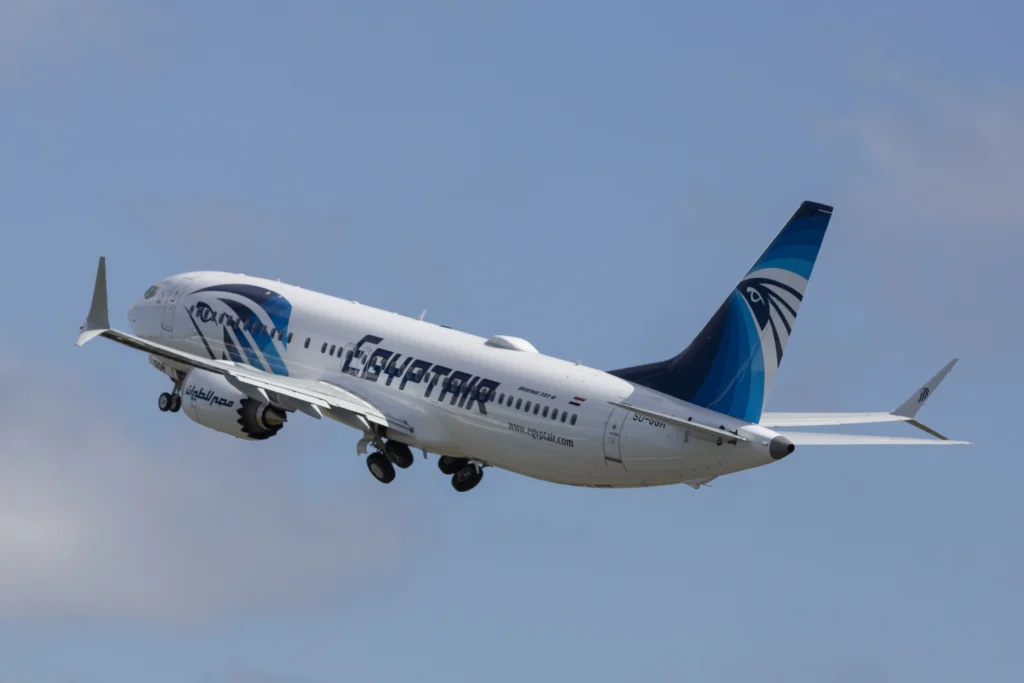
EgyptAir has officially taken delivery of its first Boeing 737-8 MAX aircraft, marking a transformative milestone in the airline’s fleet modernization strategy and signalling a new phase of sustainable and passenger-focused travel across Europe and the Middle East. The aircraft is the first of 18 units leased through SMBC Aviation Capital, introducing the advanced 737 MAX family into EgyptAir’s operations for the first time.
This strategic move is expected to significantly enhance short- and medium-haul connectivity from Cairo while improving efficiency, comfort, and environmental performance for millions of travellers.
A Strategic Leap for Regional and International Connectivity
The addition of the Boeing 737 MAX strengthens EgyptAir’s ability to expand its network across key tourism and business destinations. The airline plans to deploy the aircraft on high-demand routes linking Cairo with major European and Middle Eastern cities, including Paris, Brussels, Istanbul, and Vienna.
This expansion is particularly significant as global travel demand continues to rebound. By increasing capacity and improving route efficiency, EgyptAir is positioning itself as a stronger connector between Africa, Europe, and Asia, reinforcing Egypt’s role as a regional aviation hub.
For travellers, this means more flight options, better scheduling flexibility, and smoother connections through Cairo’s main gateway.
Enhanced Passenger Experience on Short-Haul Flights
The Boeing 737-8 MAX introduces a noticeable upgrade in onboard comfort. Featuring the latest Boeing Sky Interior, the aircraft offers modern cabin lighting, larger windows, and expanded overhead storage, creating a more spacious and relaxing environment.
These improvements are especially valuable for short- and medium-haul travellers, where comfort and efficiency play a key role in overall satisfaction. Business travellers on tight schedules and leisure tourists heading to Egypt’s iconic destinations alike stand to benefit from the upgraded cabin experience.
The design also helps reduce travel fatigue, making journeys across busy regional corridors more enjoyable and efficient.
Sustainability at the Core of Fleet Modernization
A central advantage of the Boeing 737 MAX is its improved fuel efficiency and reduced environmental impact. Compared with earlier-generation aircraft, the model delivers up to 20% lower fuel consumption and emissions, aligning with global aviation sustainability goals.
For EgyptAir, this translates into lower operating costs and a reduced carbon footprint per passenger. As environmental awareness grows among travellers and regulators, adopting more efficient aircraft is becoming a key competitive factor in the airline industry.
This step underscores EgyptAir’s commitment to responsible growth while meeting rising demand for greener travel options.
Supporting Egypt’s Tourism Growth
Egypt’s tourism sector, a vital contributor to the national economy, is set to benefit from the airline’s fleet upgrade. Improved aircraft performance and reliability will support more consistent flight schedules, helping to attract international visitors to destinations such as Cairo, Luxor, and Sharm El Sheikh.
Reliable connectivity is crucial for tourism-driven economies. With enhanced operational efficiency, EgyptAir can better accommodate peak travel periods, ensuring that visitors experience seamless journeys from departure to arrival.
This development also strengthens Egypt’s appeal as a year-round destination, supported by dependable air links and improved service quality.
Strengthening Industry Partnerships
The delivery of the Boeing 737 MAX highlights strong collaboration between EgyptAir, Boeing, and leasing partner SMBC Aviation Capital. These partnerships are essential in enabling airlines to modernize fleets amid global aircraft demand and supply constraints.
Such cooperation ensures that EgyptAir can secure advanced aircraft while maintaining financial flexibility and meeting long-term strategic goals. It also reflects broader industry efforts to accelerate fleet renewal and improve operational resilience.
Looking Ahead: A Broader Transformation
The introduction of the 737 MAX is part of a wider fleet transformation plan. EgyptAir is also progressing with the addition of new wide-body aircraft, including Airbus A350 models, to expand long-haul capabilities and connect more global destinations.
Together, these investments position the airline for sustained growth, enabling it to compete more effectively on both regional and intercontinental routes.
For travellers, the benefits are clear: improved comfort, enhanced reliability, and more sustainable journeys. As EgyptAir continues to modernize, passengers can expect a higher standard of travel across its network.
A New Era for EgyptAir Passengers
The arrival of the Boeing 737 MAX marks more than just a fleet addition—it represents a shift toward a more efficient, comfortable, and environmentally conscious travel experience.
As the airline integrates this new generation aircraft into its operations, passengers flying between Europe, the Middle East, and Egypt can look forward to smoother journeys and expanded travel opportunities.
With demand rising and expectations evolving, EgyptAir’s latest move signals readiness for the future of aviation—where sustainability, connectivity, and passenger experience take centre stage.
For more travel news like this, keep reading Global Travel Wire