Delta Air Lines is set to transform the short-haul flying experience in the United States with a major in-flight service overhaul beginning May 19, 2026. The airline will eliminate all complimentary snacks and beverages on flights under 350 miles, affecting more than 1,000 daily services and reshaping expectations for millions of travelers.
The move introduces a new distance-based service model designed to improve efficiency and create more consistent onboard experiences across Delta’s network.
New Distance-Based Service Model Introduced
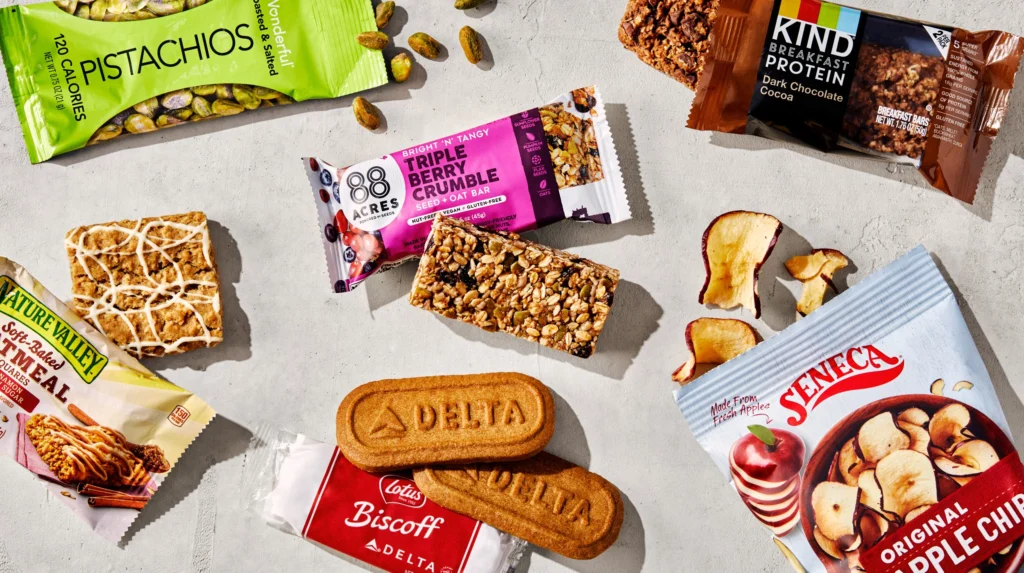
Under the updated policy, Delta will divide in-flight service into three categories based on route distance. Flights covering 0 to 349 miles will have no onboard food or beverage service at all, while those between 350 and 499 miles will receive a full snack and beverage offering. Flights exceeding 500 miles will continue with standard service unchanged.
First Class passengers will remain unaffected by the changes, continuing to receive full service regardless of flight length.
This restructuring marks a significant departure from traditional airline practices, where even the shortest flights typically included at least basic refreshments.
Major Impact on Popular Short-Haul Routes
The changes will be particularly noticeable on some of the busiest short-haul routes in the United States. High-frequency corridors such as Los Angeles to San Francisco, New York to Boston, and Atlanta to Charlotte fall within the under-350-mile category and will see the complete removal of onboard refreshments.
Passengers on these routes will need to prepare in advance by purchasing food and beverages before boarding. With no service carts moving through the cabin, the onboard experience will focus entirely on safety and streamlined operations.
For frequent business travelers who rely on these routes, the shift represents a notable change in routine, especially during tightly scheduled trips.
Mid-Range Routes See Service Upgrade
While ultra-short routes lose onboard amenities, passengers on mid-range flights between 350 and 499 miles will benefit from enhanced service. These routes will now receive full snack and beverage offerings, replacing previous limited or water-only service.
Flights such as Atlanta to Orlando and Detroit to Philadelphia fall into this category, offering an improved experience for travelers who previously had fewer onboard options.
This tiered approach aims to balance operational efficiency with passenger expectations, providing more meaningful service where time allows.
Why Delta Is Making the Change
Delta has cited safety and operational efficiency as key drivers behind the overhaul. On shorter flights, cabin crew often have limited time to complete service before descent begins, leading to rushed interactions and inconsistent delivery.
By removing service on ultra-short routes, the airline aims to streamline operations, reduce pressure on flight attendants, and ensure a smoother journey for passengers.
The decision also reflects broader industry dynamics. Competing airlines typically offer service starting at shorter distances, but Delta’s higher threshold signals a more conservative approach to onboard service in pursuit of efficiency and consistency.
What This Means for Travelers
For passengers, the new rules will require a shift in travel habits. Travelers on affected routes will need to plan ahead, ensuring they have snacks or drinks before boarding.
Airport terminals and lounges are expected to see increased demand as passengers adjust to the lack of onboard options. For eligible travelers, Delta’s lounges will continue to provide full food and beverage services, offering an alternative to in-flight offerings.
Despite the changes, passenger rights and onboard safety standards remain unchanged, with cabin crew continuing to prioritize customer care and operational safety.
Broader Industry Implications
Delta’s move is part of a wider evolution in the airline industry, where carriers are rethinking traditional service models to adapt to changing economic and operational conditions. Rising costs, efficiency pressures, and evolving passenger expectations are driving airlines to refine their offerings.
The introduction of distance-based service tiers could influence other carriers to adopt similar models, potentially redefining the standard short-haul travel experience across the industry.
Additionally, Delta is exploring further segmentation strategies, including flexible premium seating options, to enhance competitiveness and offer more tailored travel experiences.
Preparing for the New Travel Reality
Passengers flying with Delta after May 2026 should take simple steps to adapt to the new policy. Bringing personal snacks, purchasing refreshments at the airport, and reviewing flight details in advance will help ensure a smooth journey.
Travelers seeking a more traditional in-flight experience may also consider upgrading to First Class or selecting routes where full service remains available.
A New Standard for Short-Haul Flying
Delta Air Lines’ decision to eliminate snacks and drinks on ultra-short flights marks a significant shift in airline service strategy. While the move may disappoint some passengers, it reflects a broader effort to streamline operations and align services with flight duration.
As the airline industry continues to evolve, passengers can expect further adjustments to onboard experiences. For now, Delta’s latest policy signals a new era of short-haul travel—one defined by efficiency, planning, and changing expectations in the skies.
For more travel news like this, keep reading Global Travel Wire