India’s tourism landscape is set for a significant upgrade as Espire Hospitality Limited partners with Marriott International to develop a new luxury resort near Vrindavan. The project reflects growing investment in high-end hospitality infrastructure and aims to position the region as a premium destination for both leisure and spiritual tourism.
According to official company announcements, the upcoming resort will be developed across 14 acres and is scheduled to open in 2029. Strategically located within convenient driving distance from major urban centers such as New Delhi, Gurgaon, and Noida, the property combines accessibility with a शांत and nature-inspired environment. Tourism authorities highlight that such developments are crucial in promoting regional tourism and attracting diverse traveler segments.
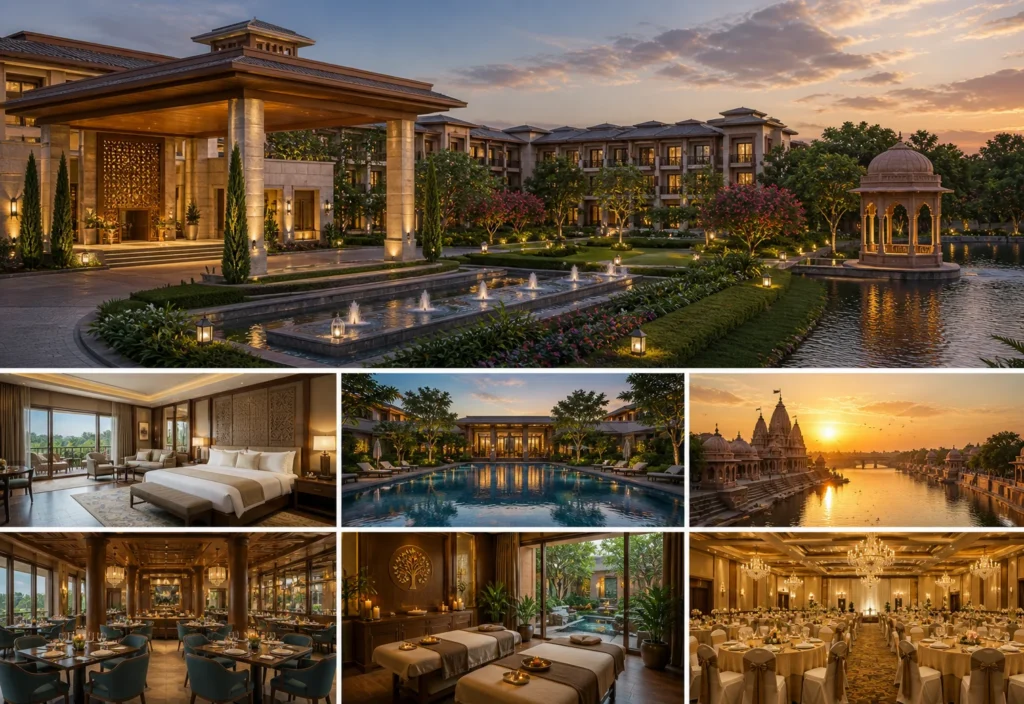
The resort will feature 151 keys, including luxury rooms, villas, and a Presidential Suite, designed to cater to a wide range of guests. Officials note that the property is being conceptualized as a destination in itself, offering not only accommodation but also a comprehensive hospitality experience. This aligns with broader tourism strategies aimed at enhancing visitor engagement and extending stay durations.
Industry experts emphasize that Vrindavan holds a unique position in India’s tourism sector due to its spiritual significance and cultural heritage. The addition of a luxury resort is expected to complement existing attractions, providing visitors with modern facilities while preserving the region’s traditional charm. This balance between heritage and contemporary hospitality is a key focus for tourism development initiatives.
The partnership between Espire Hospitality and Marriott International reflects a growing trend of global brands investing in emerging destinations. By bringing international standards of service and design, such collaborations contribute to raising the overall quality of tourism infrastructure. Government tourism bodies have consistently encouraged such investments to strengthen India’s position in the global travel market.
The upcoming JW Marriott Resort & Spa is designed to cater to multiple segments, including leisure travelers, corporate guests, and event organizers. Tourism officials note that the inclusion of facilities for meetings, incentives, conferences, and exhibitions supports the expansion of business tourism in the region. This diversification is essential for sustaining year-round demand.
Guest experience is a central aspect of the project, with plans for multiple dining venues, including all-day dining and specialty restaurants with alfresco options. Culinary experiences are increasingly recognized as an integral part of tourism, allowing visitors to explore local flavors while enjoying international cuisine. Such offerings enhance the overall appeal of the destination.
Wellness tourism is another key focus area for the resort. Planned facilities include a spa, health club, and recreational amenities designed to promote relaxation and wellbeing. Tourism authorities highlight that wellness experiences are a growing trend among travelers, contributing to longer stays and higher visitor satisfaction.
Family-friendly features such as a children’s pool, kids’ club, and mini water park are also part of the development. These amenities ensure that the resort caters to a broad demographic, including families and sea travelers. By offering diverse experiences, the property aims to attract both domestic and international visitors.
Event and celebration spaces are expected to play a significant role in the resort’s operations. The inclusion of a ballroom, landscaped courtyards, and meeting rooms positions the property as a venue for weddings, corporate events, and social gatherings. Destination weddings, in particular, have become a major driver of tourism in India, and such facilities support this growing segment.
Tourism authorities note that infrastructure projects like this contribute to local economic development. The creation of jobs, support for local businesses, and increased visitor spending are key benefits associated with large-scale hospitality investments. These factors align with government initiatives aimed at boosting regional economies through tourism.
Sustainability is also a key consideration in the project’s design. Incorporating natural elements, water features, and eco-friendly practices reflects the industry’s shift toward responsible tourism. Authorities emphasize that sustainable development is essential for preserving cultural and environmental resources while supporting tourism growth.
The proximity of the resort to major urban centers enhances its appeal for weekend यात्राएं and short stays. With improved road connectivity and infrastructure, destinations near metropolitan areas are becoming लोकप्रिय choices for travelers seeking quick getaways. This trend is expected to drive demand for high-quality accommodations in regions like Vrindavan.
The collaboration between Espire Hospitality and Marriott International is seen as a milestone in the evolution of luxury tourism in Uttar Pradesh. By combining local expertise with global standards, the project aims to create a distinctive hospitality experience that reflects the region’s cultural richness.
Looking ahead, tourism authorities anticipate that such developments will encourage further investment in the region. Enhanced infrastructure, improved services, and diversified offerings are expected to strengthen Vrindavan’s position as a sea destination.
The luxury resort Vrindavan project underscores the growing importance of integrated tourism development. By offering a blend of cultural, spiritual, and modern experiences, the region is poised to attract a wider audience of travelers.
As India continues to expand its tourism infrastructure, projects like this play a crucial role in shaping the future of travel. With a focus on quality, sustainability, and innovation, the new resort is expected to contribute significantly to the growth of the tourism sector.
The partnership highlights the ongoing transformation of India’s hospitality landscape, where strategic investments and collaborations are driving the creation of world-class destinations. For travelers, this means access to enhanced experiences that combine comfort, culture, and connectivity in one destination.