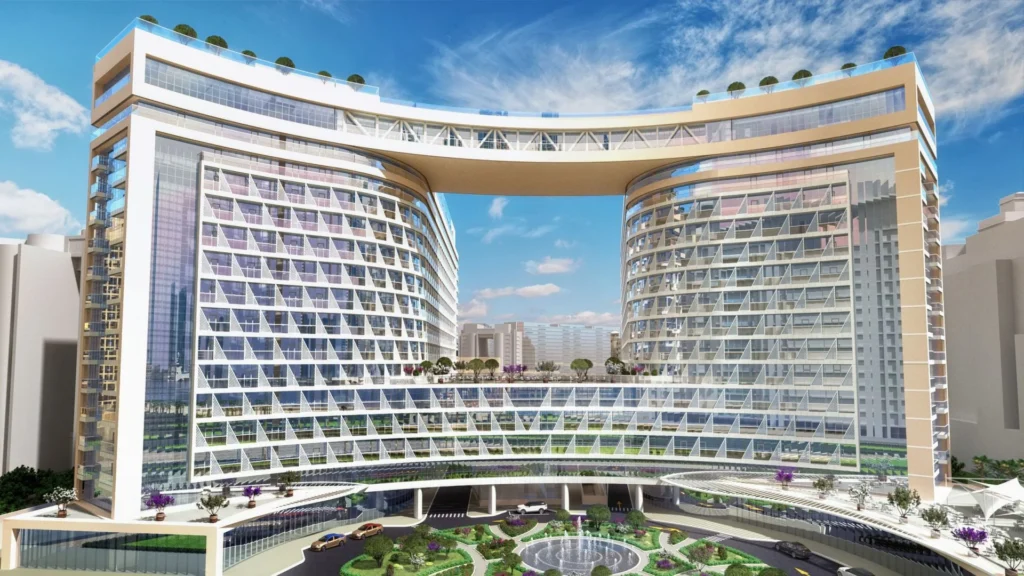
Saudi Arabia’s tourism and hospitality sector continues to expand rapidly as Adeera Hospitality begins a major recruitment drive for its first luxury hotel in King Abdullah Financial District. The development marks a significant milestone in the Kingdom’s strategy to strengthen its tourism infrastructure and enhance its position as a global travel destination.
Backed by the Public Investment Fund, Adeera Hospitality was established to develop and manage Saudi-owned hospitality brands across multiple segments. The upcoming property in Riyadh is expected to serve as a flagship project, reflecting the country’s commitment to integrating local culture with international hospitality standards.
Tourism authorities highlight that Riyadh tourism growth is being driven by large-scale investments in infrastructure, business districts, and luxury accommodations. The King Abdullah Financial District has emerged as a key hub for business and corporate travel, attracting both domestic and international visitors. The addition of a new luxury hotel is expected to further enhance the district’s appeal.
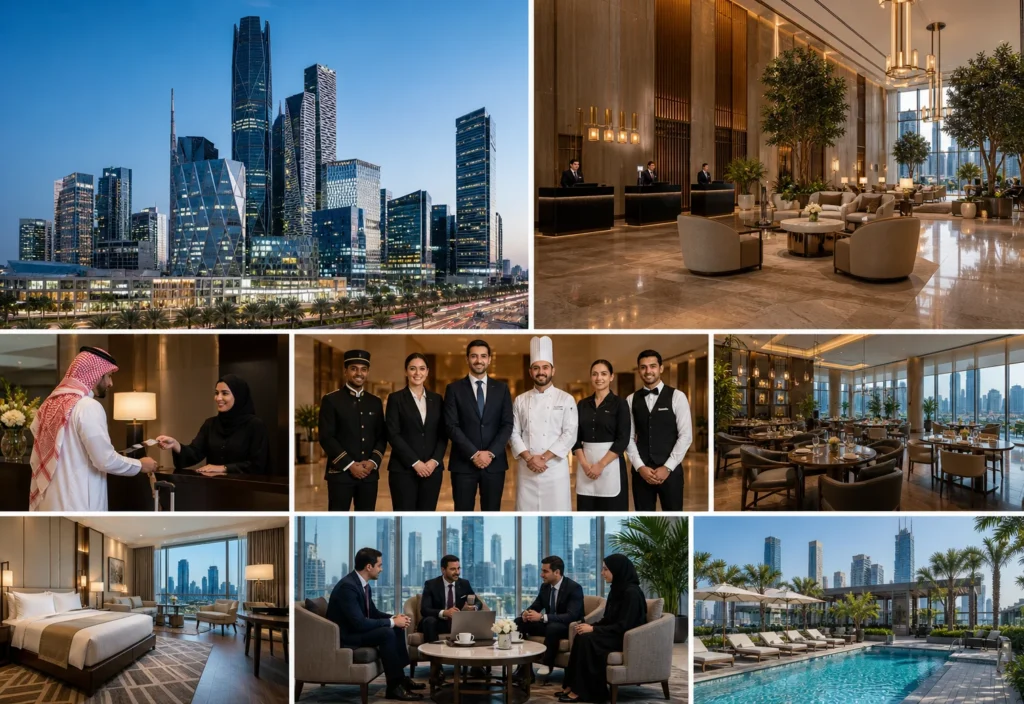
The recruitment campaign is focused on building a comprehensive team for the hotel’s launch, with opportunities spanning operational, administrative, and guest-facing roles. Positions include front office ambassadors, concierge staff, food and beverage professionals, finance specialists, and IT experts. Officials emphasize that such hiring initiatives are essential for developing a skilled workforce capable of supporting the growing tourism sector.
Government tourism strategies in Saudi Arabia place a strong emphasis on human capital development. Training and employment opportunities in hospitality are seen as critical components of the Kingdom’s long-term vision for tourism. By investing in local talent, companies like Adeera Hospitality are contributing to sustainable growth and enhancing service quality across the industry.
The upcoming hotel is designed to cater to a diverse range of travelers, including business visitors, leisure tourists, and event participants. With facilities such as dining venues, private lounges, and curated experiences, the property aims to provide a comprehensive hospitality offering. Tourism officials note that such developments are key to attracting high-value travelers and supporting the expansion of business tourism.
Riyadh’s transformation into a global destination is supported by ongoing investments in infrastructure and services. The development of modern business districts, improved connectivity, and enhanced public amenities has positioned the city as a sea hub for international travel. The hospitality sector plays a vital role in this transformation, providing the services and experiences that define visitor satisfaction.
The recruitment drive also reflects broader economic goals, including job creation and workforce development. By offering opportunities across diverse departments, the initiative supports skill development and career growth within the hospitality industry. This aligns with national objectives to diversify the economy and reduce reliance on traditional sectors.
Tourism authorities highlight that the integration of local culture into hospitality experiences is a key differentiator for Saudi Arabia. Adeera Hospitality’s approach focuses on combining traditional Saudi hospitality with global service standards, creating unique experiences for guests. This emphasis on cultural authenticity enhances the overall appeal of the destination.
The King Abdullah Financial District is particularly well-suited for such developments due to its strategic location and modern infrastructure. As a center for business and finance, the district attracts a steady flow of corporate travelers. The addition of luxury accommodation options supports this demand and contributes to the growth of MICE tourism.
Industry experts note that the demand for luxury hotels in Saudi Arabia is increasing as the country opens its doors to international visitors. High-end properties play a crucial role in attracting premium travelers, who contribute significantly to tourism revenue. The development of new hotels is therefore a key priority for the sector.
The focus on training and development is another important aspect of the project. Roles such as learning and development coordinators and people and culture executives highlight the importance of continuous skill enhancement. By investing in employee training, the hotel aims to maintain high standards of service and adapt to evolving industry trends.
Technology is also a key component of modern hospitality operations. The inclusion of IT specialists in the recruitment drive underscores the importance of digital systems in managing guest experiences, reservations, and operational efficiency. Tourism authorities emphasize that technology integration is essential for maintaining competitiveness in the global market.
The hospitality sector in Saudi Arabia is undergoing rapid transformation, driven by government initiatives and private sector investment. Projects like the KAFD hotel demonstrate the scale and ambition of these efforts. By creating world-class facilities and services, the country is positioning itself as a leading destination for international tourism.
The recruitment initiative also highlights the importance of collaboration between government entities and private companies. Such partnerships are essential for achieving national tourism goals and ensuring the successful implementation of large-scale projects. By working together, stakeholders can create a मजबूत and sustainable tourism ecosystem.
Looking ahead, the continued expansion of hospitality infrastructure is expected to drive further growth in Riyadh tourism. New developments, combined with ongoing investments in services and connectivity, will enhance the city’s appeal to travelers from around the world.
The launch of hiring for the KAFD luxury hotel represents a significant step in this journey. By building a skilled workforce and delivering high-quality experiences, Adeera Hospitality is contributing to the broader transformation of Saudi Arabia’s tourism sector.
As the Kingdom continues to open up to global travel, initiatives like this play a crucial role in shaping the future of tourism. With a focus on quality, innovation, and cultural integration, Riyadh is set to become a sea destination for both business and leisure travelers.
Riyadh tourism growth is therefore not only about infrastructure but also about people, experiences, and services. By investing in talent and hospitality excellence, Saudi Arabia is creating a travel environment that meets the expectations of modern visitors while reflecting its rich cultural heritage.