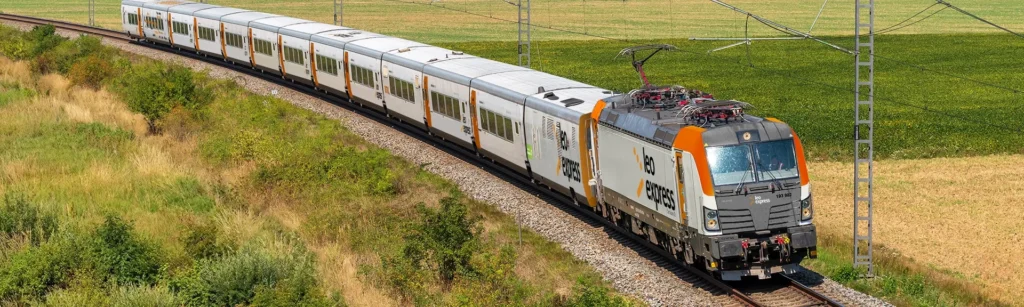
Central Europe’s rail travel network is facing major operational disruption after Czech rail operator Leo Express confirmed that two of its three Talgo high-speed trainsets have been withdrawn from service due to ongoing technical issues.
The suspension, announced during May 2026, is affecting several important cross-border rail routes connecting Prague, Vienna, Krakow, and other major Central European destinations. The disruption arrives during one of Europe’s busiest spring travel periods, creating significant challenges for both commuters and international tourists traveling across the region.
Leo Express says the trains have been removed from operation for extensive maintenance inspections and safety evaluations while engineers work to resolve the technical faults impacting reliability and performance.
Industry experts note that the withdrawal of two-thirds of the operator’s Talgo fleet places considerable strain on the company’s network capacity and scheduling flexibility.
Technical Problems Trigger Delays and Capacity Shortages Across Key Routes
The Talgo trains play a major role within Leo Express’s international rail operations, particularly on high-demand routes connecting the Czech Republic with Austria, Poland, and Slovakia.
While the company has not publicly disclosed the exact nature of the technical defects, reports indicate the issues involve mechanical systems critical to train operation and safety performance.
As a result, passengers are already experiencing delays, overcrowded services, reduced departures, and route disruptions on several cross-border journeys.
Transportation analysts say operational disruptions involving modern high-speed train fleets can quickly affect regional rail systems, particularly when replacement rolling stock availability is limited.
The suspension also highlights the growing pressure facing European rail operators to maintain service reliability amid increasing passenger demand for sustainable international rail travel.
Prague, Vienna, and Krakow Tourism Routes Face Major Travel Challenges
The disruption is particularly significant for tourists traveling between some of Central Europe’s most popular tourism destinations.
Prague, Vienna, and Krakow remain among Europe’s leading city-break and cultural tourism markets, attracting millions of international visitors annually through their historic architecture, museums, nightlife, gastronomy, and heritage attractions.
Leo Express’s Talgo trains have become a preferred option for travelers seeking faster and more comfortable intercity rail connections across the region.
Tourism operators warn that reduced train capacity could complicate travel itineraries for visitors moving between multiple European cities during the peak summer tourism season.
Travelers heading to destinations such as Prague’s Old Town, Vienna’s Hofburg Palace, and Krakow’s medieval city center may now face longer travel times, tighter connections, and increased congestion on alternative rail services.
Leo Express Introduces Temporary Passenger Solutions
Leo Express says passenger safety remains its highest priority and has introduced temporary contingency measures to reduce disruption across its network.
Affected passengers are being offered rebooking options on alternative Leo Express services, although reduced capacity means some travelers may encounter extended waiting periods and busier trains.
The operator is also advising travelers to monitor live service updates through its website and mobile application while remaining flexible with journey planning during the ongoing disruption period.
Passengers with pre-booked Talgo reservations are being encouraged to contact customer service regarding ticket modifications, refunds, and replacement transportation arrangements.
Rail industry observers say transparent communication and rapid operational adjustments are critical during service disruptions, particularly for international passengers unfamiliar with regional rail systems.
Central Europe’s Growing Rail Tourism Sector Faces New Operational Pressures
The disruption comes at a time when international rail travel across Central Europe is experiencing strong growth due to increasing demand for sustainable transportation alternatives.
Rail tourism between cities such as Prague, Vienna, Budapest, Krakow, and Berlin has expanded significantly as travelers seek environmentally friendly alternatives to short-haul flights.
European governments and tourism authorities continue investing heavily in rail infrastructure and international train connectivity as part of broader climate and sustainable tourism strategies.
However, the Leo Express situation also highlights the operational challenges faced by independent and private rail operators competing within Europe’s increasingly complex cross-border transportation market.
Transportation experts note that fleet reliability, maintenance planning, and rolling stock availability remain central concerns as passenger demand continues rising throughout Europe’s rail sector.
Alternative Transportation Options Gain Importance for Travelers
With reduced Talgo train capacity, many passengers are now turning toward alternative transportation methods including regional rail services, long-distance buses, car rentals, and competing train operators.
Tourism experts advise travelers visiting Central Europe during the coming weeks to build additional flexibility into travel itineraries, especially when planning multi-city rail journeys.
Hotels, tour operators, and travel agencies across the region are also monitoring the disruption closely as delays and cancellations may affect group tours, conference travel, and international tourism schedules.
Industry analysts say the incident reinforces the importance of integrated transportation planning within Europe’s tourism economy, where rail networks increasingly serve as the backbone of regional travel.
Rail Reliability Remains Essential for Europe’s Sustainable Tourism Goals
The operational challenges facing Leo Express arrive during a broader European push toward rail-based tourism and low-emission transportation systems.
European Union transportation policies continue encouraging travelers to shift from aviation toward rail travel for medium-distance international journeys as part of sustainability and climate initiatives.
High-speed rail operators are expected to play an increasingly important role in connecting major tourism markets while reducing transportation emissions across the continent.
However, industry experts stress that long-term success will depend heavily on infrastructure reliability, fleet resilience, passenger confidence, and operational consistency.
Leo Express Works to Restore Full Operations Ahead of Peak Summer Travel
As Leo Express continues working to repair and restore the affected Talgo trainsets, uncertainty remains regarding the timeline for returning the trains to service.
The company says it will continue providing operational updates while collaborating with technical teams to ensure all safety and maintenance requirements are fully addressed before resuming normal operations.
For travelers planning rail journeys across Central Europe in the coming weeks, flexibility and real-time schedule monitoring are likely to remain essential as the situation evolves.
With summer tourism demand rapidly approaching its peak, the disruption also serves as a reminder of the growing importance of resilient rail systems within Europe’s expanding cross-border travel economy.
For more travel news like this, keep reading Global Travel Wire