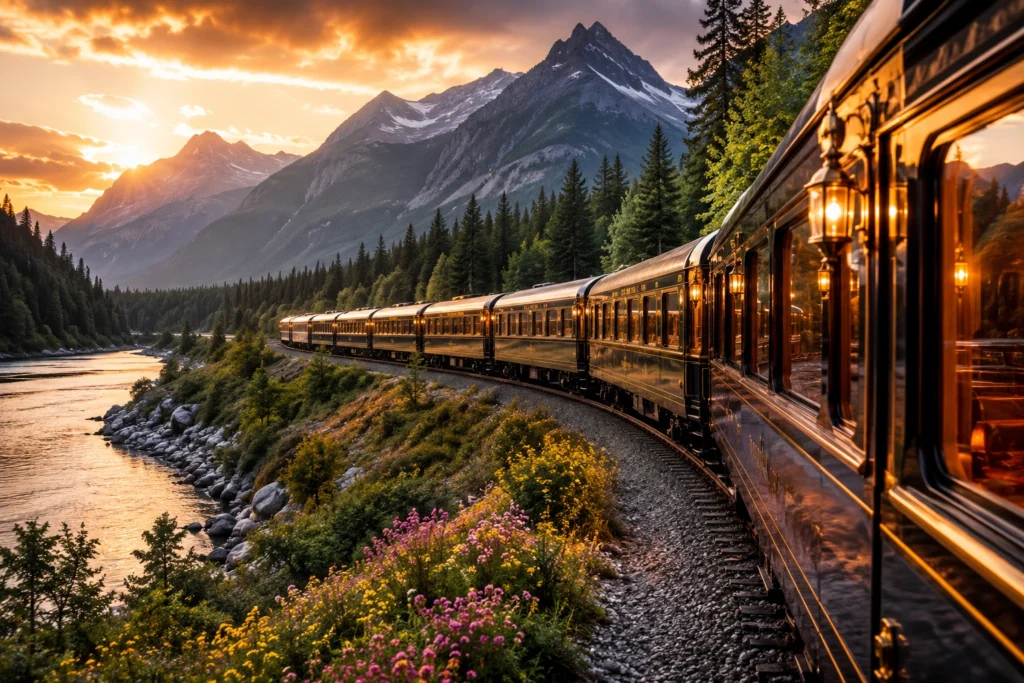
Luxury train travel is experiencing a dramatic worldwide revival in 2026 as travelers increasingly abandon rushed itineraries in favor of immersive slow-travel experiences that blend heritage, fine dining, cinematic design, and regional tourism development. From the elegant carriages of Britain’s iconic rail routes to Australia’s legendary transcontinental journeys, luxury trains are rapidly becoming one of the tourism industry’s most powerful high-value sectors.
The renewed momentum behind luxury rail tourism is reshaping traveler behavior across Europe, Australia, and other long-haul destinations as tourism authorities and rail operators focus on experience-led journeys instead of simple transportation. Industry leaders say the growing demand reflects a wider shift toward meaningful travel experiences where comfort, culture, scenery, and storytelling matter as much as the destination itself.
Travel agencies and tourism boards worldwide are reporting heightened interest in multi-day rail itineraries, premium onboard hospitality, curated regional dining, and heritage-inspired accommodations. The result is a booming sector that is helping revitalize regional economies while introducing a new generation of travelers to the romance of classic rail journeys.
Slow Travel Becomes the Defining Tourism Trend of 2026
The global tourism industry has increasingly embraced slow travel as one of the defining movements of the post-pandemic era, and luxury rail has emerged as its most visible symbol. Travelers are now prioritizing journeys that allow deeper engagement with landscapes, local culture, and authentic hospitality experiences.
Unlike traditional air travel, luxury trains encourage passengers to slow down and immerse themselves in changing scenery, onboard social experiences, and destination storytelling. Tourism experts note that the emotional appeal of rail travel has become particularly important among affluent travelers seeking meaningful alternatives to crowded airports and fast-paced itineraries.
This trend is also generating substantial economic opportunities for local communities. Luxury rail routes often pass through remote towns and regional destinations that benefit directly from increased visitor spending, hospitality partnerships, artisan supply chains, and culinary tourism initiatives.
Officials involved in regional tourism development say the luxury rail sector is now playing a growing role in preserving cultural heritage while supporting sustainable tourism growth.
British Pullman and Cinematic Rail Experiences Drive UK Demand
One of the most talked-about developments in the luxury rail sector is the transformation of Britain’s heritage rail experiences into immersive cinematic journeys. The British Pullman has become a centerpiece of this trend, attracting global attention for its theatrical interiors and nostalgic glamour.
Travelers are increasingly drawn to artistically designed carriages inspired by vintage European rail aesthetics and classic film production styles. Specially curated onboard experiences now combine fine dining, themed entertainment, and luxury hospitality with scenic routes through the English countryside.
Industry observers say this creative approach has successfully modernized the perception of rail tourism for younger luxury travelers while preserving the timeless appeal of classic train journeys.
The integration of cinema-inspired design elements, elegant dining cars, and curated experiences has transformed luxury trains into destinations themselves rather than simply a mode of transportation. Tourism operators believe this strategy is helping the UK rail tourism sector attract strong international demand throughout the 2026 travel season.
Australia’s The Ghan Reinforces the Power of Regional Tourism
Australia is also seeing major gains from the luxury rail renaissance as iconic journeys such as The Ghan continue attracting travelers eager to explore the country’s vast interior landscapes.
Running through the heart of Australia, The Ghan has become one of the world’s most recognizable rail adventures, combining premium accommodations with immersive regional experiences across the Outback. Travelers are increasingly seeking experiences that connect them with Australia’s remote communities, Indigenous heritage, desert landscapes, and regional food culture.
Tourism organizations say the popularity of these journeys is generating strong economic benefits for regional suppliers, local wineries, hospitality operators, and food producers.
Luxury rail dining has also become a defining part of the experience. Regional ingredients including saltwater barramundi, native Australian produce, and locally sourced wines are helping position rail tourism as an important contributor to culinary travel trends.
Hospitality experts say this regional-first approach is strengthening Australia’s reputation for experiential tourism while encouraging longer visitor stays and higher tourism spending across interior destinations.
Heritage Preservation and Tourism Growth Move Together
The resurgence of luxury train travel is also supporting large-scale preservation efforts for historic rail infrastructure and heritage carriages. Rail operators and tourism authorities are investing heavily in restoration projects, upgraded hospitality services, and workforce development to meet growing global demand.
Industry analysts believe the luxury rail market is entering a long-term growth phase as travelers continue seeking slower, experience-driven forms of tourism. The sector’s success is increasingly being linked to its ability to combine nostalgia with modern luxury standards.
Tourism leaders argue that luxury rail travel represents more than a premium tourism product. It has become a powerful example of how heritage tourism, regional development, hospitality innovation, and sustainable travel can work together to create resilient economic growth.
As luxury rail journeys continue gaining popularity across international tourism markets, the 2026 travel season is quickly proving that the romance of the rails is no longer a niche experience. Instead, it has become one of the strongest symbols of modern experiential tourism.
From the polished elegance of British heritage trains to the vast red landscapes crossed by Australia’s legendary rail routes, travelers are rediscovering that the journey itself can once again become the greatest destination of all.
For more travel news like this, keep reading Global Travel Wire