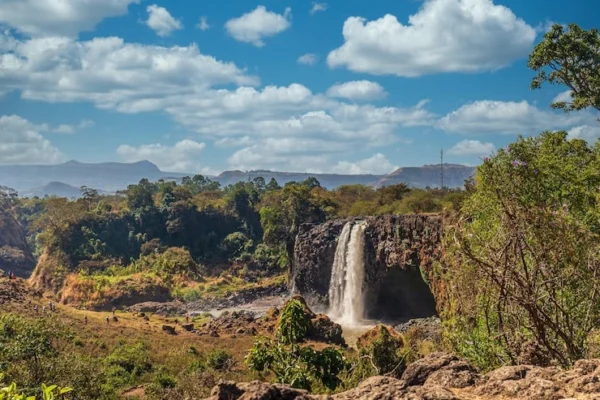
Zimbabwe is rapidly strengthening its position as one of Africa’s most exciting tourism destinations after recording a dramatic surge in tourism-related investment and international visitor growth in early 2026. New figures released by tourism authorities show that investment in the sector climbed to an impressive $678 million during the first quarter of the year, marking a massive 438 percent increase compared to the same period in 2025.
The sharp rise reflects growing international confidence in Zimbabwe’s tourism industry, particularly across eco-tourism, wildlife conservation, safari hospitality, and sustainable travel experiences. Tourism officials say the momentum is being fueled by global recognition for the country’s natural attractions, expanding regional travel demand, and increased interest from international markets seeking authentic African experiences.
Zimbabwe’s growing tourism profile comes as the country receives major international accolades, including recognition at ITB Berlin 2026 as Destination of the Year for Natural Wonders. The country has also gained visibility among global travelers following its inclusion as a leading destination for nature and safari tourism.
International Visitor Numbers Continue Rising
According to the Zimbabwe Tourism Authority, the country recorded an 11 percent increase in international arrivals during the first quarter of 2026, welcoming more than 384,000 visitors. Tourism receipts also rose significantly, increasing 14 percent year-on-year to reach approximately $251 million.
The rise in arrivals highlights Zimbabwe’s strengthening reputation as a destination for safari tourism, adventure travel, and cultural heritage experiences. Tourism operators say demand is particularly strong for iconic attractions such as Victoria Falls, Hwange National Park, and experiences along the Zambezi River.
Zimbabwe’s tourism growth reflects wider global demand for nature-based tourism and eco-friendly travel experiences, especially among travelers seeking alternatives to heavily crowded destinations.
Hospitality businesses, safari lodges, and conservation tourism operators have all benefited from the increased demand, helping stimulate broader economic activity throughout tourism-dependent regions.
African Travelers Drive the Majority of Growth
Regional tourism remains the foundation of Zimbabwe’s tourism success, with African travelers accounting for approximately 75 percent of all international arrivals.
Mozambique recorded the strongest increase in visitor numbers, followed by growth from Malawi, South Africa, and Zambia. Tourism analysts say these trends underline the growing importance of regional travel within Southern Africa, where improving connectivity and rising interest in cross-border tourism continue supporting demand.
The increase in regional arrivals also highlights the resilience of African tourism markets during periods of international economic uncertainty and global travel disruption.
Zimbabwe tourism authorities have increasingly focused on strengthening regional partnerships and promoting affordable travel experiences that encourage neighboring countries to explore the nation’s wildlife, landscapes, and cultural attractions.
Overseas Markets Show Strong Recovery
Zimbabwe is also seeing encouraging growth from long-haul international markets. Britain and Ireland recorded one of the fastest increases in arrivals, with visitor numbers rising sharply compared to the previous year.
Tourism officials say the renewed international interest reflects successful destination marketing efforts focused on Zimbabwe’s natural beauty, safari experiences, and heritage tourism offerings.
The country’s global visibility has also benefited from international awards and tourism recognition events that have elevated Zimbabwe’s profile among adventure travelers, luxury safari tourists, and eco-conscious visitors.
Industry leaders believe the country is increasingly being viewed as a high-value African destination capable of competing with established safari tourism markets across the continent.
Domestic Tourism Plays a Major Economic Role
Domestic travel is also contributing significantly to Zimbabwe’s tourism expansion. Local tourism activity rose strongly during the first quarter of 2026, with millions of domestic trips recorded across the country.
Authorities say the increase reflects growing interest in social tourism, educational travel, religious journeys, and family vacations within Zimbabwe. Tourism campaigns encouraging citizens to explore local attractions are helping stimulate economic activity while strengthening national tourism resilience.
Domestic visitors continue supporting key destinations including Victoria Falls, Hwange National Park, Great Zimbabwe, and other cultural and natural heritage sites.
Tourism planners note that a strong domestic tourism sector provides stability during periods when international travel markets face external disruptions.
Sustainability and Conservation Remain Central to Growth
Zimbabwe’s tourism strategy increasingly emphasizes sustainable development, wildlife conservation, and community involvement.
Investment in eco-tourism projects and conservation partnerships has accelerated as operators seek to balance tourism growth with environmental protection. Safari tourism, nature reserves, and conservation-focused lodges are attracting travelers who prioritize responsible tourism experiences.
Authorities say community-based tourism initiatives are also helping local populations benefit directly from visitor spending, creating employment opportunities while supporting conservation goals.
Tourism experts believe Zimbabwe’s natural landscapes and biodiversity position the country strongly within the global sustainable tourism market, which continues expanding rapidly.
Challenges Persist Amid Global Travel Uncertainty
Despite the strong performance, Zimbabwe’s tourism sector still faces external challenges tied to geopolitical tensions and rising travel costs.
Tourism authorities have acknowledged that disruptions affecting international air routes and increasing fuel prices could impact overseas visitor growth in certain markets. Airlines globally continue facing operational pressures linked to higher fuel costs, which may affect airfare pricing and long-haul travel demand.
However, regional African tourism is expected to remain more stable, helping cushion the sector against wider global volatility.
In response, tourism officials are promoting diversified travel strategies that include overland tourism, regional rail connectivity, and multi-destination travel experiences designed to reduce reliance on expensive international air travel.
Zimbabwe Strengthens Its Position as a Leading African Destination
Tourism leaders remain optimistic about Zimbabwe’s long-term outlook as infrastructure investment, conservation initiatives, and global recognition continue strengthening the country’s tourism profile.
Authorities believe the combination of natural wonders, wildlife experiences, cultural heritage, and sustainable tourism development will continue attracting travelers from across Africa and international markets alike.
As global travelers increasingly seek authentic, nature-driven experiences, Zimbabwe is emerging as one of Africa’s most dynamic tourism success stories of 2026.
From the thunderous power of Victoria Falls to the vast wildlife landscapes of Hwange and the cultural richness of its heritage sites, Zimbabwe’s tourism resurgence is positioning the country as a major destination for the next generation of global adventure and eco-travel experiences.
For more travel news like this, keep reading Global Travel Wire