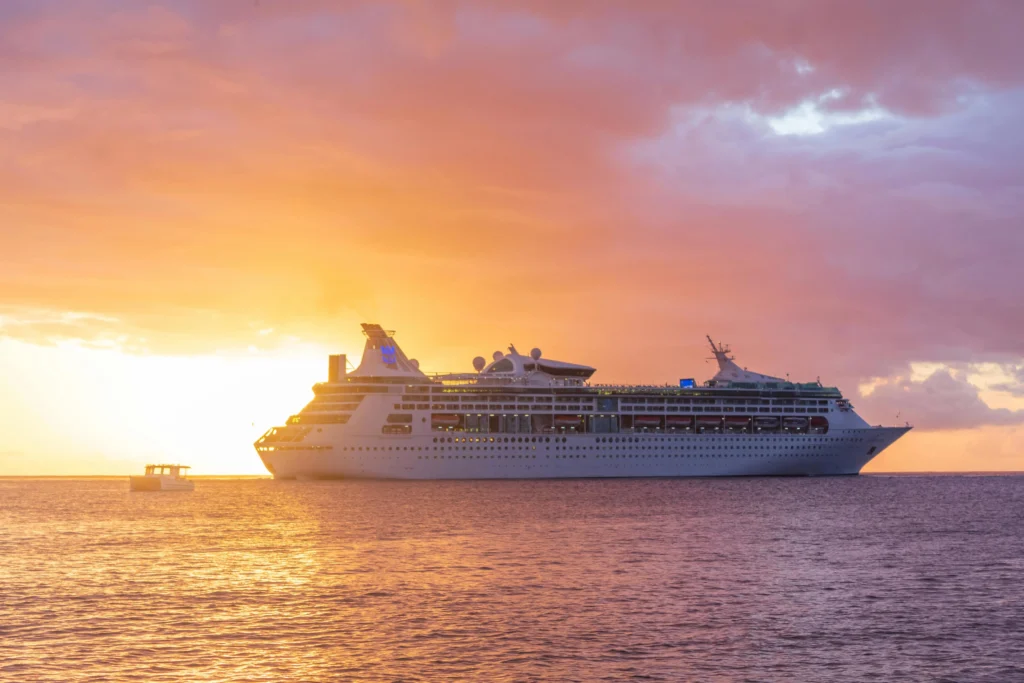
A deadly hantavirus outbreak aboard the MV Hondius has triggered a complex multinational evacuation from the Canary Islands. The Dutch-flagged cruise ship, which arrived in Tenerife early Sunday, has become the focal point of a global public health crisis. At least three passengers, a Dutch couple and a German woman, have died, while 146 others, including 17 Americans, remain on board. This unprecedented scenario highlights the fragile intersection between luxury maritime travel and rare, deadly pathogens.
A Coordinated Global Response
The evacuation process unfolded with military precision at the commercial port of Granadilla. Spanish citizens were the first to disembark, boarding small boats in tightly controlled groups of five to ten. Each step was overseen by medical personnel clad in full hazmat suits to ensure no contact with the civilian public. After disembarkation, Spanish passengers were flown to Madrid for isolation in a military hospital, where they will undergo at least a 72-hour quarantine. The pathogen’s long incubation period means that isolation could extend further, depending on follow-up assessments.
International flights for other passengers are already underway. Diplomatic teams organized repatriation flights to Canada, Turkey, France, the United Kingdom, and the United States, with medical teams standing by at each arrival point. The World Health Organization (WHO) classified all former passengers as high-risk contacts requiring a 42-day medical watch.
Tracing the Origins of the Outbreak
The outbreak’s timeline began weeks earlier when the MV Hondius set sail from Argentina, embarking on a 33-day voyage. The vessel had made stops in South America before arriving in Cape Verde, where three infected passengers were previously evacuated. Epidemiologists believe that the initial infections occurred during rural shore excursions, where passengers likely inhaled aerosolized rodent droppings. Once aboard, the Andes virus, a rare variant known for its potential human-to-human transmission, spread through close contact. Unlike typical respiratory infections, this strain attacks the lungs, leading to rapid respiratory failure and high mortality rates.
Impact on Global Cruise Tourism
The global cruise industry, already grappling with diminished public confidence post-pandemic, faces another potential blow. The financial cost of chartering dedicated medical flights and enforcing lengthy quarantines will likely run into millions of dollars. Industry analysts warn that this episode could reshape insurance policies for cruise operators, forcing a reevaluation of onboard medical preparedness and rapid response protocols.
Lessons for Global Health Security
The crisis also serves as a stark warning to emerging tourist hubs, especially in East Africa. Kenya, which relies heavily on international cruise tourism at the Port of Mombasa, must consider its preparedness for such health emergencies.
For more travel news like this, keep reading Global Travel Wire