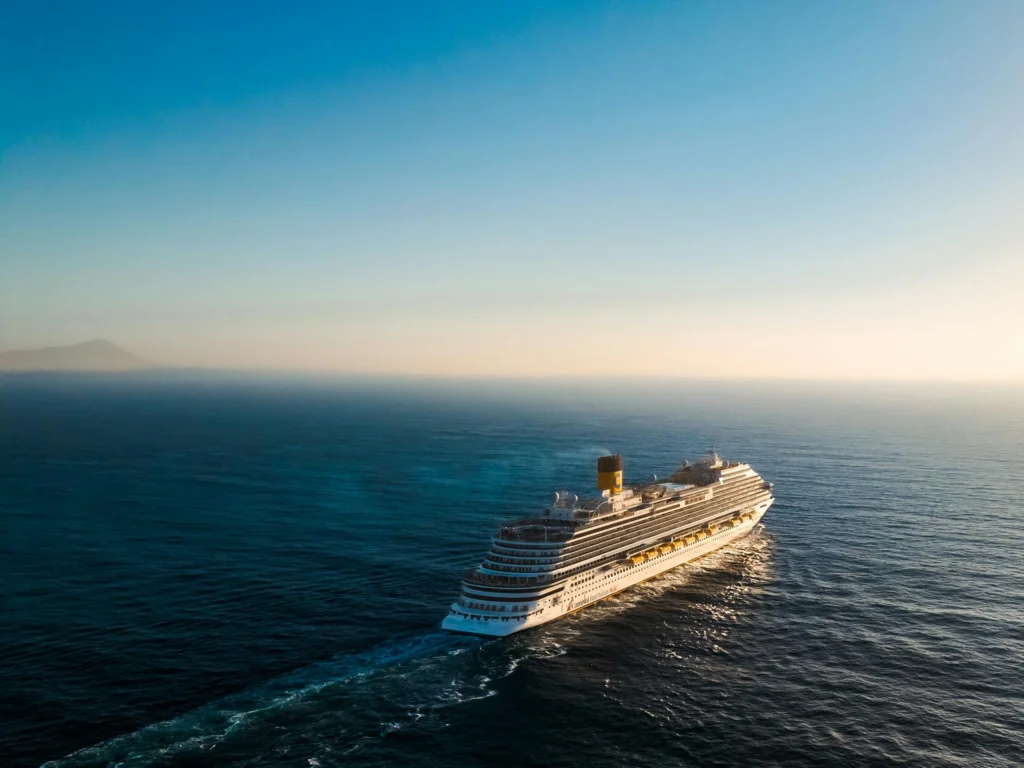
A large-scale international evacuation effort is underway in the Canary Islands as passengers from a quarantined cruise ship begin returning home. Spanish authorities initiated the disembarkation process at the port of Granadilla on Tenerife, where passengers and crew left the vessel under strict health protocols. This coordinated effort is unfolding as health experts and officials monitor the situation, reassuring the public that the risk remains far lower than during the COVID-19 pandemic.
A Carefully Managed Disembarkation Process
Spanish passengers were the first to disembark the Dutch-flagged vessel, boarding small boats in groups carefully monitored by medical teams in hazmat suits. Once ashore, they were immediately placed on buses and transported to a chartered flight bound for Madrid. There, the passengers will undergo mandatory isolation at a military hospital, with quarantine expected to last at least 72 hours, and possibly longer, given the unknown incubation period. Meanwhile, international passengers are being prepared for sequential flights to their home countries, including the United States, Canada, Turkey, France, and the United Kingdom. These flights are being organized rapidly as authorities coordinate across borders to ensure every passenger reaches a safe medical facility.
Tracing the Outbreak: From South America to the Atlantic
The outbreak began weeks ago when the MV Hondius departed Ushuaia, Argentina, embarking on a 33-day cruise across the Atlantic. After several South American shore excursions, passengers started falling ill. The first casualties, a Dutch couple and a German woman, died from severe respiratory distress, a hallmark of New World hantaviruses. Epidemiologists suspect the virus was contracted during rural stops in South America, where rodent exposure likely occurred. Unlike common respiratory viruses, the Andes strain of hantavirus is uniquely capable of human-to-human transmission, a rare but terrifying possibility that has driven global alarm.
Public Health Reassurance and Global Impact
While the public health risk is concerning, officials stress that the outbreak is still contained, and the overall risk to global public health remains low compared to the COVID-19 pandemic. The World Health Organization has deployed expert teams to monitor the situation closely, ensuring all repatriated passengers receive medical follow-ups. Cruise operators will likely face renewed scrutiny regarding onboard medical capacities, as the financial burden of chartering specialized flights and quarantines mounts. This incident may force industry leaders to reassess their emergency response plans to avoid financial collapse or reputational harm in the future.
Lessons for Emerging Tourism Markets
The Canary Islands’ response to this outbreak is also a crucial lesson for emerging tourism destinations worldwide. In East Africa, for example, Kenya’s coastal tourism hub at Mombasa relies heavily on luxury cruise vessels.
For more travel news like this, keep reading Global Travel Wire