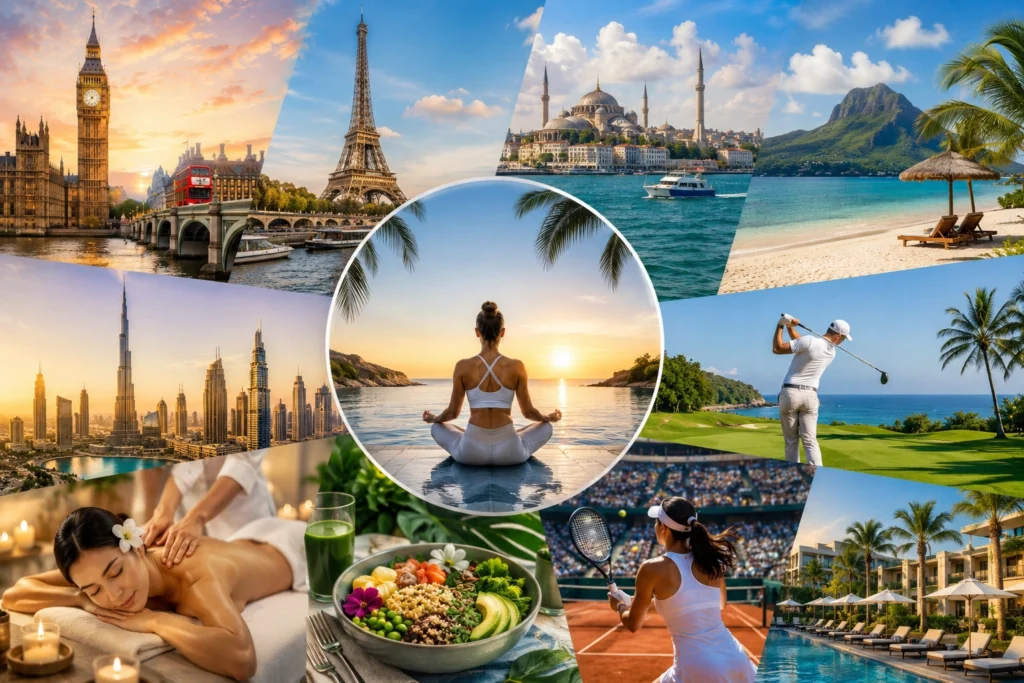
The global luxury hospitality industry is rapidly transforming as wellness tourism, sports-inspired travel, and experiential luxury holidays emerge as the dominant forces shaping international tourism in 2026. The United Arab Emirates, United Kingdom, France, Türkiye, Sri Lanka, Mauritius, Canada, and India are now positioning themselves at the forefront of this expanding travel movement as major hospitality brands redesign premium vacations around fitness, recovery, cultural immersion, gastronomy, and restorative experiences.
Shangri-La’s newly launched seasonal summer initiative running from May through August 2026 highlights how deeply wellness-led tourism is influencing the future of global hospitality. The program spans destinations including Dubai, Abu Dhabi, London, Paris, Toronto, Istanbul, Mauritius, Colombo, Hambantota, New Delhi, and Bengaluru, offering travelers curated experiences centered on movement, mindfulness, luxury, and destination-driven exploration.
Industry analysts say the shift reflects a broader transformation in traveler behavior as affluent tourists increasingly prioritize emotional wellbeing, active lifestyles, and immersive experiences over traditional leisure-only vacations.
Wellness Tourism Becomes One of Travel’s Fastest-Growing Sectors
The luxury travel industry has entered a new era where wellness extends far beyond spas and traditional relaxation packages.
Today’s premium travelers are increasingly seeking journeys that combine:
- Fitness and movement
- Mental wellbeing
- Culinary exploration
- Cultural immersion
- Sports tourism
- Nature experiences
- Restorative luxury
According to international wellness tourism projections, the global wellness travel market is expected to surpass US$1.3 trillion in the coming years, making it one of the fastest-growing sectors within global tourism.
At the same time, sports tourism now accounts for a significant share of worldwide travel spending as millions of travelers increasingly plan trips around live sporting events, golf tourism, cycling routes, wellness retreats, and active lifestyle experiences.
Luxury hospitality brands are therefore shifting focus away from simply selling accommodation and instead building complete destination-based lifestyle ecosystems.
Europe’s Luxury Capitals Reinvent Urban Wellness Travel
Paris and London Combine Fitness, Wellness, and Luxury
Paris and London are emerging as two of Europe’s most influential wellness-led urban travel destinations.
In France, luxury hotels are increasingly integrating jogging experiences along the Seine, Eiffel Tower fitness routes, wellness therapies, and fine dining into premium city break itineraries.
Paris has experienced rising demand for active luxury tourism as travelers seek healthier travel lifestyles that combine iconic urban experiences with physical and mental rejuvenation.
Meanwhile, London’s luxury hospitality market is increasingly focused on wellness-integrated city stays featuring:
- Skyline yoga sessions
- Infinity pool experiences
- Riverfront running routes
- Spa-focused urban escapes
- Recovery-centered wellness programs
Travel experts say affluent travelers are extending city visits by blending sightseeing with restorative experiences, particularly in high-density metropolitan destinations where relaxation and mental wellness are becoming major travel priorities.
UAE Strengthens Position as Wellness Luxury Hub
Dubai and Abu Dhabi Expand Experiential Hospitality
The United Arab Emirates continues accelerating its rise as one of the world’s leading luxury tourism destinations through aggressive investment in wellness-focused hospitality experiences.
Hotels across Dubai and Abu Dhabi are increasingly integrating:
- Wellness retreats
- Fitness programming
- Spa rituals
- Curated dining experiences
- Extended luxury stay packages
- Mindfulness and recovery programs
The UAE’s year-round sunshine, premium infrastructure, luxury shopping, and strong global airline connectivity continue attracting wellness travelers from Europe, Asia, and the Middle East.
Tourism authorities across the Gulf region are also increasingly promoting wellness tourism as a strategic growth sector capable of diversifying travel demand beyond traditional luxury leisure offerings.
Dubai and Abu Dhabi are particularly benefiting from rising “bleisure” travel trends where business travelers extend work trips into longer wellness-focused vacations.
Türkiye and Canada Blend Culture With Lifestyle Travel
Istanbul and Toronto Capture Experiential Tourism Demand
Türkiye’s luxury tourism sector is increasingly focused on combining cultural authenticity with modern wellness experiences.
In Istanbul, luxury hospitality brands are emphasizing:
- Turkish hammam rituals
- Personalized spa experiences
- Culinary tourism
- Bosphorus wellness escapes
- Heritage-inspired movement activities
Türkiye’s tourism strategy increasingly targets high-spending travelers interested in immersive experiences rather than conventional sightseeing itineraries.
Meanwhile, Canada is also experiencing strong growth in urban wellness tourism, particularly in Toronto where luxury hotels are offering:
- Yoga experiences
- Ice bath therapy
- Wellness dining
- Sports-linked travel packages
- Lifestyle-focused city escapes
Toronto’s growing prominence as a sports and entertainment destination is further strengthening its attractiveness for experiential luxury travel.
Mauritius and Sri Lanka Dominate Indian Ocean Wellness Travel
Long-Haul Luxury Tourism Continues Growing
The Indian Ocean remains one of the world’s strongest-performing regions for luxury resort tourism, particularly among long-haul wellness travelers.
Mauritius continues attracting European and Middle Eastern visitors through:
- Golf tourism
- Beach wellness retreats
- Water sports
- Family luxury travel
- Spa-focused resort experiences
Meanwhile, Sri Lanka is rapidly strengthening its position within the global wellness tourism market through a combination of:
- Ayurveda
- Nature tourism
- Coastal wellness retreats
- Golf experiences
- Mindfulness travel
- Biodiversity-focused tourism
Industry analysts believe Sri Lanka’s affordability, cultural richness, and natural diversity provide a competitive advantage for travelers seeking experiential luxury without the overcrowding associated with larger tourism markets.
India’s Luxury Hospitality Sector Evolves Beyond Traditional Tourism
India’s premium hospitality industry is also increasingly embracing wellness-driven tourism trends.
Luxury hotels across New Delhi and Bengaluru are promoting:
- Yoga retreats
- Holistic wellness experiences
- Mindfulness programs
- Fitness-oriented stays
- Restorative luxury packages
India’s wellness tourism market has experienced strong growth due to increasing global interest in Ayurveda, holistic healing, and mental wellbeing travel.
Extended stays and immersive experiences are becoming especially popular among urban professionals seeking recovery-focused vacations rather than short sightseeing trips.
Sports Tourism and Active Travel Drive New Booking Trends
Another major trend reshaping global luxury tourism is the rise of sports-inspired travel experiences.
Travelers are increasingly planning trips around:
- Tennis tournaments
- Golf retreats
- Cycling tourism
- Outdoor fitness experiences
- Wellness-focused sporting events
Sports tourism now plays a growing role in destination marketing strategies as younger affluent travelers prioritize movement, adventure, and personalized itineraries.
Industry experts say destinations capable of combining luxury hospitality with active lifestyle experiences are likely to dominate premium tourism growth throughout the next decade.
Luxury Hospitality Evolves Into Lifestyle Ecosystem
The future of global luxury travel is increasingly centered around emotional connection, wellness integration, and destination storytelling.
Hospitality brands are no longer competing solely through room design or exclusivity. Instead, travelers now expect experiences that combine:
- Health and wellness
- Cultural authenticity
- Gastronomy
- Active lifestyles
- Sustainability
- Personalized experiences
As destinations including Dubai, Abu Dhabi, London, Paris, Istanbul, Toronto, Colombo, Hambantota, Mauritius, and New Delhi continue expanding experiential tourism infrastructure, the global hospitality industry is rapidly evolving into a broader lifestyle ecosystem shaped by restorative travel, movement, and meaningful destination engagement.
For more travel news like this, keep reading Global Travel Wire