The movement toward fully integrated continental travel has taken a major step forward as Austrian private rail operator Westbahn announced its strong backing for the rapid introduction of a European Single Rail Ticket. Designed to drastically simplify international train travel, the proposed initiative aims to streamline the reservation process for passengers crossing international borders, even when journeys require connecting through multiple independent transit networks.
This corporate endorsement aligns with the European Commission’s latest legislative push for a comprehensive European rail package. The newly introduced framework is designed to eliminate current market fragmentation, make cross-border ticket sales more transparent, and establish standardized, passenger-friendly booking portals capable of displaying real-time travel data from all participating rail lines under non-discriminatory conditions.
Dismantling Barriers to International Eco-Tourism
As international travelers seek more sustainable ways to explore the continent, the complexity of booking multi-leg rail journeys has long stood as a significant barrier. Under the current landscape, passengers planning an extended holiday across member states often encounter disjointed booking platforms, requiring them to purchase separate fares from distinct regional operators.
According to executive statements from Westbahn, the modern traveler expects a seamless digital experience that removes operational silos. The company asserts that booking a cross-border train journey should be as straightforward as utilizing a modern digital streaming platform. The vision centers on establishing a single transaction interface where a passenger can input an origin and a final destination—such as traveling from Vienna to Lisbon—and receive a single, comprehensive digital transit pass encompassing all regional and high-speed operators involved.
The European Commission’s package addresses these structural hurdles directly. By mandating that all transport operators and independent ticketing agencies provide open, neutral access to fares, the regulation ensures that travelers can easily compare routes, pricing structures, and greenhouse gas emission metrics side-by-side.
Enhanced Rights and Protection for the Modern Rail Traveler
The advantages of a unified European Single Rail Ticket extend far beyond simple booking convenience. One of the most critical aspects of the European Commission’s regulatory proposal is the formal extension of comprehensive passenger rights across multi-operator itineraries.
Historically, when a passenger missed an international connection due to a delay caused by a separate railway company on a previous leg, they possessed limited legal recourse and frequently had to purchase entirely new tickets at their own expense. The proposed framework changes this dynamic by ensuring that any traveler holding an integrated single ticket is fully protected throughout their entire journey. In the event of an operational disruption or missed connection, passengers will be legally entitled to mandatory assistance, rapid rerouting, financial reimbursement, or standardized compensation, regardless of how many individual rail lines are responsible for the route.
For the regional tourism economy, this regulatory shift provides a vital safety net that builds consumer confidence. Holidaymakers will be far more likely to choose long-distance rail travel over regional flights if they know their consumer rights are fully protected from their initial departure station to their final destination.
Levelling the Playing Field for Independent Operators
The implementation of a single, centralized ticketing framework also marks an important milestone for fair market competition within Europe’s growing open-access rail market. Smaller, independent operators have consistently voiced concerns regarding fair display practices on major state-owned booking engines, noting that independent connections are often obscured or omitted from search results entirely.
By establishing non-discriminatory distribution rules, the European Commission ensures that smaller carriers remain highly visible to international tourists. Increased marketplace visibility allows independent operators to showcase their unique service standards, competitive travel times, and cost-effective pricing models to a much broader global audience.
Expanding Horizons: Westbahn’s Growing Network
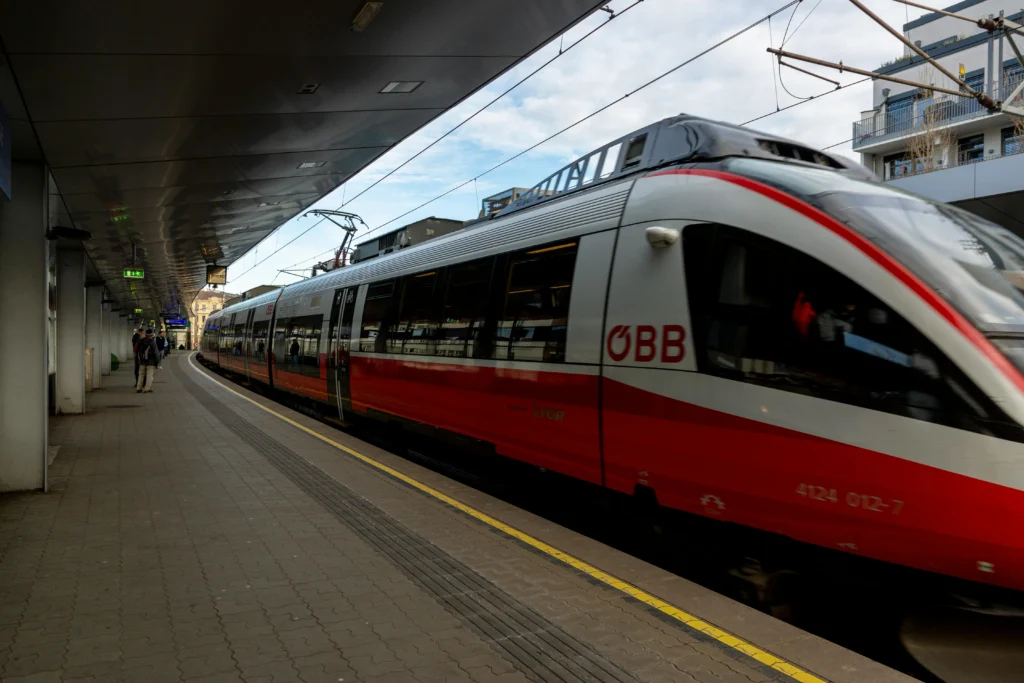
Westbahn’s advocacy for broader continental integration comes amid its own major domestic and international footprint expansion. Since its initial launch in 2011, when services operated exclusively along the high-traffic corridor between Vienna and Salzburg, the private railway has steadily grown its route map. Today, its distinct trainsets regularly connect travelers to major destinations including Innsbruck, Bregenz, Lindau am Bodensee, and St. Johann im Pongau, alongside international extensions into Munich and Stuttgart.
Furthering this momentum, Westbahn officially inaugurated its highly anticipated high-speed southern route expansion connecting Vienna, Graz, Klagenfurt, and Villach. This expansion provides a vital new transit pipeline through the scenic southern regions of Austria, utilizing state-of-the-art trainsets built to travel at top speeds of 250 kilometers per hour. By advocating for seamless European rail platforms, operators like Westbahn are ensuring that these new, high-speed regional networks are easily accessible to international tourists arriving from every corner of the continent.
For more travel news like this, keep reading Global Travel Wire