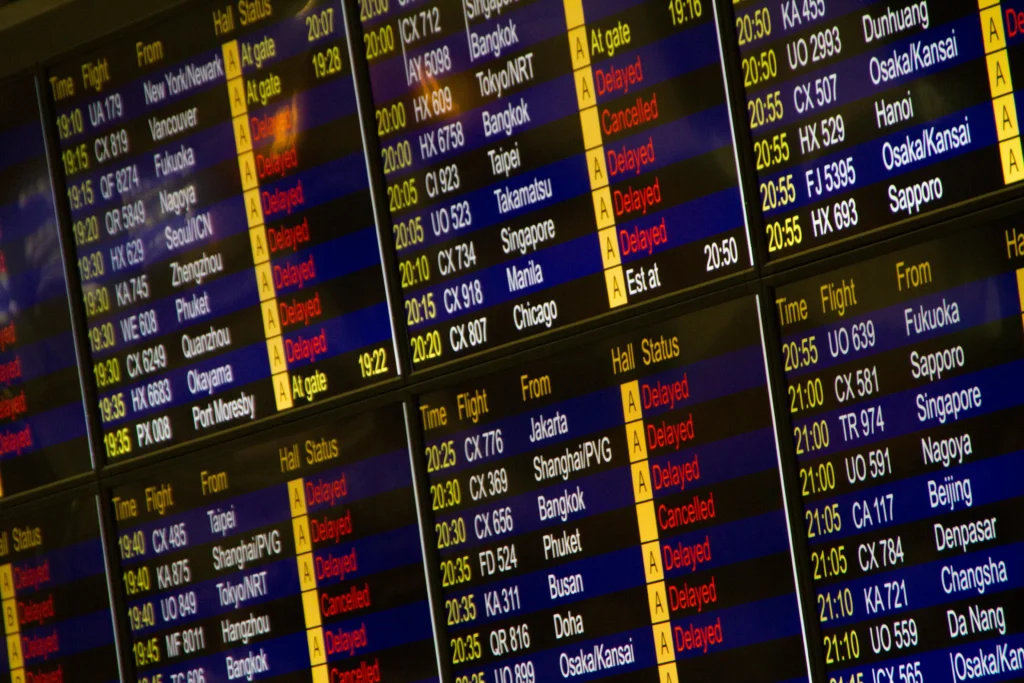
The modern aviation landscape is a complex web of schedules and logistics, but even the most meticulously planned journeys can be upended by unforeseen circumstances. Whether the cause is a sudden shift in weather patterns, a technical malfunction, or an operational bottleneck, flight cancellations are an inherent risk of air travel. However, many travelers remain unaware of the significant legal protections and administrative recourses available to them. According to official data and regulatory frameworks established by government aviation authorities, passengers possess specific, non-negotiable rights when their travel plans are interrupted by the carrier.
In the United States, the Department of Transportation (DOT) maintains strict regulations regarding how airlines must handle canceled services. One of the most critical, yet frequently misunderstood, mandates is the right to a full cash refund. Official DOT policy dictates that if an airline cancels a flight—regardless of the reason—and the passenger chooses not to accept the alternative transportation offered, they are entitled to a full refund of the ticket price. This includes the base fare and any government-imposed taxes or carrier-imposed fees.
Government guidelines are clear: travelers are not required to accept airline credits or vouchers in lieu of a refund. While carriers often offer these credits as a primary solution, the passenger has the legal standing to insist on a monetary reimbursement to their original form of payment. This regulation ensures that travelers maintain financial flexibility during periods of widespread travel disruption.
Proactive Monitoring and Digital Tools for Efficient Travel
Efficiency is the most valuable asset when a flight is grounded. Official tourism boards and aviation experts suggest that the most successful travelers are those who monitor their flight status long before arriving at the terminal. Most major airlines now provide real-time updates through mobile applications and SMS alerts. Utilizing these tools allows passengers to receive notifications about delays or cancellations while still at home or in their hotel, preventing unnecessary transit to a congested airport.
Beyond individual airline apps, the National Airspace System status, managed by the DOT, provides a macro-level view of air traffic. By checking these official reports, travelers can identify ground stops or regional air traffic control delays that may eventually trickle down to their specific flight. Identifying these trends early allows for faster decision-making, such as opting into travel waivers that airlines often issue ahead of severe weather events.
Strategic Actions for Travelers at the Terminal
For those already at the airport when a cancellation is announced, the situation requires a multi-channel approach. The immediate reflex for many is to join the queue at the airline’s service desk. While this is a valid step, it should be done in tandem with digital outreach. Official airline service centers can often be reached faster via phone or through the carrier’s social media platforms. Interestingly, some seasoned travelers find that calling an airline’s international service line can result in significantly shorter wait times than the domestic US lines during peak disruption periods.
Self-service kiosks located throughout the terminal are another underutilized resource. These machines are often programmed to handle basic rebooking tasks and can sometimes issue new boarding passes for alternative flights without the need for direct human intervention. The goal is to secure a seat on the next available flight as quickly as possible, as competition for remaining inventory increases exponentially during major disruptions.
The Value of Research and Interline Agreements
Before approaching an agent, it is highly beneficial for passengers to have conducted their own research on alternative routes. Airline staff are often managing hundreds of frustrated travelers simultaneously; presenting a specific, researched alternative can expedite the rebooking process.
Furthermore, many major airlines maintain “interline agreements.” These are official partnerships that allow one carrier to book its passengers onto a competitor’s flight during significant service interruptions. While not every airline is required to do this, it is a common practice among full-service carriers to help passengers reach their destination when their own fleet is grounded. Inquiring politely about interline options can often open up seating that does not appear on the original airline’s booking site.
Leveraging Frequent Flyer Miles and Credit Card Protections
In high-demand scenarios where cash seats appear sold out, frequent flyer miles can serve as an effective alternative. Many airlines maintain a separate inventory for mileage-based bookings. Additionally, current industry standards for most US carriers allow for the cancellation of flights booked with miles without penalty right up until the time of departure, providing an extra layer of security for travelers who need to book a backup option.
Financial protection also extends to the method of payment. Many premium credit cards offer built-in travel insurance as a standard benefit. If a flight is canceled for a reason covered by the policy—such as severe weather or equipment failure—the card issuer may reimburse the passenger for out-of-pocket expenses like meals and hotel stays. Travelers are advised to keep all receipts and obtain written documentation from the airline regarding the cause of the delay to facilitate these claims.
International Variations in Passenger Care
It is important to note that passenger rights vary significantly by jurisdiction. In the United Kingdom and the European Union, regulations such as UK261 and EU 261/2004 provide more extensive protections regarding “duty of care.” In these regions, airlines are often legally required to provide food vouchers and overnight accommodations if a delay exceeds a certain timeframe, regardless of whether the cause was within the airline’s control.
In the United States, while there is no federal law requiring hotel vouchers for weather-related delays, many airlines have committed to providing these services for “controllable” disruptions, such as maintenance issues or staffing shortages. Reviewing the specific “Customer Service Plan” on an airline’s official website will provide the most accurate information on what an individual carrier is committed to providing. By staying informed and acting with a combination of urgency and professional courtesy, travelers can navigate even the most challenging flight cancellations with confidence.
For more travel news like this, keep reading Global Travel Wire