A growing security crisis across the Middle East is forcing Saudi Arabia, the United Arab Emirates, Qatar, Egypt, Lebanon, Kuwait, Oman, and neighboring nations to activate emergency measures amid fears that potential military strikes involving Israel, the United States, and Iran could trigger widespread disruption to tourism, aviation, hospitality, and regional commerce.
Governments across the Gulf and Eastern Mediterranean are intensifying airspace monitoring, reviewing embassy security, strengthening critical infrastructure protection, and coordinating regional defense readiness as geopolitical tensions reach one of their most dangerous levels in years. The escalating uncertainty is already sending shockwaves through the international travel industry, with airlines, cruise operators, tourism authorities, and investors closely watching developments.
The possibility of conflict near key aviation corridors and maritime routes has heightened concerns about cancellations, rerouted flights, declining visitor confidence, and disruptions to some of the world’s busiest tourism and transit hubs.
Saudi Arabia Faces Mounting Pressure on Tourism and Aviation
Saudi Arabia is emerging as one of the countries most exposed to the risks of escalation. The kingdom has spent years investing heavily in tourism diversification through major projects, international events, luxury resorts, and expanded aviation connectivity. However, renewed regional instability threatens to undermine those ambitions.
Authorities are reportedly reassessing security preparedness around airports, energy infrastructure, and strategic transport facilities. Industry observers fear that any prolonged instability could affect inbound tourism demand, pilgrimage travel, hotel occupancy, and investor confidence linked to Saudi Arabia’s expanding tourism economy.
Airspace restrictions or heightened security warnings could also impact major international flight corridors connecting Europe, Asia, and Africa through Saudi airspace.
UAE Tourism and Business Travel Sector on High Alert
The United Arab Emirates, particularly Dubai and Abu Dhabi, faces growing concern over the potential economic fallout from regional tensions. As one of the world’s leading global tourism and aviation hubs, the UAE depends heavily on uninterrupted international air connectivity and strong traveler confidence.
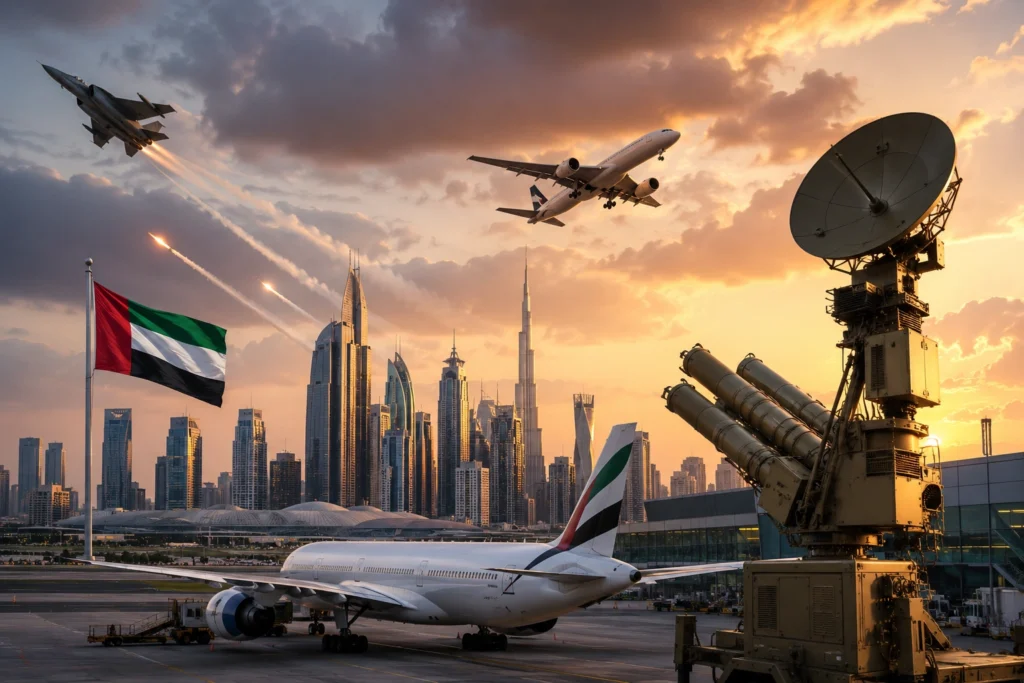
Any escalation involving missile threats, drone attacks, or regional airspace disruptions could affect airlines, luxury hospitality, convention travel, and cruise tourism. Travel companies are closely monitoring booking patterns as uncertainty rises across the Gulf.
The UAE’s international tourism appeal has made stability a central pillar of its economic model. Tourism executives warn that even temporary flight diversions or travel advisories can rapidly affect hotel reservations, business events, and long-haul travel demand.
Qatar and Oman Confront Risks to Maritime and Aviation Networks
Qatar and Oman are also navigating growing concerns tied to their strategic proximity to the Strait of Hormuz, one of the world’s most critical energy and shipping corridors. Any military escalation near the strait could affect cruise operations, cargo movement, airline routes, and regional travel confidence.
Qatar’s position as a major global aviation and transit hub places additional pressure on authorities to maintain operational continuity. Airlines connecting Asia, Europe, Africa, and North America through Doha may face rerouting challenges if regional airspace conditions deteriorate.
Meanwhile, Oman’s tourism and maritime sectors could face indirect impacts from shipping instability and rising insurance costs tied to Gulf navigation risks. Tourism operators in Muscat and coastal destinations are monitoring developments carefully as travelers increasingly assess regional security conditions before booking trips.
Egypt and Lebanon Fear Tourism and Economic Fallout
Egypt’s tourism industry, which remains one of the country’s most important economic pillars, could experience renewed pressure if regional tensions spread further across the Middle East. Authorities are particularly focused on protecting Red Sea tourism zones, airport operations, and Suez Canal shipping activity.
Travel industry analysts note that global travelers often perceive regional instability broadly, meaning unrest elsewhere in the Middle East can still affect destinations considered geographically distant from direct conflict zones.
Lebanon, already facing severe economic challenges, confronts an even more fragile situation. Concerns surrounding Hezbollah’s possible involvement in any wider regional confrontation have intensified fears about infrastructure damage, reduced international travel, and further collapse of the country’s struggling hospitality sector.
Airlines and Global Tourism Industry Brace for Wider Disruption
The broader travel industry is increasingly preparing for the possibility of prolonged operational disruptions across the Middle East. Airlines may be forced to reroute aircraft to avoid conflict zones, potentially increasing travel times, operational costs, and fuel consumption.
Major international carriers are closely evaluating contingency plans as insurance costs for aviation and maritime operations continue to rise. Tourism boards and hospitality operators across the region are also intensifying crisis management planning to reassure travelers and maintain visitor confidence.
Industry experts warn that extended instability could reshape travel flows across Europe, Asia, and the Gulf, particularly during peak holiday and business travel periods. Cruise itineraries, pilgrimage tourism, luxury travel, and international events may all face heightened uncertainty if tensions continue escalating.
Middle East Stability Now Central to Global Travel Confidence
As Saudi Arabia, the UAE, Qatar, Egypt, Lebanon, Kuwait, Oman, and neighboring nations strengthen emergency preparedness measures, the Middle East’s tourism future increasingly hinges on diplomatic de-escalation and regional stability.
The threat of military confrontation involving Israel, the United States, and Iran has rapidly evolved beyond a geopolitical issue into a major concern for global tourism, aviation, hospitality, and international commerce. Governments across the region are now racing to protect not only national security, but also traveler confidence, tourism investment, and economic resilience amid one of the most volatile moments the Middle East has faced in recent years.
For more travel news like this, keep reading Global Travel Wire