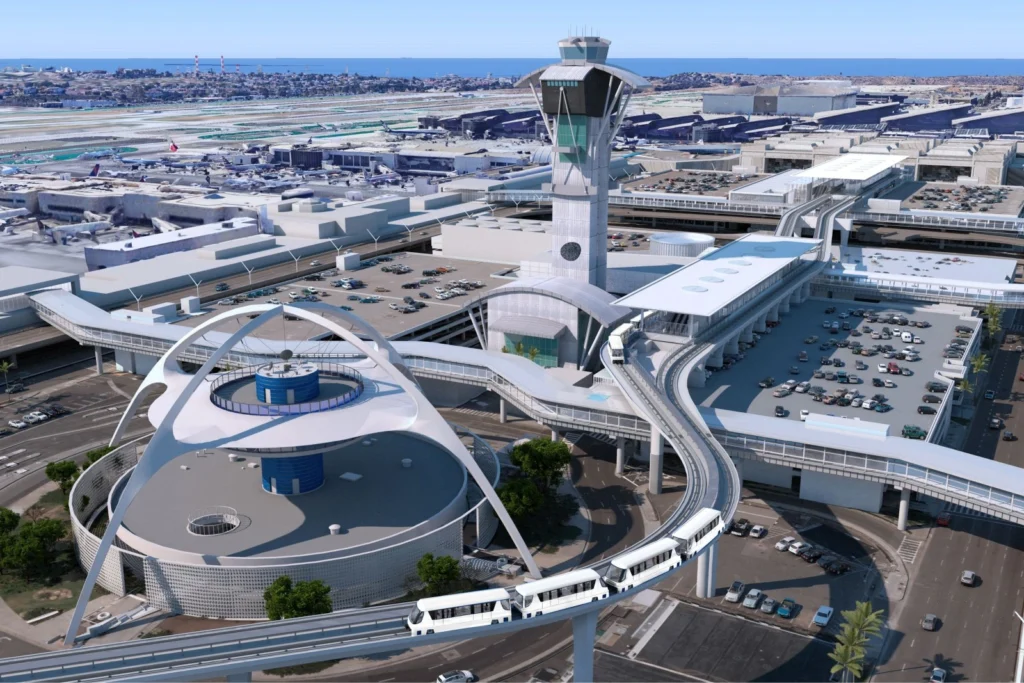
Los Angeles International Airport is facing mounting pressure this summer as TSA security wait times surge past 45 minutes during peak travel periods, creating operational headaches for United Airlines, Delta Air Lines, American Airlines, and Southwest Airlines while frustrating millions of travelers from Mexico, Canada, the United Kingdom, Brazil, China, and other major international markets.
The growing congestion at one of America’s busiest aviation gateways is rapidly becoming one of the biggest travel challenges of the 2026 summer season. Long security lines, missed flights, delayed boarding, and strained airport operations are affecting both domestic and international passengers as airlines scramble to manage schedules amid unprecedented passenger demand.
The disruption comes during a critical period for the U.S. tourism industry as international visitor recovery remains uneven despite strong summer demand across key global markets.
Why LAX Security Wait Times Are Getting Worse
The delays at LAX are being driven by a combination of surging summer passenger volumes, concentrated morning departure schedules, and staffing constraints across TSA screening checkpoints.
International tourism demand into the United States remains heavily dependent on travelers from Mexico and Canada, which continue to rank among the country’s largest inbound visitor markets. The United Kingdom, Brazil, and China also remain major contributors to transpacific and transatlantic travel flows into Los Angeles and other major U.S. hubs.
As passenger traffic intensifies during narrow departure windows, checkpoint congestion has increased sharply. Airlines operating large schedules during morning and midday periods are experiencing the greatest operational strain, particularly on international routes requiring additional processing and baggage screening.
United, Delta, American and Southwest Face Operational Pressure
Major U.S. carriers are now adjusting operational strategies to cope with the growing bottlenecks at LAX and across other congested airports nationwide.
United Airlines and Delta Air Lines have experienced mounting schedule pressure tied to delayed passenger movement through security checkpoints, while American Airlines and Southwest Airlines continue managing disruptions linked to overcrowded terminals and slower boarding flows.
The issue extends beyond Los Angeles. Nationwide operational reports continue to show thousands of flight delays and cancellations impacting major hubs including Newark, Atlanta, Orlando, Chicago, and Dallas during the peak summer season.
For airlines, longer security processing times create a cascading effect that impacts gate coordination, aircraft turnaround times, baggage handling, and connecting passenger schedules. Missed connections and delayed departures are increasingly becoming part of the passenger experience during peak travel periods.
International Tourism Recovery Faces New Challenges
The congestion at LAX is also highlighting broader concerns surrounding the recovery of international tourism into the United States.
Although inbound travel demand remains active, recent tourism trends indicate that international arrivals into the U.S. remain inconsistent across several global regions. Mexico and Canada continue driving the strongest visitor numbers, while long-haul travel from Europe, South America, and Asia continues recovering at varying speeds.
Industry analysts warn that prolonged airport delays and negative traveler experiences could weaken international visitor confidence, particularly for tourists planning family vacations, business travel, or multi-city itineraries during the busy summer season.
Hotels, tourism operators, airport retailers, and local businesses across Southern California are also monitoring the situation closely, as airport efficiency remains directly tied to tourism spending and visitor satisfaction.
Passenger Frustration Builds Across Major Travel Markets
Travelers arriving from Mexico, Canada, the United Kingdom, Brazil, and China are among those feeling the greatest impact at LAX due to the airport’s role as a major international gateway connecting North America, Latin America, Europe, and Asia.
Passengers report increasingly tight boarding windows, long lines at terminal checkpoints, and elevated stress levels as wait times fluctuate throughout the day. Travelers without expedited screening services are facing the longest delays, particularly during early morning departure waves.
The unpredictability of wait times has also complicated travel planning for families, international visitors, and connecting passengers unfamiliar with airport congestion patterns in the United States.
Meanwhile, hospitality operators are recalibrating expectations amid signs that inbound tourism demand remains more fragile than originally forecast for 2026.
Airlines and Travel Industry Expand Response Measures
Airlines are now urging passengers to arrive significantly earlier before departures while increasing the use of mobile alerts, digital notifications, and operational updates to reduce confusion during delays.
Many carriers are also encouraging travelers to enroll in TSA PreCheck and Global Entry programs to accelerate security processing. Airport officials and airlines continue coordinating efforts to improve passenger flow efficiency during peak travel windows.
The broader U.S. travel industry remains cautiously optimistic about summer tourism spending, though aviation leaders acknowledge that airport congestion and operational disruptions continue posing serious challenges to long-term recovery and traveler confidence.
What Travelers Should Know Before Flying Through LAX
With congestion expected to continue throughout the summer, travel experts are advising passengers to take additional precautions before heading to the airport.
Travelers are being encouraged to check flight status frequently, arrive several hours before departure, prepare electronics and liquids in advance for screening, and consider flexible ticket options that can reduce the financial impact of delays or missed flights.
As LAX continues navigating one of the busiest travel periods in recent years, the airport’s TSA delays are emerging as a defining issue for the 2026 summer travel season — one that is reshaping passenger expectations, airline operations, and the broader tourism experience across the United States.
For more travel news like this, keep reading Global Travel Wire