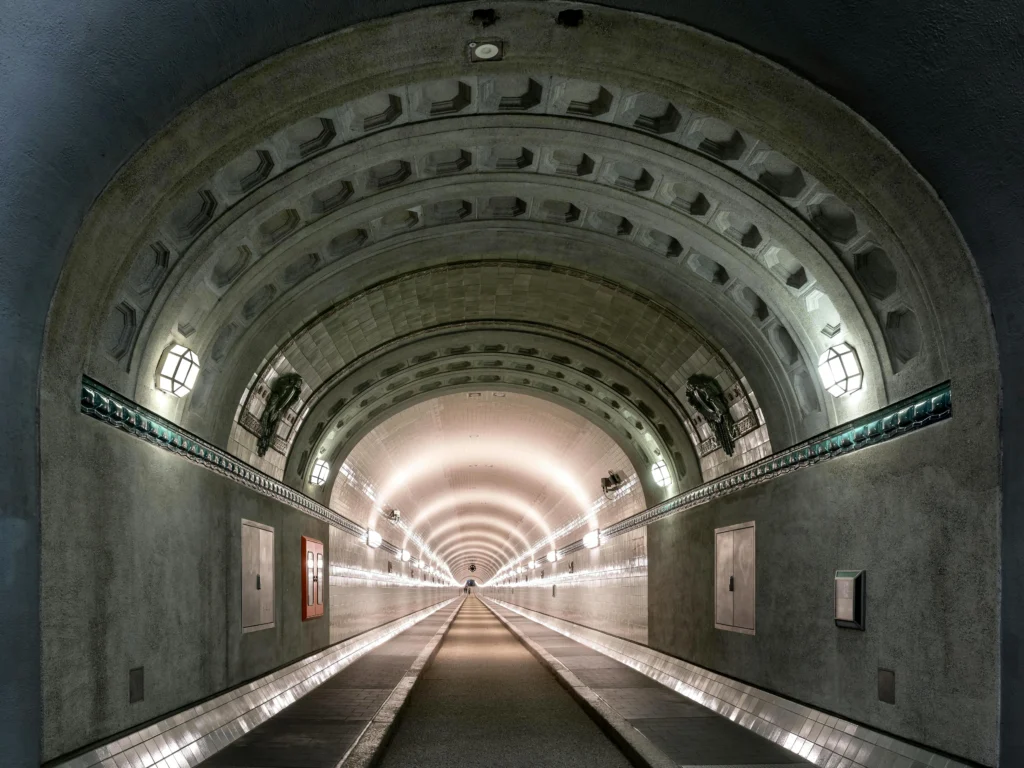
Traveling through the breathtaking and historically rich regions of southern Italy is about to become faster, smoother, and more sustainable. In a monumental milestone for the European travel network, engineering teams have officially completed the excavation of the massive Rocchetta Tunnel. This breakthrough marks an essential step forward for the highly anticipated Naples-Bari High-Speed Rail line, a transformation that promises to fundamentally reshape tourism, cultural exchange, and regional accessibility across the Italian peninsula.
By seamlessly bridging the gap between the Tyrrhenian and Adriatic seas, this infrastructure achievement will unlock previously isolated inland gems for international holidaymakers. Tourism boards and transport ministries view the development as a crucial engine for economic growth, making it simpler than ever for visitors to curate multi-destination itineraries spanning from the historic streets of Naples to the sun-drenched coastlines of Puglia.
Inside the Complex Engineering of the Rocchetta Tunnel
The Rocchetta Tunnel serves as the crown jewel of the complex Apice-Hirpinia track section. Spanning an impressive 6.5 kilometers, it now stands as the longest tunnel constructed along this specific stretch of the future high-capacity railway. Carved directly through the formidable mountain massifs of the Southern Apennines, it represents the second major tunnel breakthrough for this phase of the project, closely following the successful completion of the neighboring Grottaminarda tunnel.
Overcoming the region’s notoriously intricate geological and geomorphological terrain required the deployment of pioneering mechanical technology. Engineers utilized the state-of-the-art Tunnel Boring Machine (TBM) affectionately named “Futura” to spearhead the drilling operations. This massive industrial marvel features 18 high-performance motors generating a collective power of 6.3 megawatts, alongside a specialized cutting head stretching more than 12 meters in diameter.
Operating continuously day and night for approximately one and a half years under the vigilant supervision of over 140 specialized technicians, the TBM advanced through the rugged rock at a remarkable average speed of 16 meters per day. During peak operational phases, the machine shattered expectations by tunneling more than 29 meters in a single day. Simultaneously, crews meticulously installed over 32,500 prefabricated concrete segments to establish a highly durable, permanent support structure inside the mountain, ensuring maximum safety for the millions of train passengers who will eventually travel through it.
Unlocking Inland Hidden Gems in Avellino and Benevento
The Apice-Hirpinia section stretches across 18.7 kilometers of breathtaking Italian countryside, specifically traversing the captivating provinces of Avellino and Benevento. Because nearly 13 kilometers of this route must run underground due to the complex mountainous geography, the venture stands out as one of the most sophisticated and challenging railway engineering achievements in modern Italian history. The workforce driving this project is massive, mobilizing approximately 700 dedicated employees and subcontractors alongside a network of more than 650 specialized local suppliers and partner companies.
For future travelers, this specific section holds incredible tourism potential. The project explicitly includes extensive surrounding infrastructure developments designed to provide seamless access to the brand-new Hirpinia Station. This upcoming facility is destined to become a vital travel hub, linking once-remote inland villages to the broader Italian high-speed rail network. Extensive road upgrades, spacious new roundabouts, and dedicated park-and-ride facilities are already being built to ensure that tourists can easily transition from rail journeys to regional rental cars, boutique tour buses, or local eco-tourism excursions.
Looking ahead, construction teams are preparing to shift their heavy machinery to begin excavating the Melito Tunnel. Spanning roughly 4.4 kilometers, this will represent the final underground passage required to complete the intricate Apice-Hirpinia connection.
Connecting Historic Metropolises and Coastal Paradigms
Simultaneously, extensive modernization works are progressing rapidly across adjacent sections of the expanding mainline. The state rail infrastructure manager recently highlighted a massive development phase for the critical Naples-Cancello link, an initiative reinforced by an official funding allocation of approximately 1.1 billion EUR.
This new 15-kilometer double-track section is strategically designed to streamline the flow of traffic between high-speed long-distance trains and regional transit networks within the bustling Naples metropolitan area. Most notably, the track configuration will offer direct, immediate connectivity to the architectural marvel of the Napoli-Afragola station.
Napoli-Afragola functions as a foundational transport pillar for southern Italy, serving as the ultimate crossroads for passenger traffic moving dynamically between Rome, Salerno, and the coastal towns of Puglia. Once the Naples-Cancello section is fully commissioned and integrated, the total length of modernized high-speed tracks already operational along the primary Naples-Bari axis will reach a substantial 55 kilometers.
A Gateway to Sustainable Pan-European Exploration
The grand vision for the Naples-Bari High-Speed Rail line extends far beyond local commuting; it is a vital component of the Scandinavian-Mediterranean Corridor, a major artery within Europe’s Trans-European Transport Network (TEN-T). By upgrading approximately 145 kilometers of track, constructing 15 advanced tunnels, building 25 majestic viaducts, and opening 20 modern stations and stops, Italy is creating a green travel corridor designed to meet the demands of future global explorers.
Once the entire network is fully operational, passenger trains will comfortably reach speeds of up to 250 km/h. This technological upgrade will slash total travel times between the cultural hub of Naples and the beautiful port city of Bari down to a mere two hours. Furthermore, holidaymakers looking to journey from the historic monuments of Rome to the pristine beaches of Bari will enjoy a swift, direct ride of just three hours. By significantly reducing reliance on short-haul flights and traffic-choked highways, Italy’s high-speed rail expansion is establishing a golden standard for sustainable, eco-conscious European vacationing.
For more travel news like this, keep reading Global Travel Wire