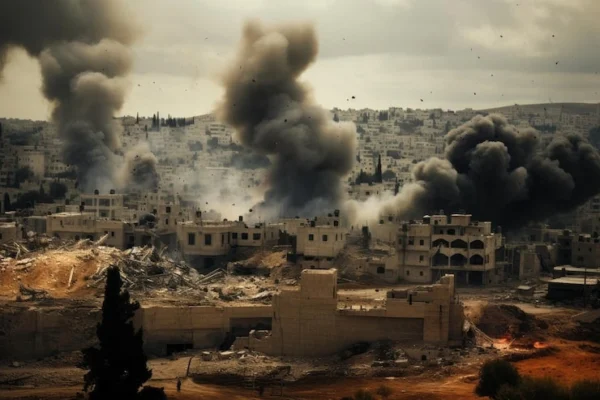
Qatar, the United Arab Emirates, Saudi Arabia, Kuwait, Jordan, Oman, Bahrain, Iraq, and Syria are intensifying aviation security and emergency airspace measures as escalating geopolitical tensions across the Middle East continue disrupting global travel networks in 2026. The rapidly evolving security situation is placing increasing pressure on airlines, airports, tourism operators, and international transportation systems throughout one of the world’s busiest aviation corridors.
Governments across the Gulf region are now prioritizing airport protection, airspace monitoring, emergency preparedness, and infrastructure continuity amid growing concerns surrounding potential military escalation involving the United States, Israel, and Iran. Aviation analysts describe the current environment as one of the most operationally sensitive periods for Middle Eastern aviation since the early 2000s.
The heightened alert status is already affecting commercial flight operations connecting Europe, Asia, Africa, and Oceania through major transit hubs including Doha, Dubai, Abu Dhabi, and Kuwait City.
Airlines reroute flights as Gulf airspace faces mounting pressure
Commercial aviation networks across the Persian Gulf and Eastern Mediterranean are experiencing growing operational disruption due to evolving airspace restrictions, security monitoring requirements, and rerouting protocols.
Major international carriers including Air India, Air Canada, Delta Air Lines, and United Airlines have already adjusted schedules, suspended selected services, or modified routing structures involving sensitive Gulf flight corridors.
Airspace sectors near Dubai, Doha, Abu Dhabi, Tel Aviv, and Kuwait City remain under increased operational observation as airlines seek safer alternative routes while maintaining schedule reliability.
The partial closure of Syrian airspace has further complicated long-haul flight planning between Europe and Asia by reducing available transit corridors across the Eastern Mediterranean region.
Longer rerouting patterns are also increasing airline fuel costs, extending flight times, and placing additional strain on scheduling systems during the busy summer 2026 travel season.
Gulf airports introduce stricter security procedures for travelers
Airports across the Gulf Cooperation Council region are operating under heightened security conditions as authorities attempt to manage passenger flow and maintain operational stability.
Travelers flying through Gulf hubs are being advised to arrive only with confirmed flight reservations due to tighter terminal access rules and expanded security screening procedures.
Airline customer service teams across the region are also handling increased volumes of passenger inquiries involving rebookings, flight changes, and travel waivers as uncertainty continues affecting international travel plans.
Despite the operational strain, aviation authorities continue emphasizing that airports throughout the Gulf remain open and fully operational, although travelers should expect additional processing time and evolving schedule conditions.
Tourism demand weakens as travelers reconsider Gulf itineraries
The intensifying geopolitical climate is beginning to affect tourism demand patterns across the Middle East.
Hotels, airlines, travel agencies, and tour operators throughout the Gulf are reportedly seeing softer international booking trends ahead of the critical summer holiday season as travelers reassess plans involving the region.
Many international tourists are redirecting vacations toward Southern European destinations including Spain, Italy, Portugal, and Greece amid concerns over possible flight disruptions and regional instability.
Industry analysts note that traveler perception alone can significantly influence tourism demand even when airport operations and hospitality infrastructure remain functional.
The Gulf tourism industry has become increasingly important to regional economic diversification strategies over recent years, with destinations such as Dubai, Doha, Abu Dhabi, and Riyadh investing heavily in luxury hospitality, international events, aviation expansion, and global tourism branding.
Governments accelerate contingency planning and infrastructure investment
The current aviation uncertainty is also accelerating broader economic and transportation contingency planning throughout the Gulf region.
Saudi Arabia, Qatar, and the UAE are reportedly increasing investment in alternative logistics corridors, overland transportation systems, and supply chain diversification projects aimed at reducing dependence on vulnerable airspace and maritime chokepoints.
The strategy reflects growing concerns that prolonged geopolitical instability could affect tourism revenue, energy exports, international trade, and wider economic growth throughout the region.
At the same time, embassies and diplomatic missions across parts of the Gulf have increased emergency preparedness measures following intelligence assessments involving possible retaliatory security risks.
Several governments are encouraging foreign nationals and travelers to remain alert, avoid unnecessary gatherings, and monitor official advisories closely.
Airlines expand flexible booking policies amid ongoing uncertainty
Major Gulf carriers including Emirates and Etihad Airways have introduced expanded travel waiver policies and more flexible rebooking options to assist passengers affected by changing operational conditions.
Travel insurance providers are also seeing rising demand for coverage involving geopolitical disruptions, flight cancellations, emergency evacuation support, and rerouting expenses.
Industry experts continue advising travelers to monitor airline notifications, airport advisories, and government updates regularly before traveling through the Middle East.
The Gulf remains one of the world’s most strategically important aviation regions, serving as a global crossroads linking continents through highly interconnected airline hubs.
As geopolitical tensions continue evolving, the future stability of Gulf tourism and aviation markets will likely depend heavily on diplomatic developments, regional de-escalation efforts, and the ability of airlines and governments to maintain operational confidence during a period of elevated uncertainty.
For more travel news like this, keep reading Global Travel Wire