The modern travel landscape is shifting rapidly toward simplicity, convenience, and value. For millions of residents across the United States, planning a traditional multi-city vacation often involves juggling individual hotel bookings, coordination of multiple flight schedules, and a never-ending list of restaurant reservations. To eliminate this logistical friction, travelers are increasingly turning to the open ocean.
According to the latest official public market data from the Cruise Lines International Association, ocean cruising has reached unprecedented global heights, serving a record-breaking 37.2 million passengers worldwide annually. Overwhelmingly, North America remains the world’s most dominant source market, contributing more than 22 million cruise guests, with the United States alone supplying over 20.5 million travelers. At the forefront of this massive travel renaissance are family cruise vacations booked through major premier operators like Royal Caribbean International. By combining transport, lodging, dining, and theater-style entertainment into a single packaged itinerary, these voyages have rewritten the rules of modern leisure travel.
The Evolution of Floating Resorts on the High Seas
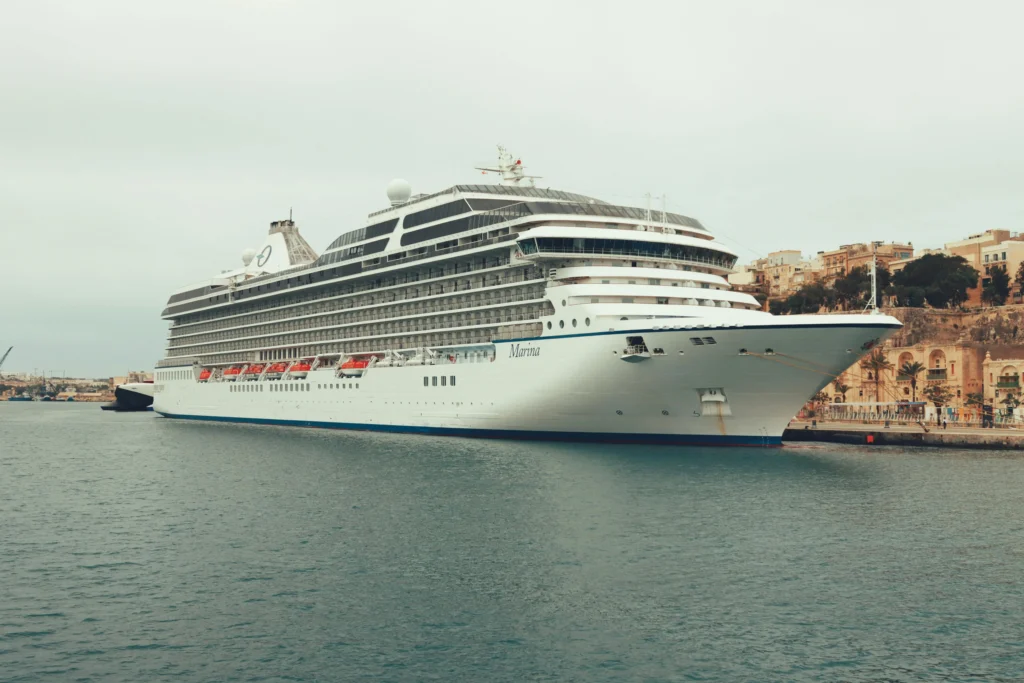
A modern ocean cruise vacation package operates fundamentally as a mobile, self-contained destination resort. Rather than dealing with the stress of packing and unpacking bags across different geographical stops, passengers board a mega-ship that serves as their luxury base camp for the entirety of their journey. Itineraries are meticulously structured to fit diverse travel windows, ranging from short three-night tropical getaways to expansive multi-week global expeditions.
Once on board, guests choose from an array of tailored accommodations designed to fit various group sizes and budget levels. Options scale from affordable interior staterooms to expansive ocean-view balcony cabins and premium, multi-room luxury suites. Standard cruise fares conveniently bundle together lodging, access to main dining rooms and sprawling casual buffets, and entry to world-class entertainment venues. While specialized add-ons like premium alcoholic beverages, specialty shore excursions, and exclusive boutique restaurants carry supplemental charges, the foundational all-inclusive nature of the trip provides predictable pricing that allows vacationers to manage their travel expenses effortlessly.
Seamless US Domestic Gateways to Dream Destinations
A major factor driving the immense popularity of family cruise vacations among American residents is the sheer accessibility of major domestic homeports. Travelers do not need to fly across continents just to board their ships. Instead, critical coastal hubs across the country serve as accessible geographical gateways to the world’s most pristine travel regions.
Passengers living in or traveling to the East Coast can easily embark from world-class Florida terminals such as Miami and Port Canaveral, which offer immediate, direct access to the sun-drenched waters of the Caribbean and the Bahamas. For travelers based in the South, ports like Galveston, Texas, provide a streamlined pathway to Central American adventures. Meanwhile, West Coast residents can utilize beautiful seasonal gateways like Seattle, Washington, to step aboard breathtaking northern itineraries exploring the glaciers and historic coastal towns of Alaska. This diverse port network ensures that regardless of where an American family is based, a premium cruise experience is never far from home.
Tailor-Made Experiences for Multigenerational Groups
The broader leisure travel market is witnessing a massive surge in multigenerational trips, where grandparents, parents, and children choose to vacation together. Managing the diverse interests, energy levels, and dietary preferences of multiple age groups on land can easily become overwhelming. This is exactly where the large, modern cruise ship excels as an entertainment and relaxation hub.
The architectural layout of these vessels is deliberately zoned to offer distinct micro-experiences. For children and teenagers, ships feature complimentary supervised youth academies, interactive water parks, and high-energy activity zones. Simultaneously, adults can find peaceful sanctuary in secluded, age-restricted pools, world-class thermal spas, and sophisticated evening lounges. When dinner arrives, families can gather in grand, multi-tiered dining rooms to share stories of their day, choosing from extensive menus that cater to everyone from adventurous foodies to the pickiest toddlers. This unique balance of independent exploration and shared family moments makes cruising an unmatched choice for group bonding.
Safety and Operational Standards in Global Commerce
As a vital and highly visible segment of the global tourism sector, the cruise industry operates under some of the most rigorous health, environmental, and safety frameworks in modern hospitality. Public health agencies, including the US Centers for Disease Control and Prevention, maintain extensive regulatory and communication guidelines for all commercial passenger vessels operating out of domestic ports.
These comprehensive public frameworks continuously guide onboard safety protocols, water purification systems, and medical care readiness. Furthermore, the modern fleet is undergoing an aggressive technological shift toward environmental sustainability. Official data from the international cruise community highlights massive investments in advanced freshwater production systems, shore-power connectivity to reduce portside emissions, and next-generation fuel flexibilities. For the modern conscious explorer, booking a cruise vacation offers the peace of mind that comes with traveling aboard highly regulated, technologically advanced, and safe infrastructure. With demand hitting historic record levels and ships booking out months in advance, the future of exploring the world by sea is brighter, smoother, and more appealing than ever before.
For more travel news like this, keep reading Global Travel Wire