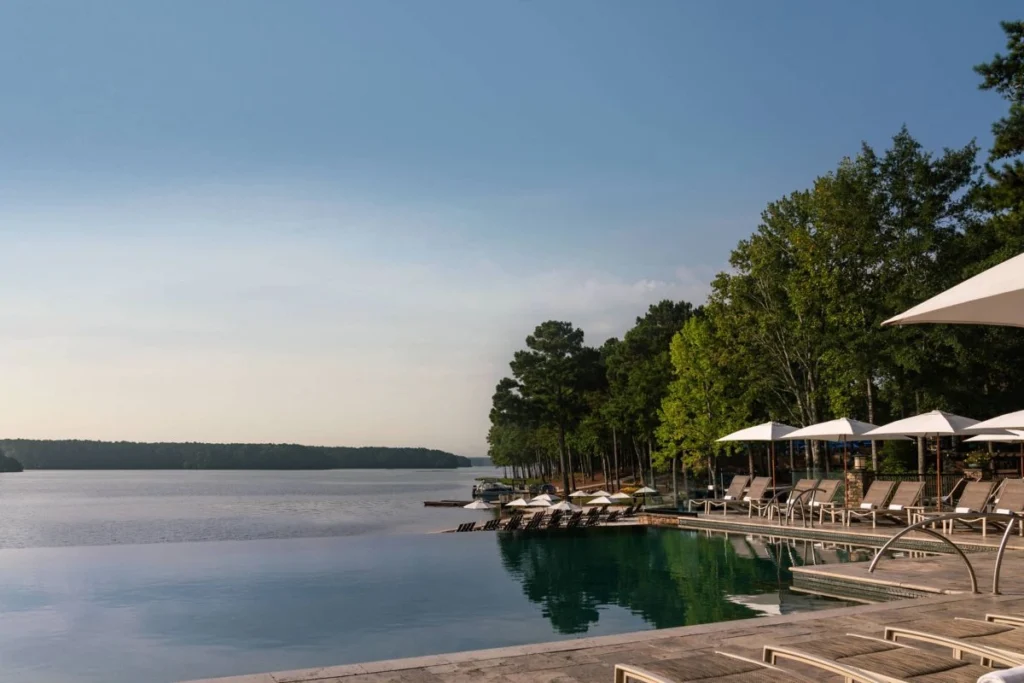
A growing wave of wellness-focused travelers is transforming Georgia’s Lake Oconee into one of the United States’ emerging luxury wellness tourism destinations, as unique floating spa experiences attract visitors seeking immersive and experience-driven escapes near Atlanta.
Located roughly three hours from Atlanta, Lake Oconee has become increasingly popular among travelers looking for a combination of outdoor recreation, private luxury, and personalized wellness experiences. The latest attraction reshaping the destination’s tourism appeal is a floating spa concept that blends lakeside relaxation, wellness amenities, and social hospitality into a single premium experience.
The floating spa trend reflects broader changes occurring across the American travel industry, where hospitality operators are increasingly prioritizing experiential tourism over traditional accommodation-focused offerings. Luxury travelers are now seeking emotionally engaging stays that combine nature, relaxation, exclusivity, and memorable activities rather than simply upscale rooms and resort facilities.
Wellness Tourism Reshapes Georgia’s Lakeside Hospitality Market
Lakefront tourism operators across Georgia are rapidly adapting to evolving traveler preferences by integrating wellness-centered experiences into their hospitality strategies. Industry analysts note that wellness tourism has become one of the fastest-growing sectors within the global travel economy, influencing everything from hotel development to destination marketing campaigns.
At Lake Oconee, the floating spa concept has emerged as a key differentiator within the competitive short-term rental and resort market. Designed for couples and small private groups, the experience combines elements of a wellness retreat and a private social lounge situated directly on the water. Unlike traditional hot tubs or boat rentals, the floating spa creates a fully immersive relaxation environment that aligns with current demand for outdoor wellness experiences and personalized luxury travel.
Hospitality operators in the region report that the amenity has significantly improved guest engagement, occupancy levels, and premium booking demand. Initially positioned as an optional luxury upgrade, the floating spa became so popular that management eventually integrated the experience directly into room rates after observing sustained traveler demand.
The shift illustrates how experiential offerings are increasingly driving revenue strategies across luxury hospitality markets, particularly in scenic waterfront destinations where travelers seek more meaningful and memorable stays.
Experiential Travel Becomes the New Luxury Standard
The popularity of floating wellness experiences highlights a larger transformation occurring throughout the U.S. tourism industry. Travelers are placing greater emphasis on emotional connection, relaxation, personalization, and authentic experiences rather than conventional definitions of luxury.
According to hospitality researchers and tourism development specialists, experiential travel amenities now strongly influence online reviews, guest satisfaction scores, repeat visitation, and social media visibility. Unique offerings such as floating spas, eco-wellness retreats, and private nature-based experiences help properties distinguish themselves in increasingly saturated tourism markets.
At Lake Oconee, guest feedback and booking inquiries consistently reference the floating spa experience as a central attraction, particularly among couples and smaller travel groups seeking privacy and exclusivity on the water.
The trend also aligns with rising consumer demand for slower-paced travel centered around mental wellness, outdoor recreation, and digital disconnection. Travelers increasingly seek destinations capable of combining scenic beauty with restorative experiences that offer long-lasting emotional value.
Social Media Visibility Fuels Premium Tourism Demand
Social media platforms are playing a critical role in accelerating the popularity of wellness-focused tourism experiences across destinations like Lake Oconee. Travelers frequently share visually striking and emotionally engaging travel moments online, effectively transforming experiential amenities into highly influential marketing tools.
Industry representatives involved in the floating spa initiative note that immersive wellness experiences receive significantly stronger visibility on digital travel platforms compared to conventional accommodation offerings. Hotels and resorts that successfully create unique and shareable guest experiences are increasingly benefiting from higher occupancy rates, stronger pricing power, and broader international exposure.
This digital influence is particularly powerful among younger luxury travelers, who increasingly prioritize intimate, authentic, and highly personalized vacations over large-scale traditional resort experiences.
As a result, many hospitality operators across the United States are investing heavily in experience-driven amenities designed to strengthen social engagement while creating distinctive destination identities.
Lakefront Destinations Adapt to Evolving Traveler Expectations
The evolution of Lake Oconee reflects a broader transformation underway in lakefront tourism destinations across the United States. Traditional recreational offerings such as boating, fishing, and waterfront dining are increasingly being expanded to include wellness activities, spa experiences, and outdoor relaxation concepts tailored to modern luxury travelers.
Hospitality providers are now recognizing that destination experiences often hold equal or greater importance than physical accommodations themselves. This shift is influencing future investment strategies in waterfront tourism, boutique resorts, and luxury rental developments nationwide.
Industry experts believe wellness-oriented hospitality features will continue expanding as travelers seek longer stays, more immersive leisure experiences, and emotionally memorable vacations. Floating spas, water-based wellness attractions, and experiential travel partnerships are expected to play a growing role in future destination marketing campaigns and luxury tourism development strategies.
For Georgia tourism, Lake Oconee’s evolving wellness identity demonstrates how regional destinations can successfully compete within the premium travel market by focusing on authenticity, exclusivity, and experiential storytelling.
As traveler expectations continue evolving, destinations capable of delivering highly personalized wellness experiences are likely to attract stronger visitor demand, longer guest stays, and higher tourism spending in the years ahead.
For more travel news like this, keep reading Global Travel Wire