The European tourism landscape is experiencing a fascinating period of recalibration, acting as a crucial barometer for global consumer confidence. At the center of this movement is the performance of major integrated travel networks, which are currently balancing distinct operational pressures against a powerful wave of post-pandemic wanderlust. Recent corporate updates from leading continental travel groups reveal a highly dynamic marketplace. While structural cost inflation and shifting household budgets present real hurdles, the overarching appetite for international cruise demand and comprehensive package holidays remains remarkably resilient.
For international onlookers and hospitality analysts, the current trajectory of the European tourism sector offers critical insights into how modern travel ecosystems adapt to macroeconomic shifts. The ability of major operators to pivot resources toward high-performing segments underscores the enduring value of integrated travel frameworks in a rapidly changing world.
The Power of the Integrated Tourism Model
The cornerstone of modern European travel delivery relies heavily on the concept of vertical integration. Large-scale tourism groups succeed by seamlessly combining tour operators, commercial airlines, dedicated hotel brands, and cruise fleets under a singular operational umbrella. This comprehensive structure allows travel providers to design, bundle, and distribute complex holiday itineraries directly to consumers across multiple premier source markets.
By maintaining direct ownership or operational control over crucial capacity—such as aircraft seating and resort accommodations—travel networks can fluidly adjust their seasonal product offerings. If consumer behavior shifts or specific regions experience sudden cost headwinds, an integrated operator can rapidly redirect capacity across different geographic destinations and pricing tiers. This strategic agility remains a primary differentiator in managing the end-to-end guest journey, ensuring maximum efficiency during high-capacity peak summer and winter holiday windows.
Diverse Revenue Drivers: From Lifestyle Resorts to Curated Excursions
A robust travel ecosystem depends on multiple interconnected product pillars to maintain steady revenue streams. While classic flight-and-hotel combinations form the historical foundation of European leisure travel trends, contemporary vacationers are increasingly demanding highly tailored, experience-driven getaways.
To satisfy this evolving consumer demand, modern hospitality portfolios feature specialized hotel brands engineered for precise demographic segments. For example, lifestyle-oriented concepts focus heavily on curated, local experiences, offering distinct properties optimized for multi-generational families alongside dedicated concepts tailored exclusively for adults-only retreats.
Concurrently, the monetization of localized destination experiences, structured excursions, and pre-booked activities has emerged as a high-growth sector. Travelers are no longer content with simple room-and-board options; they actively seek pre-arranged immersion tours, regional culinary experiences, and outdoor adventures. By embedding these add-on experiences directly into their primary booking platforms, travel providers are successfully deepening customer relationships and capturing a larger share of the overall holiday wallet.
Resilient Cruise Demand Anchors the Leisure Sector
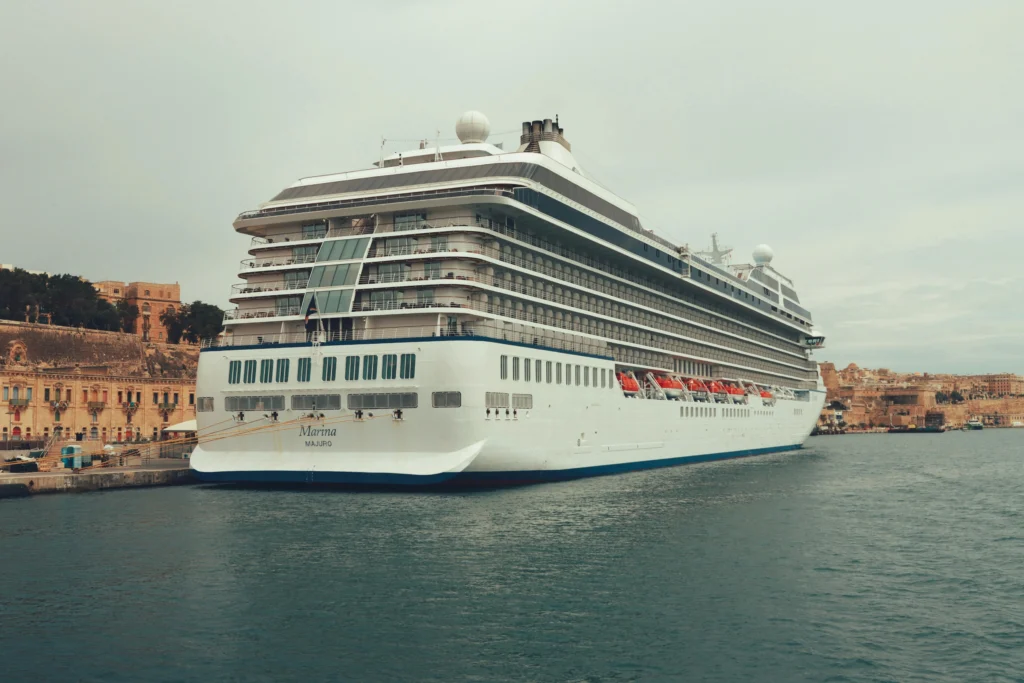
Perhaps the most striking trend within the current international hospitality index is the phenomenal momentum of the cruise sector. Despite broader economic uncertainties and localized profit warnings across the wider corporate landscape, ocean and river cruises have proven to be exceptionally resilient travel formats.
The sustained appeal of cruise vacations lies in their unparalleled value proposition and diverse formatting options. Modern cruise lines successfully cater to widely varied customer segments, offering everything from hyper-luxury boutique river voyages through historic European waterways to mega-ocean liners designed as floating destination resorts.
This strong cruise tailwind has provided a crucial financial counterweight for large travel groups, helping to offset weaker performance or increased operating costs within legacy aviation or standard tour operating segments. The rapid return of cruise passenger volumes demonstrates that holidaymakers continue to prioritize comprehensive, hassle-free travel experiences where transport, entertainment, and hospitality are fully bundled.
Digital Innovation and the Modern Traveler
The ongoing structural evolution of the global travel market is also heavily defined by the rapid rise of advanced digital infrastructure. While traditional physical travel agencies continue to provide invaluable high-touch service for complex or luxury bookings, online distribution channels and mobile applications have become the preferred booking mediums for the modern digital nomad.
To capitalize on this digital shift, forward-thinking tourism enterprises are investing heavily in advanced e-commerce platforms and sophisticated digital loyalty initiatives. Programs designed to reward repeat travelers with dynamic points, exclusive destination perks, and streamlined booking experiences are crucial for securing long-term customer retention. This digital evolution allows travel providers to analyze real-time search and booking trends, empowering them to deliver hyper-personalized promotions that match the immediate desires of the global consumer.
A Global Benchmark for Consumer Confidence
As the international tourism sector navigates the delicate balance between rising operational cost pressures and robust consumer demand, the European travel market remains a vital indicator of global economic health. The ongoing resilience of package holidays, fleet utilization rates, and international cruise bookings suggests that travel has transitioned from a discretionary luxury to a non-negotiable priority for millions of households. Through smart capacity management, innovative product diversification, and a steadfast commitment to the customer experience, the travel groups shaping Europe’s leisure sector are successfully mapping out a sustainable, highly connected path forward for global tourism.
For more travel news like this, keep reading Global Travel Wire