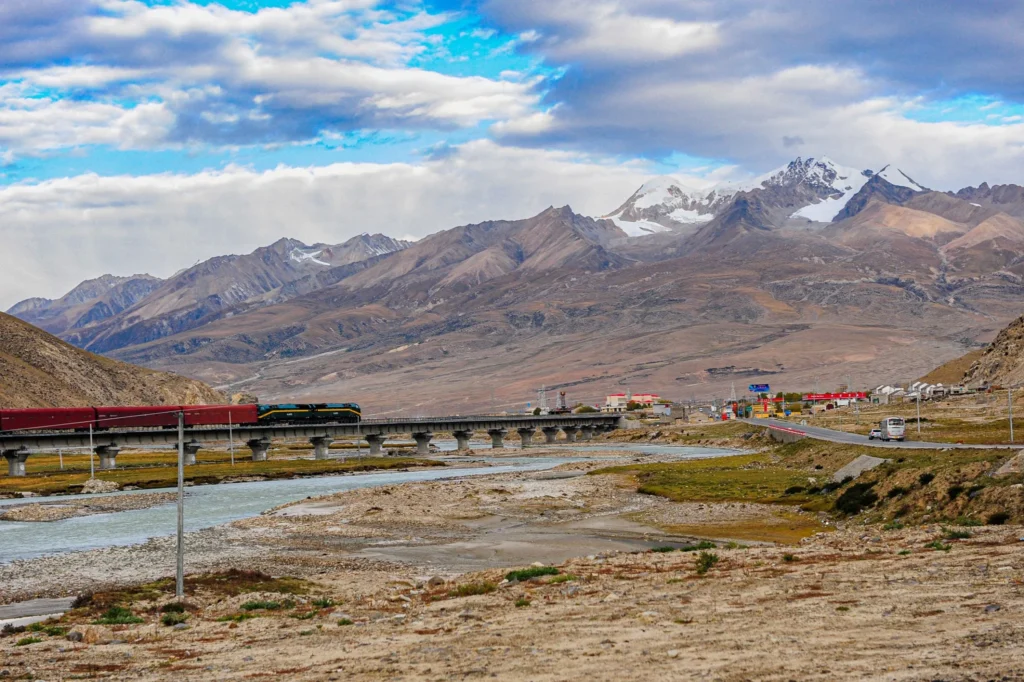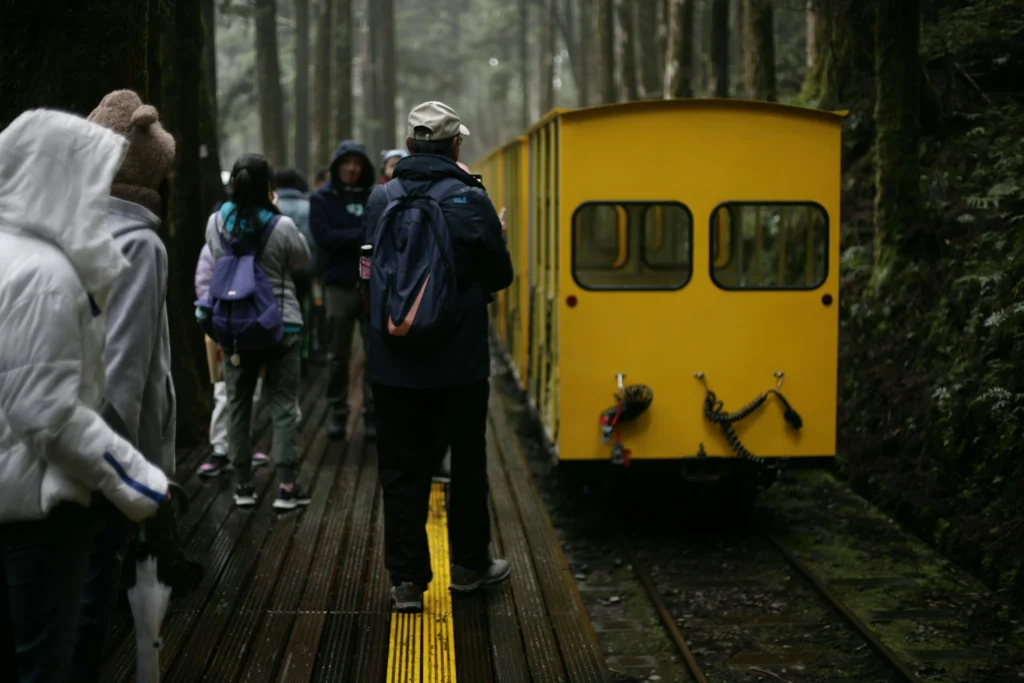
The landscape of international travel is experiencing a profound shift toward heritage preservation and slow travel. At the forefront of this movement is the Alishan Forest Railway, locally known as the Alishan Senlin Tie Lu. Situated in Chiayi, Taiwan, this legendary narrow-gauge line transitions travelers from the subtropical warmth of the lowlands into the mist-shrouded, high-altitude cedar forests of the Alishan mountain range.
According to recent bulletins from Taiwan’s transport and tourism authorities, this iconic railway stands as a monumental landmark for global travelers seeking authenticity over hurried sightseeing. Far more than a standard scenic ride, the railway serves as a living engineering monument that successfully bridges the gap between historical industrial utility and modern, sustainable eco-tourism. For international visitors, the line offers an immersive journey through bamboo groves and ancient forests, advancing a unique pace of travel that encourages deep environmental observation.
From Timber Transport to Cultural Icon: The Preservation of a Living Monument
Official archives from the Alishan National Scenic Area Administration outline the railway’s fascinating evolution. Developed in the early 20th century, the network was initially constructed to transport valuable timber, particularly ancient cypress wood, down the steep slopes to the plains of Chiayi. As logging activities declined in the latter half of the century, the government proactively shifted the railway’s mandate from resource extraction to cultural preservation and environmental protection.
This successful transition mirrors global preservation frameworks celebrated by international heritage organizations. Operating a historic railway in a high-altitude alpine environment presents continuous natural challenges, including typhoons and heavy seasonal rains. Tourism board statistics emphasize that the ongoing survival and meticulous maintenance of the Alishan Senlin Tie Lu reflect a major national commitment to safeguarding industrial heritage. Today, the line stands as a layered cultural symbol, allowing visitors to appreciate the complex interplay of history, local labor, and ecological restoration.
Engineering Marvels: The Art of Negotiating the Alpine Terrain
From an architectural and civil engineering perspective, the Alishan Forest Railway is internationally renowned for its masterful adaptation to extreme topography. To ascend the steep mountain slopes without the luxury of straight-line distance, the tracks employ an intricate system of spiral loops, tight curves, and zig-zag switchbacks. This mechanical ingenuity transforms the daunting mountain grade into a smooth, rhythmic ascent, providing a striking contrast to the flatter, high-speed rail networks found elsewhere on the island.
The visual identity of the route relies on architectural restraint and natural harmony. Weathered wooden stations, compact platforms, and sudden clearings that reveal sweeping mountain vistas define the passenger experience. Tourism officials note that the aesthetic power of the railway lies in its seamless integration with the surrounding environment. As the train navigates the misty highlands, the tactile elements of the journey—the cool mountain air, the damp forest aromas, and the soothing cadence of the train—create an unforgettable atmosphere that cannot be replicated by modern transit.
Strategic Itinerary Planning: Essential Guide for International Visitors
Official tourism board statements highlight Chiayi County as the essential geographic gateway for anyone attempting the journey into the Alishan National Scenic Area. To assist international travelers in optimizing their alpine itineraries, official transport ministries have verified several key logistical guidelines:
Access and Connectivity: International arrivals typically land at major aviation hubs like Taoyuan International Airport. From there, highly efficient domestic rail connections transport visitors to Chiayi City, where the mountain railway begins its upward journey.
Optimal Travel Seasons: Spring and autumn are officially recommended as the most comfortable periods for high-altitude exploration, offering stable weather, clearer vistas, and comfortable mountain temperatures.
Operational Awareness: Due to the sensitive nature of alpine infrastructure, departure schedules and ticketing availability can fluctuate based on seasonal maintenance and localized weather patterns. Travelers are encouraged to verify current departure times and reserve seats in advance through official government booking portals.
Practical Preparation: Temperatures drop significantly as the train gains altitude. Packing versatile layers and carrying local currency for mountain village amenities ensures a seamless transit experience.
Why the Alishan Senlin Tie Lu Anchor’s Chiayi’s Regional Appeal
For many global adventurers, urban centers like Taipei or Kaohsiung dominate initial travel plans. However, official regional tourism initiatives are successfully drawing attention to the unique cultural wealth of central-southern Taiwan. The Alishan Forest Railway serves as the primary anchor for this regional push, encouraging visitors to linger in Chiayi and explore the broader highland landscape.
By connecting historical urban centers with pristine ecological zones, the railway provides a cohesive narrative structure to a traveler’s itinerary. It allows visitors to experience a beautifully preserved chapter of industrial history that remains deeply intertwined with nature. Ultimately, the Alishan Forest Railway delivers more than simple transportation; it preserves a rare, slow-paced style of travel that turns the transit itself into the ultimate destination.
For more travel news like this, keep reading Global Travel Wire