The global landscape for corporate gatherings has experienced a significant shift, cementing Australia’s premier gateway city as a powerhouse for international commerce. Official data released at the IMEX Frankfurt industry forum confirms that Sydney has successfully climbed into the top three positions among all Asia-Pacific meeting destinations. This milestone positioning officially highlights the city as one of the continent’s most competitive hubs for high-yield corporate assemblies, major trade exhibitions, and multinational conventions.
According to statistical performance releases from Business Events Sydney and regional tourism ministries, this achievement is the direct result of a multi-year, coordinated strategy. By pairing aggressive infrastructure development with comprehensive hospitality training programs, the city has successfully differentiated itself within an exceptionally competitive regional market. The city now stands alongside traditional Asian business strongholds, drawing substantial convention volumes from across the Americas, Europe, and the Indo-Pacific basin.
Infrastructure Innovation: Inside the Scaling of Sydney’s Convention Footprint
The foundation of Sydney’s climbing regional competitiveness is its world-class, purpose-built event infrastructure. At the heart of this operational matrix is the International Convention Centre (ICC) Sydney, a landmark architectural precinct located along the active waterfront of Darling Harbour. Official facility blueprints show that the venue provides more than 13,500 square meters of highly flexible, multi-purpose exhibition space. This is supported by advanced open-air networking decks, tiered theatres, and sophisticated banquet halls designed to accommodate thousands of international delegates simultaneously.
In response to the rapid rise of distributed corporate structures, municipal authorities have heavily prioritized next-generation digital technology integration. The city’s primary convention spaces feature fully unified, high-speed fiber-optic networks, broadcast-grade hybrid event studios, and automated simultaneous translation platforms. These high-tech capabilities allow international organizations to effortlessly execute complex, hybrid-format conferences, seamlessly linking thousands of on-site attendees with remote global participants.
Premium Hospitality and Specialized Service Ecosystems
Beyond the physical walls of its primary convention center, Sydney’s commercial appeal relies on an expansive, premium lodging network. The city boasts more than 150 properties featuring dedicated meeting and event facilities, ranging from global five-star luxury brands to highly specialized boutique accommodations. Tourism board statistics show a sustained 12 percent year-over-year growth in international conference attendance over the past two years, a surge that has catalyzed extensive private investment in new hotel developments across the central business district.
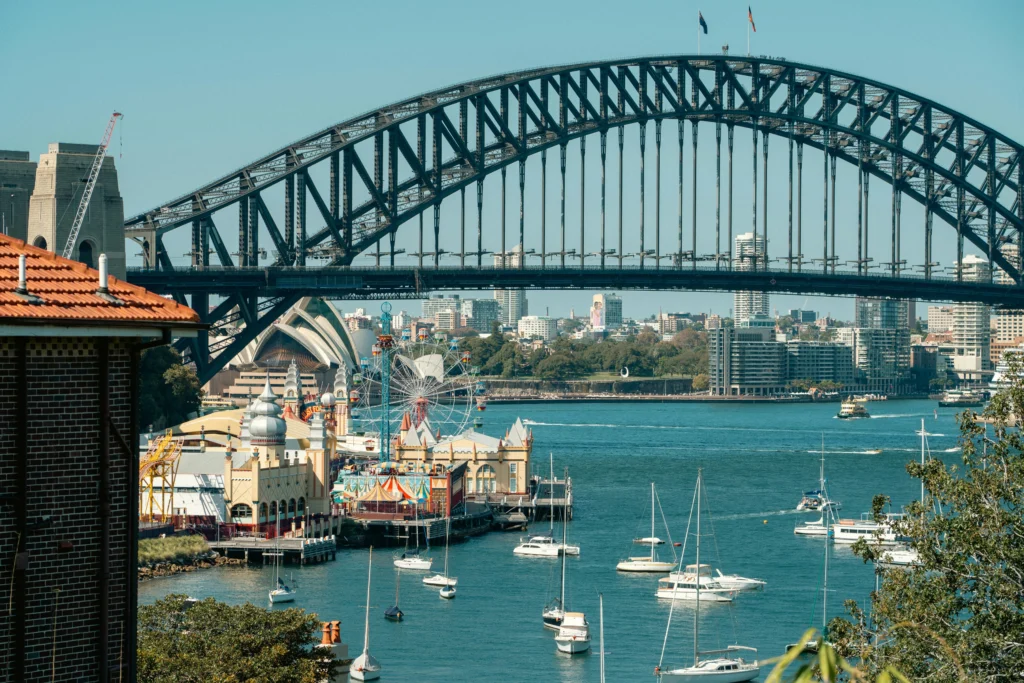
The city’s unique geographical layout also provides substantial lifestyle advantages that enhance the overall delegate experience. Iconic landmark structures, including the Sydney Opera House and the Harbour Bridge, double as dramatic, premium networking backdrops for evening receptions and corporate dinners. This seamless transition from formal daytime presentations to unique, high-end cultural experiences heavily boosts overall attendee satisfaction scores, making Sydney a highly aspirational destination for corporate incentive travel programs.
Strategic Timelines: Optimizing the Corporate Event Calendar
Data compiled by destination management experts indicates that while Sydney’s moderate temperate climate permits successful year-round event hosting, corporate planners overwhelmingly favor specific seasonal windows to maximize attendance. The optimal periods for hosting major business events align with the shoulder seasons of autumn, spanning March to May, and spring, covering September to November.
These specific calendar windows offer moderate, stable temperatures and low rainfall averages, providing ideal conditions for outdoor seaside receptions and collaborative team-building activities. Logistically, scheduling conferences within these periods allows international organizations to capitalize on natural breaks in the global corporate calendar. It also helps avoid the steep accommodation price spikes and heavy venue congestion typical of the peak summer leisure tourism rush.
Global Accessibility: Streamlining Passenger Logistics for International Delegations
A critical factor in reducing friction for international corporate travel is the close proximity and efficiency of Sydney Kingsford Smith Airport. Situated just nine kilometers south of the central business district, the international terminal functions as a primary global gateway, offering direct flight connections to more than 40 major international commerce hubs, including London, New York, Singapore, and Tokyo.
To facilitate seamless arrivals, the city utilizes a highly integrated ground transportation network. High-speed airport rail links connect arriving passengers directly to the downtown corporate precinct in under 15 minutes. This is backed by dedicated taxi lanes, digital ride-sharing zones, and specialized coach logistics arranged by destination management companies. This tight geographical cohesion eliminates the long, stressful transfer times that frequently complicate large-scale event logistics in other global mega-cities, ensuring that delegates arrive refreshed and completely ready for high-level corporate collaboration.
For more travel news like this, keep reading Global Travel Wire