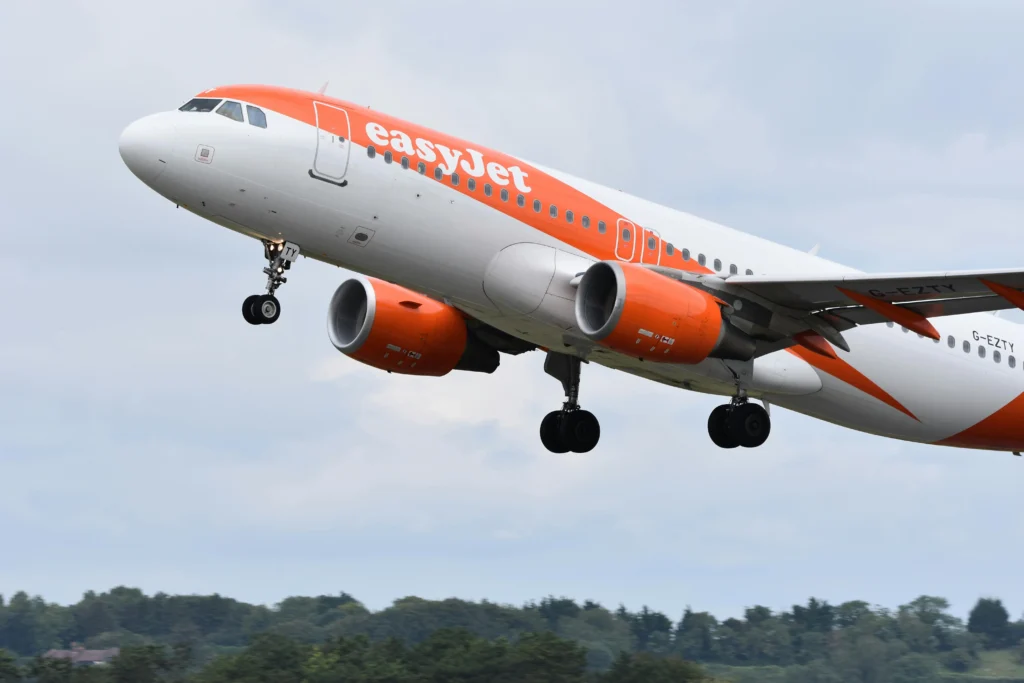
British holidaymakers planning their upcoming getaways can breathe a collective sigh of relief. The UK’s leading low-cost carriers, easyJet and Jet2, have issued official operational updates confirming that their schedules for the busy summer season will proceed entirely as planned. Despite widespread geopolitical concerns surrounding the conflict in the Middle East and its potential impact on the global energy sector, both airlines have firmly rejected any imminent risk of flight cancellations or retrospective price increases.
The positive announcements come at a critical time for the aviation sector, as families across the country finalise their travel arrangements. Industry speculation had initially raised alarms that logistical constraints in key maritime trade corridors, such as the Strait of Hormuz, could limit fuel availability. However, official corporate statements from the UK’s prominent airlines indicate robust supply networks are successfully insulating British passengers from external market pressures.
easyJet Confirms Full Operational Stability and No Surcharges
Addressing the public concerns directly, easyJet Chief Executive Kenton Jarvis stated during a broadcast interview that the airline has experienced zero disruptions within its network. The carrier confirmed that it maintains excellent visibility over its fuel requirements and is working seamlessly alongside infrastructure operators to guarantee smooth service delivery.
According to the chief executive, easyJet maintains consistent, proactive communication with fuel suppliers, national governments, and global airport hubs. None of these entities have flagged any forward-looking risks to fuel access. While energy flows from the Gulf region face heightened scrutiny, international fuel supply channels have successfully diversified production. Increased output from Norway, West Africa, and the Americas, combined with expanded refining capacities outside the Middle East, has effectively offset regional shortfalls.
The airline confirmed its full intention to execute its comprehensive summer flying programme without alterations. Crucially, the airline reiterated its absolute commitment to price transparency. Under its operational guidelines, easyJet will not implement unexpected fuel surcharges on existing customer bookings, ensuring that the fare agreed upon at the time of purchase remains locked in.
Jet2 Reports Strong Supply Chains and Boosted Production
Mirroring this optimistic outlook, Jet2—the UK’s third-largest airline and a major package holiday provider—has reassured travellers that its summer operations are completely secure. The company disclosed that recent structural assessments and dialogues with its dedicated energy partners yielded highly encouraging results.
Jet2’s fuel suppliers have actively increased production rates and successfully secured alternative import streams from regions completely insulated from the Middle East tensions. This diversified sourcing strategy provides the airline with elevated operational confidence ahead of its peak traffic months.
Steve Heapy, Chief Executive of Jet2, emphasized that the company’s infrastructure is fully prepared for an exceptionally busy summer period. He stated that the carrier has categorically removed the risk of post-booking surcharges, asserting that consumers have the right to book their holidays with financial certainty. The strict “Customer First” approach means passengers booking either standalone flights or inclusive packages are completely protected against retrospective fee adjustments due to global commodity volatility.
International Aviation Context and Ticket Price Trends
While domestic carriers remain confident about their individual supply reserves, broader global indicators present a more nuanced picture for the wider travel industry. The International Air Transport Association (IATA) has noted that while immediate, systemic physical fuel shortages are not currently impacting operations on a macro scale, the elevated cost of global crude oil presents an ongoing financial challenge for the global transport sector.
IATA’s Director General Willie Walsh observed that sustained upward pressure on energy markets will inevitably have downstream effects on commercial aviation. According to industry analyses, airlines operating with weaker balance sheets or lower levels of financial hedging against market volatility may find it increasingly difficult to absorb rising operating costs.
As a consequence of these broader macroeconomic factors, the international association indicates that the global aviation industry may see a general upward trend in commercial airfares over time. While individual airlines utilize strategic pricing models to stimulate passenger traffic on specific routes, sustained high oil prices traditionally manifest as higher baseline ticket costs across the global network.
Fortunately for UK consumers, major domestic operators had already secured significant portions of their anticipated fuel needs prior to the recent market volatility. Strategic financial hedging mechanisms implemented by top-tier British airlines mean that a large percentage of their seasonal fuel supply was purchased at pre-crisis rates. This financial buffer allows carriers like easyJet and Jet2 to protect their existing summer schedules and shield consumer pricing from short-term market fluctuations.
With verified statements confirming stable fuel reserves, active supplier diversification, and ironclad price guarantees, the message from the UK’s primary holiday carriers remains clear: summer travel programs are fully operational, and passengers should proceed with their holiday bookings with complete confidence.
For more travel news like this, keep reading Global Travel Wire